


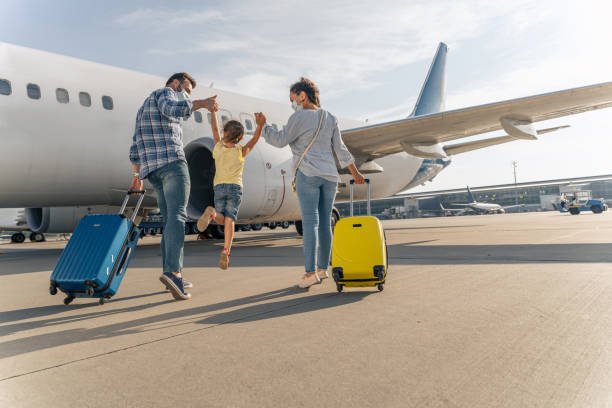
Traveling abroad is an exciting adventure, but if you are not careful, it can drain your wallet faster than a Lagos traffic jam drains your patience. One minute you are enjoying your dream destination, the next minute you are converting $50 to naira and asking yourself, “What exactly did I buy?”
For Nigerian travelers, managing finances while traveling abroad is not optional—it is essential. Between exchange rate fluctuations, international spending limits, and the temptation to “soft life” your way through every experience, it is easy to overspend without realizing it. That is why proper financial planning is the difference between a smooth trip and returning home to financial stress.
In this guide, you will learn how to manage your money wisely while traveling abroad, without missing out on the experience.
Contents
- 1 1. Plan Your Budget: Don’t Be Caught Off Guard
- 2 2. Know the Exchange Rates: Don’t Be Duped
- 3 3. Use the Right Cards: Cashless Convenience
- 4 4. Manage Bank Fees: Every Kobo Counts
- 5 5. Track Your Spending Daily: Stay Accountable
- 6 6. Save on Accommodation: Sleep Well Without Spending Big
- 7 7. Eat Smart: Don’t Let Food Drain Your Budget
- 8 8. Stay Connected Without Overspending on Roaming
- 9 9. Managing Finances While Traveling Abroad: Find Free or Cheap Activities
- 10 10. Stay Disciplined: Avoid Impulse Spending
- 11 11. Have a Backup Plan: Be Financially Prepared
- 12 Frequently Asked Questions (FAQs)
- 13 Final Thoughts
1. Plan Your Budget: Don’t Be Caught Off Guard
The first rule of managing finances abroad is to create a realistic and detailed budget. No matter how much “I’ll manage” you tell yourself, an unplanned trip will quietly drain your account. Budgeting is not about restricting yourself; it is about knowing where your money is going so you stay in control.
Start by breaking your expenses into categories. Accommodation is usually the highest cost, and depending on your destination, you could spend anywhere between $30 per night in a hostel to $150 or more for a decent hotel. If you are traveling to cities like London, Dubai, or New York, expect even higher prices unless you book early.
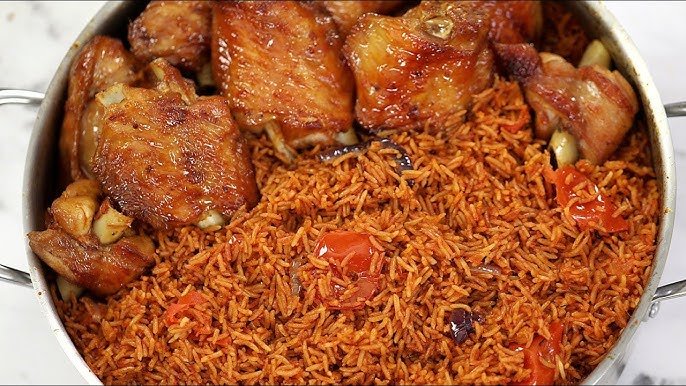
Food and drinks are another major expense. Eating out for every meal might sound fun, but it adds up quickly. A single restaurant meal abroad can cost between $15 and $40, meaning you could spend over $100 daily on food alone. That is why it is smart to plan a balance—eat out occasionally and cook when possible. Also, Nigerian food abroad is not cheap, so if you know you will crave jollof or egusi, include it in your budget.
Transportation should include everything from your flight tickets to local movement. Public transport like buses and trains is usually affordable, often costing $1–$5 per ride, while taxis and ride-hailing services can cost significantly more. Tourist activities such as museum visits, guided tours, and attractions should also be budgeted ahead of time, even though spontaneous plans will always come up.
Most importantly, always include an emergency fund. Unexpected expenses like medical issues, missed flights, or extra accommodation days can happen. Setting aside at least 20–30% of your total budget can save you from serious stress.
Using apps like Mint, Trail Wallet, or Spendee can help you track your expenses in real time and stay accountable throughout your trip.
Recommended: Travel Insurance for Nigerians: A Complete Guide to Coverage, Costs, and Best Providers
2. Know the Exchange Rates: Don’t Be Duped
Understanding exchange rates is non-negotiable for Nigerian travelers. If you ignore it, you might spend money thinking something is “cheap,” only to realize later that you have overspent in naira terms.
Before traveling, check the current exchange rate using tools like XE Currency or Google. This helps you mentally convert prices and make better decisions. For example, spending $20 casually might not seem like much until you realize it is over ₦30,000, depending on the rate.
Avoid exchanging money at the airport unless necessary. Airport exchange booths are convenient but often have the worst rates. Instead, withdraw money from ATMs abroad or use trusted exchange services in the city.
A smart habit is to mentally convert large purchases into naira before paying. It helps you pause and decide if the purchase is truly worth it.
3. Use the Right Cards: Cashless Convenience
Carrying large amounts of cash while traveling is risky and inconvenient. That is why using the right financial tools is essential for managing your money effectively.
Naira debit cards from Nigerian banks can work internationally, but they often come with monthly spending limits, which can be frustrating if you are staying long or spending more. Dollar cards are a better option because they allow you to load foreign currency and avoid constant conversion issues.
If you have access to an international credit card, it can be very useful. Many offer better exchange rates, lower fees, and even travel benefits like insurance or rewards. Prepaid travel cards are also a good option because they help you control spending—you can only spend what you load.
Before traveling, always inform your bank so your card does not get blocked for suspicious activity. Also, carry at least two different cards as backup.
4. Manage Bank Fees: Every Kobo Counts
One mistake many travelers make is ignoring bank charges. These small fees may seem insignificant at first, but they add up quickly over time.
International ATM withdrawals often come with fees ranging from $2 to $10 per transaction. If you withdraw money multiple times, those charges can become significant. That is why it is better to withdraw larger amounts at once instead of making frequent withdrawals.
Some banks also charge currency conversion fees, typically between 1% and 3% of each transaction. Choosing cards with lower or no foreign transaction fees can save you a lot of money.
It is also worth checking if your bank has partnerships with international banks, as this may reduce or eliminate withdrawal fees. Nigerian banks like GTBank and Zenith Bank often have specific international usage policies, so it is important to understand them before your trip.
5. Track Your Spending Daily: Stay Accountable
One of the easiest ways to lose control of your finances abroad is by ignoring small daily expenses. You might think, “It is just $5,” but when repeated multiple times, it becomes a serious amount.
Tracking your spending daily helps you stay aware and make adjustments when needed. Keep receipts, log expenses in apps, or use simple tools like Google Sheets. Apps like Splitwise are also useful, especially if you are traveling with others.
Setting a daily spending limit is another effective strategy. For example, if your daily budget is $100, try to stay within that range. Also, create a small “flex budget” for unexpected experiences so you don’t feel restricted.
Recommended: Budget Travel Tips for Nigerians: Discover the World Without Breaking the Bank
6. Save on Accommodation: Sleep Well Without Spending Big
Accommodation can take up a large portion of your travel budget, but there are ways to reduce costs without sacrificing comfort.
Hostels are a great option for budget travelers and usually cost between $15 and $40 per night. Budget hotels offer more privacy and range from $50 to $100 per night, depending on the location. Airbnb is ideal for longer stays or group travel, as you can split costs.
If you have friends or family abroad, staying with them is an excellent way to save money. Just remember to contribute to household expenses as a sign of respect.
7. Eat Smart: Don’t Let Food Drain Your Budget
Food is one of the most enjoyable parts of traveling, but it can also be one of the most expensive if you are not careful.
Cooking your own meals occasionally can save a lot of money, especially if your accommodation has a kitchen. Shopping at local markets instead of supermarkets is also more affordable.
Street food is another great option. In many countries, you can get delicious meals for as little as $2–$10. Just make sure the vendors are clean and hygienic.
It is also important to control Nigerian food cravings. While it is tempting to look for jollof rice or egusi abroad, these meals are often expensive in foreign countries.
8. Stay Connected Without Overspending on Roaming
Roaming charges can be extremely expensive, so it is better to find cheaper alternatives.
Buying a local SIM card when you arrive is usually the most affordable option. Many SIM cards cost between $5 and $20 and come with data plans. Free Wi-Fi is also widely available in cafes, hotels, and airports.
Apps like WhatsApp and Skype allow you to make calls and send messages over Wi-Fi. You can also download offline maps on Google Maps to save data.
9. Managing Finances While Traveling Abroad: Find Free or Cheap Activities
Traveling does not always have to be expensive. Many cities offer free or low-cost activities that are just as enjoyable as paid ones.
Free walking tours are common in major cities, and you only need to tip the guide. Public parks, cultural landmarks, and some museums are also free or have discounted days.
Websites and apps like TripAdvisor and Groupon can help you find deals on attractions.
10. Stay Disciplined: Avoid Impulse Spending
Impulse spending is one of the biggest threats to your travel budget. Souvenirs, luxury items, and tourist traps can quickly drain your funds.
Focus on meaningful experiences rather than material things. Avoid buying items just because they look attractive at the moment. Also, shop away from major tourist areas where prices are often inflated.
11. Have a Backup Plan: Be Financially Prepared
No matter how well you plan, things can still go wrong. That is why having a backup plan is essential.
Carry an emergency card in case your main card fails. Keep a small amount of cash hidden separately for emergencies. Travel insurance is also highly recommended, as it can cover medical emergencies, lost luggage, and other unexpected situations.
Frequently Asked Questions (FAQs)
How much should a Nigerian traveler budget for a trip abroad?
It depends on the destination and travel style, but a reasonable estimate is between $50 and $150 per day.
Is it better to carry cash or use cards abroad?
It is best to use a combination of both. Cards are safer and more convenient, while cash is useful for small expenses.
Can I use my Nigerian debit card internationally?
Yes, but it depends on your bank and card type. Always confirm international usage and limits before traveling.
What is the cheapest way to exchange money abroad?
Using ATMs or trusted exchange services usually offers better rates than airport exchange booths.
How can I avoid overspending while traveling?
Set a daily budget, track your expenses, avoid impulse purchases, and prioritize essential spending.
Final Thoughts
Managing finances while traveling abroad as a Nigerian does not have to be stressful. With proper planning, smart spending habits, and discipline, you can enjoy your trip without worrying about money.
Travel is about experiences, not financial regret. So plan wisely, spend intentionally, and explore the world with confidence.
Safe travels!

Welcome to my world! 🌟 I’m Clare, the proud founder of lovemeandtour.com website. I’m passionate about connecting people and helping them find love. Join me on this exciting journey and let’s spread love together! 🌟 #LoveMe #Travel #Passionate