






Traveling abroad is an exciting adventure, whether it is for work, education, tourism, or business. For many Nigerians, stepping into a new country can be both thrilling and overwhelming. The cultures, systems, climate, and daily lifestyle can differ greatly from what you are used to at home. Understanding what Nigerians should expect when traveling abroad can help you prepare properly and avoid unnecessary stress.
From cultural differences to immigration procedures, cost of living, and social interactions, every traveler experiences a learning curve when visiting another country. Being aware of these realities allows you to adapt faster and enjoy your journey with confidence.
Contents
- 1 Cultural Differences and Lifestyle Adjustments
- 2 Weather Conditions and Climate Differences
- 3 Immigration and Customs Procedures
- 4 Cost of Living and Financial Planning
- 5 Transportation Systems in Foreign Countries
- 6 Safety and Personal Security
- 7 Healthcare and Travel Insurance2
- 8 Social Interactions and Global Perceptions
- 9 Technology and Staying Connected
- 10 Work and Study Expectations Abroad
- 11 Managing Homesickness While Abroad
- 12 Opportunities for Exploration and Personal Growth
- 13 Frequently Asked Questions
- 13.1 What documents do Nigerians need to travel abroad?
- 13.2 How much money should a Nigerian traveler carry when going abroad?
- 13.3 Is travel insurance necessary for Nigerians traveling abroad?
- 13.4 How can Nigerians avoid culture shock when traveling abroad?
- 13.5 What should Nigerians pack when traveling abroad?
- 14 Conclusion
Cultural Differences and Lifestyle Adjustments
One of the first things Nigerians notice when traveling abroad is the difference in culture and lifestyle. Every country has its own customs, traditions, and ways of doing things, and these differences can sometimes be surprising.
Language can be a major barrier, especially when visiting countries where English is not widely spoken. In such places, communication may require patience and creativity. Learning a few basic phrases in the local language or using translation apps can make everyday interactions easier, especially when asking for directions, ordering food, or shopping.
Social behavior can also vary significantly. In many Western countries, punctuality is taken very seriously. Arriving late to meetings, appointments, or social gatherings may be viewed as disrespectful. This can be quite different from Nigeria, where time is often treated more flexibly. Personal space is another cultural difference. In some countries, people value physical distance during conversations and may feel uncomfortable with close contact.
Food culture can also be an adjustment. While you may miss familiar meals like jollof rice, pounded yam, or egusi soup, traveling abroad allows you to explore new cuisines. Trying local foods is one of the most enjoyable parts of international travel and can help you better appreciate the culture of your destination.
Weather Conditions and Climate Differences
Nigeria has a tropical climate, so many Nigerians are used to warm temperatures throughout the year. However, traveling abroad may expose you to completely different weather conditions.
If you travel during winter in countries like the United States, Canada, or parts of Europe, you may encounter freezing temperatures, snowfall, and icy streets. For someone who has never experienced winter before, this can be both exciting and challenging. Proper clothing, such as thick coats, gloves, scarves, and thermal wear, becomes essential.
On the other hand, some destinations may have extremely hot summers that feel even more intense than Nigeria’s heat. Desert regions in the Middle East, for example, can reach very high temperatures. In such places, staying hydrated, wearing light clothing, and protecting your skin from the sun are important for your comfort and health.
Understanding the climate of your destination before traveling helps you pack appropriately and prepare for seasonal conditions.
Immigration and Customs Procedures
Another important aspect of what Nigerians should expect when traveling abroad is the immigration process. For many first-time travelers, this can be one of the most intimidating parts of the journey.
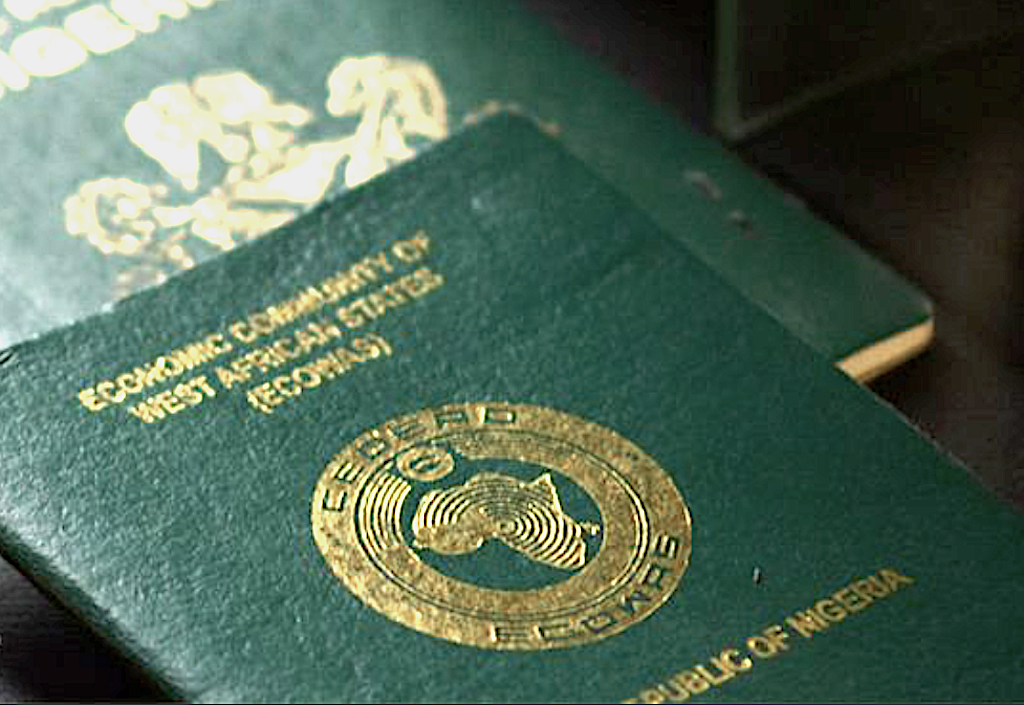
Upon arrival in a foreign country, immigration officers will review your travel documents to confirm your eligibility to enter the country. You should always have your international passport, visa, return ticket, and other necessary documentation ready for inspection. Some countries may also request proof of accommodation, travel insurance, or evidence that you have enough money to support yourself during your stay.
Customs checks may also take place after immigration. Travelers are required to declare certain items they are carrying, and some products, such as food items, plants, and agricultural goods, may be restricted or prohibited. It is important to research the customs regulations of your destination country to avoid complications at the airport.
Cost of Living and Financial Planning
Many Nigerians experience “sticker shock” when they see the cost of goods and services abroad. In several developed countries, everyday expenses such as transportation, meals, and accommodation can be significantly higher than in Nigeria.
Understanding the local currency and exchange rate is essential. You should familiarize yourself with the approximate value of items like public transport tickets, groceries, and restaurant meals so you can manage your spending wisely.
Budgeting becomes very important when traveling internationally. Planning your daily expenses in advance helps you avoid running out of funds during your trip. In some countries, tipping service workers such as waiters, taxi drivers, and hotel staff is customary, which can add additional costs to your budget.
Transportation Systems in Foreign Countries
Transportation systems abroad often differ greatly from what many Nigerians are used to. In many cities around the world, public transportation is highly organized and widely used.
You may encounter extensive networks of trains, buses, trams, and subway systems that connect different parts of the city. Learning how these systems work can help you move around efficiently and save money compared to using taxis.
If you plan to drive abroad, you should learn about the local traffic rules. Some countries drive on the right side of the road, while others drive on the left. You may also need an International Driving Permit in addition to your Nigerian driver’s license.
Understanding transportation options before arriving can make it easier to navigate your destination.
Safety and Personal Security
While many countries are considered safe for travelers, it is always important to remain vigilant. Tourist areas in major cities can sometimes attract pickpockets and petty criminals.
Keeping your valuables secure and avoiding unnecessary displays of wealth can help reduce the risk of theft. Using anti-theft bags, keeping your phone secure, and being aware of your surroundings are simple but effective safety measures.
It is also wise to learn the emergency numbers of the country you are visiting. Knowing how to contact police, medical services, or your country’s embassy can be extremely helpful in case of an emergency.
Healthcare and Travel Insurance2
Healthcare systems abroad may operate very differently from those in Nigeria. In many countries, medical treatment can be extremely expensive for visitors who do not have health coverage.
Travel insurance is therefore highly recommended before traveling abroad. A good travel insurance policy can cover medical emergencies, lost luggage, trip cancellations, and other unexpected situations.
If you rely on prescription medication, it is advisable to bring enough supply for the duration of your trip along with a copy of your prescription. Some medications available in Nigeria may not be easily accessible in other countries.
Social Interactions and Global Perceptions
Nigerians traveling abroad sometimes encounter curiosity or questions about their country. Many people outside Africa may have limited knowledge about Nigeria and may ask questions about the culture, food, music, or lifestyle.
These interactions can be an opportunity to share positive information about Nigeria and promote a better understanding of the country. However, it is also possible to encounter stereotypes or misconceptions. Handling such situations calmly and confidently helps create positive impressions.
Many Nigerians abroad find that their friendliness, sense of humor, and resilience help them connect easily with people from different cultures.
Recommended: Visa Requirements and Application Guide for Nigerians Traveling Abroad
Technology and Staying Connected
Technology plays a major role in helping travelers navigate unfamiliar environments. Smartphones and travel apps can make many aspects of international travel easier.
Purchasing a local SIM card in your destination country can help you access affordable mobile data and make local calls. Alternatively, some travelers prefer to use international roaming services from their Nigerian network providers.
Navigation apps, translation apps, and ride-hailing platforms can be extremely useful. Apps for booking accommodation, finding restaurants, and reading travel reviews also help travelers make informed decisions during their trip.
Read also: Flight Booking Guide for Nigerians: How to Book Cheap Flights and Choose the Best Airlines
Work and Study Expectations Abroad
For Nigerians traveling abroad for work or education, adapting to new systems can take time. Workplace culture in many countries may be more structured, with clear schedules, professional communication standards, and strict deadlines.
In academic environments, students may encounter different teaching styles and assessment methods. Some universities emphasize independent research, group discussions, and critical thinking rather than memorization.
Engaging with local communities, international student groups, or professional networks can help Nigerians adjust more quickly to these environments.
Managing Homesickness While Abroad
Living or traveling far from home can sometimes lead to feelings of homesickness. Missing family, friends, and familiar cultural experiences is a common challenge for many travelers.
Maintaining regular contact with loved ones through phone calls, video chats, and social media can help reduce feelings of loneliness. Many cities around the world also have Nigerian communities where people gather for cultural events and celebrations.
Building friendships with people from different backgrounds can also make your experience abroad more enjoyable and fulfilling.
Opportunities for Exploration and Personal Growth
Despite the challenges, traveling abroad offers incredible opportunities for personal growth and discovery. Visiting new places allows you to explore famous landmarks, museums, parks, and cultural festivals.
Travel also broadens your perspective and helps you understand different ways of life. Many Nigerians who travel abroad return with new ideas, skills, and experiences that enrich their personal and professional lives.
Exploring your destination with curiosity and an open mind can turn your trip into an unforgettable adventure.
Frequently Asked Questions
What documents do Nigerians need to travel abroad?
Nigerians traveling abroad typically need a valid international passport, a visa for the destination country, a return ticket, and sometimes proof of accommodation and financial support. Some countries may also require travel insurance and vaccination records.
How much money should a Nigerian traveler carry when going abroad?
The amount depends on the destination and the length of stay. However, travelers should have enough funds to cover accommodation, food, transportation, and emergency expenses. Some countries may require proof of funds during immigration checks.
Is travel insurance necessary for Nigerians traveling abroad?
Yes, travel insurance is highly recommended. It helps cover medical emergencies, lost luggage, trip cancellations, and other unexpected travel issues that may arise during your journey.
How can Nigerians avoid culture shock when traveling abroad?
Researching the destination before traveling helps reduce culture shock. Learning about the local customs, language, and lifestyle can make it easier to adapt and interact comfortably with people.
What should Nigerians pack when traveling abroad?
Travelers should pack according to the weather and the purpose of their trip. Important items include travel documents, appropriate clothing for the climate, medications, electronic chargers, and personal essentials.
Conclusion
Traveling abroad as a Nigerian can be an exciting and life-changing experience. While adjusting to new cultures, climates, and systems may take time, proper preparation can make the journey smoother and more enjoyable.
Understanding what Nigerians should expect when traveling abroad allows you to prepare mentally, financially, and practically for the adventure ahead. By staying informed, respecting local cultures, and embracing new experiences, you can make the most of every moment and represent Nigeria positively wherever you go.

Welcome to my world! 🌟 I’m Clare, the proud founder of lovemeandtour.com website. I’m passionate about connecting people and helping them find love. Join me on this exciting journey and let’s spread love together! 🌟 #LoveMe #Travel #Passionate