






Planning a business trip to Nigeria involves more than booking flights; it requires preparation, cultural understanding, and practical planning to make your journey productive and enjoyable. Known as the “Giant of Africa,” Nigeria is a vibrant hub of commerce, culture, and innovation. With bustling cities, unique business opportunities, and a rich cultural landscape, being well-prepared can make all the difference in your trip.
Contents
- 1 Understanding Nigeria: Culture, Economy, and Diversity
- 2 Preparing Your Paperwork for a Business Trip
- 3 Packing Essentials for a Business Trip to Nigeria
- 4 Understanding Nigerian Business Culture
- 5 Navigating Nigerian Cities
- 6 Accommodation for Business Travelers
- 7 Experiencing Nigerian Cuisine
- 8 Cultural Etiquette and Customs
- 9 Making the Most of Your Free Time
- 10 Tips for a Successful Business Trip to Nigeria
- 11 Frequently Asked Questions
- 11.1 1. Do I need a visa to travel to Nigeria for business?
- 11.2 2. What vaccinations or health precautions should I take before traveling?
- 11.3 3. What is the best way to get around Nigerian cities during a business trip?
- 11.4 4. How should I dress for business meetings in Nigeria?
- 11.5 5. Are there any cultural etiquette tips I should follow?
- 11.6 Final Thoughts
Understanding Nigeria: Culture, Economy, and Diversity
Nigeria is a country of remarkable diversity, home to over 250 ethnic groups and countless languages. While English serves as the official language, local languages such as Yoruba, Igbo, and Hausa are frequently spoken in daily life. Pidgin English, a widely used informal language, often helps bridge communication gaps. Learning a few local phrases or greetings can enhance your interactions and earn a warm reception from colleagues and locals alike.
Economically, Nigeria is a powerhouse. Its thriving industries range from oil and gas to fintech, agriculture, and entertainment, offering ample business opportunities. However, the pace of business can be intense. Nigerians are known for their sharp negotiating skills and quick decision-making, so a combination of patience, cultural sensitivity, and adaptability is essential for a successful business trip.
Preparing Your Paperwork for a Business Trip
Ensuring your paperwork is in order is crucial. Most visitors require a business visa, and processing times can vary, so it is essential to start early. Typically, you will need a valid passport with at least six months’ validity, an invitation letter from the company or organization you plan to visit, proof of sufficient funds, and a return ticket. Applying through your country’s Nigerian embassy or consulate several weeks in advance allows time for potential delays and ensures you are fully compliant with entry requirements.
Beyond visas, travel insurance is strongly recommended. It provides coverage for medical emergencies, flight disruptions, and lost luggage. Keeping digital copies of all important documents, including hotel bookings and transportation confirmations, ensures quick access in case of emergencies. For longer trips or family travel, having emergency contacts on hand, including the local embassy and business associates, adds another layer of preparedness.
Packing Essentials for a Business Trip to Nigeria
Packing for Nigeria requires balancing business formality with climate considerations. The country’s tropical weather means light and breathable fabrics are ideal for daily wear. For business meetings, formal attire is expected; men should bring suits and dress shoes, while women should pack modest and professional outfits suitable for office or client interactions. A universal adapter for electronics is important, as Nigeria uses Type D and G plugs, with Type C becoming more common. A power bank is essential, especially in areas where electricity can be intermittent, and comfortable shoes are necessary if you plan to navigate city traffic on foot.
Health and safety preparations should not be overlooked. Yellow fever vaccination is mandatory, while vaccines for typhoid, hepatitis A and B, and malaria prophylaxis are highly recommended. Carrying a compact first-aid kit with pain relievers, anti-diarrheal medications, and hand sanitizer can help manage minor health issues while traveling.
Understanding Nigerian Business Culture
Business culture in Nigeria blends professionalism with warmth. While punctuality is valued, some meetings may start later than scheduled, so maintaining patience is key. Greetings usually involve a firm handshake paired with a warm smile, and addressing colleagues with their formal titles demonstrates respect until you are invited to use first names. Small talk is common at the start of meetings and often touches on topics such as football, local cuisine, or general impressions of Nigeria. Negotiations can be lively, and demonstrating respect, politeness, and flexibility will help establish strong business relationships.
Nigeria’s cities are bustling and, at times, chaotic. Lagos is notorious for its traffic, so allocating extra travel time for meetings is essential. Ride-hailing apps such as Uber and Bolt are widely used and provide reliable transportation. Although motorbikes, known as okadas, are a popular option for local commuters, they are not ideal for business travelers in formal attire. Public buses and minibusses are inexpensive but often disorganized, making them less suitable for maintaining a tight schedule.
Accommodation for Business Travelers
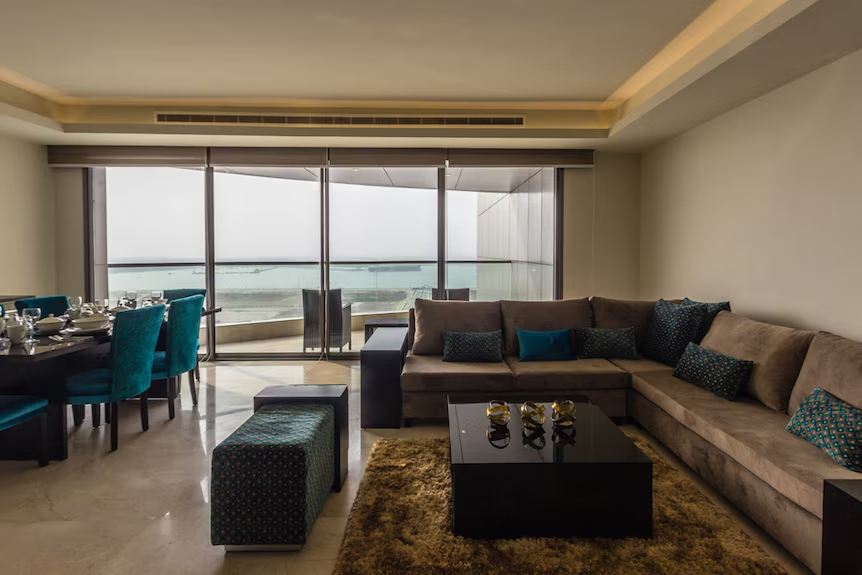
Business travelers in Nigeria have a range of accommodation options, from budget hotels to luxury establishments. Lagos offers several convenient areas for business trips, including Victoria Island, Ikoyi, and Lekki, while Abuja, the capital city, provides a variety of high-end hotels close to government offices and corporate hubs. Selecting accommodation with reliable Wi-Fi, good security, and positive reviews is crucial, especially for those who may need to participate in video conferences or prepare presentations during their stay. For extended stays or larger groups, serviced apartments or Airbnb rentals offer flexibility and often include kitchen facilities.
Experiencing Nigerian Cuisine
Exploring Nigerian cuisine is a cultural experience in itself. Jollof rice, a beloved national dish, is a must-try, often accompanied by grilled meats. Suya, spicy meat skewers, is a popular street food enjoyed across the country. Pepper soup served with corn pudding, or yam provides a taste of local flavors, while traditional soups like egusi or bitter leaf soup offer a rich culinary experience for adventurous eaters. When dining, it is wise to clarify spice levels, especially if you are not accustomed to very hot food.
Cultural Etiquette and Customs
Respect for local customs enhances both business and personal interactions. Using the right hand when giving or receiving items is considered polite, while photographing people or sacred sites without permission can be offensive. Dress codes may vary depending on the region, with conservative attire preferred in certain religious or rural areas. Nigerians are generally hospitable, and invitations to local events or social gatherings may arise during your trip. Participating with an open mind can strengthen relationships and create memorable experiences.
Making the Most of Your Free Time
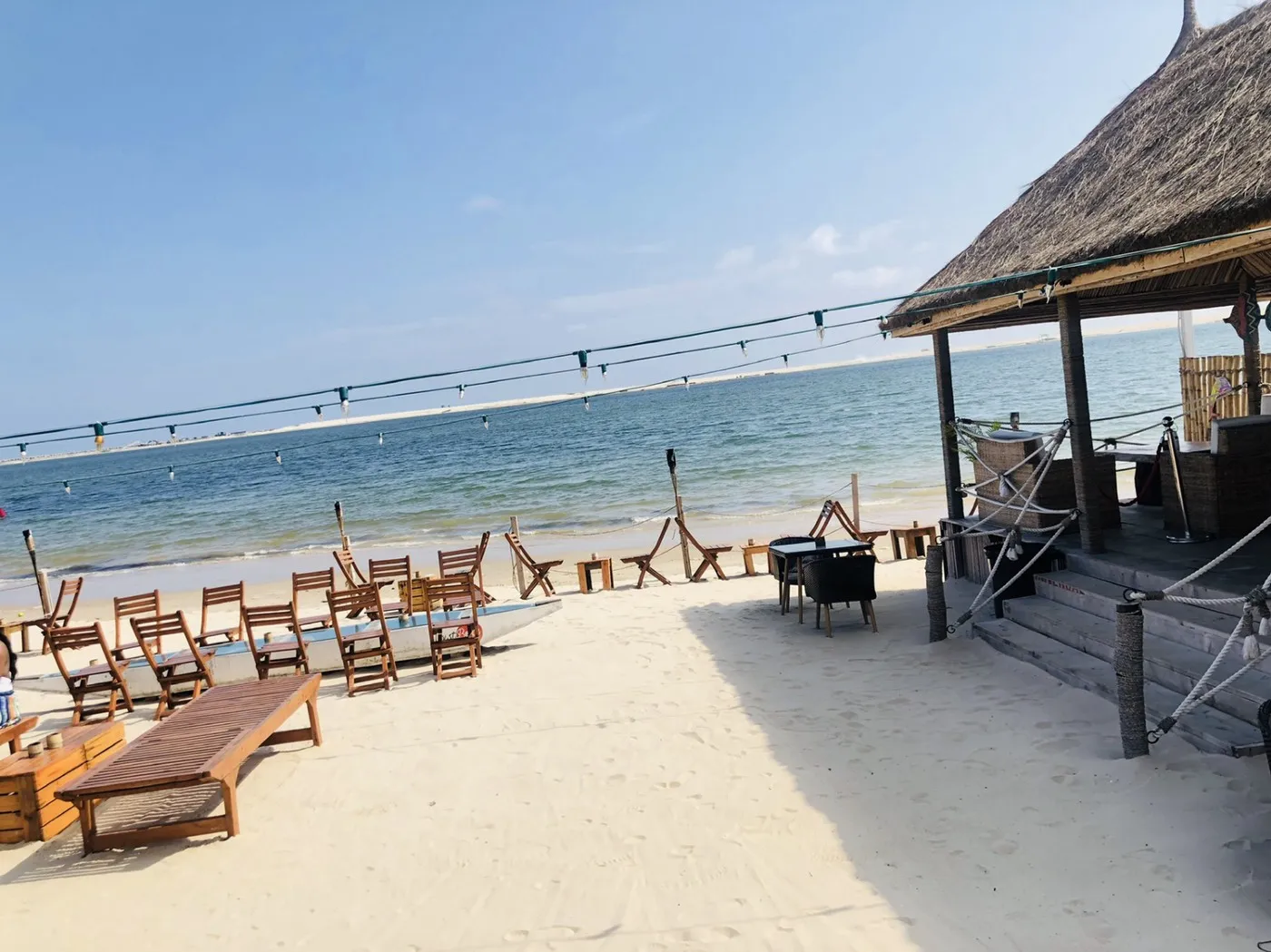
Even during a business trip, exploring Nigeria can be rewarding. In Lagos, sites such as Nike Art Gallery, Lekki Conservation Centre, and Freedom Park offer cultural enrichment. Abuja provides attractions including Aso Rock and Jabi Lake, while Port Harcourt presents local markets and cultural centers. For short trips outside major cities, Obudu Mountain Resort, Yankari Game Reserve, and Calabar offer scenic escapes that combine natural beauty with cultural insight.
Tips for a Successful Business Trip to Nigeria
A smooth business trip requires careful planning and adaptability. Confirm meetings ahead of time, keep digital copies of all documents, and maintain reliable communication with a local SIM card or portable hotspot. Observing local customs and showing cultural awareness strengthens professional relationships. Traffic delays and occasional power outages are common, so maintaining flexibility in your schedule helps prevent stress and ensures productivity.
Frequently Asked Questions
1. Do I need a visa to travel to Nigeria for business?
Yes, most international visitors need a visa to enter Nigeria, including for business purposes. You will typically need a business visa, which requires an invitation letter from the Nigerian company or organization you plan to visit, a valid passport with at least six months’ validity, proof of funds, and a return ticket. It’s best to apply well in advance through your country’s Nigerian embassy or consulate to avoid delays.
2. What vaccinations or health precautions should I take before traveling?
Yellow fever vaccination is mandatory for entry into Nigeria. Additionally, it is recommended to consider vaccines for typhoid, hepatitis A and B, and to take malaria prophylaxis. Carrying a small travel first aid kit with pain relievers, anti-diarrheal medicine, hand sanitizer, and any personal medications is also advised.
3. What is the best way to get around Nigerian cities during a business trip?
For safety and reliability, ride-hailing apps like Uber and Bolt are the preferred option for navigating Nigerian cities. Public buses and minibuses (danfos) are cheap but chaotic, and local motorbikes (okadas) are best avoided during business hours due to safety concerns. Budget extra time for travel, especially in Lagos, as traffic can be heavy.
4. How should I dress for business meetings in Nigeria?
Business attire in Nigeria is generally formal. Men are expected to wear suits and ties, while women should opt for modest and professional outfits. Lightweight and breathable fabrics are recommended due to the country’s warm climate. For evening events or networking dinners, slightly more relaxed but still professional attire is acceptable.
5. Are there any cultural etiquette tips I should follow?
Yes, respecting local customs goes a long way. Always use your right hand when giving or receiving items, ask before taking photos of people or cultural sites, and address colleagues formally until invited to use first names. Nigerians are warm and hospitable, so be open to casual conversation, invitations, and social interactions outside formal business settings.
Final Thoughts
A business trip to Nigeria offers opportunities to combine professional objectives with cultural exploration. Preparation, awareness of local customs, and understanding the fast-paced business environment will ensure a productive and memorable trip. From the energetic streets of Lagos to the serene landscapes near Abuja, Nigeria provides a unique blend of business, culture, and adventure. Approach your trip with preparation and an open mind, and you will leave with both professional gains and unforgettable experiences.

Welcome to my world! 🌟 I’m Clare, the proud founder of lovemeandtour.com website. I’m passionate about connecting people and helping them find love. Join me on this exciting journey and let’s spread love together! 🌟 #LoveMe #Travel #Passionate