







Traveling on a budget does not mean sacrificing comfort or dignity. It means being strategic, informed, and intentional with your spending. For Nigerian travelers, smart planning can turn destinations like Accra, Zanzibar, or Cairo into affordable and achievable adventures.
Below is a practical, structured guide filled with realistic budget travel tips tailored specifically for Nigerians.
Contents
- 1 Budget Travel Tips for Nigerians: Plan Like a Pro
- 2 Hunt Down Affordable Flights
- 3 Embrace Budget Accommodation
- 4 Travel Light and Smart
- 5 Eat Like a Local
- 6 Explore Free and Low-Cost Activities
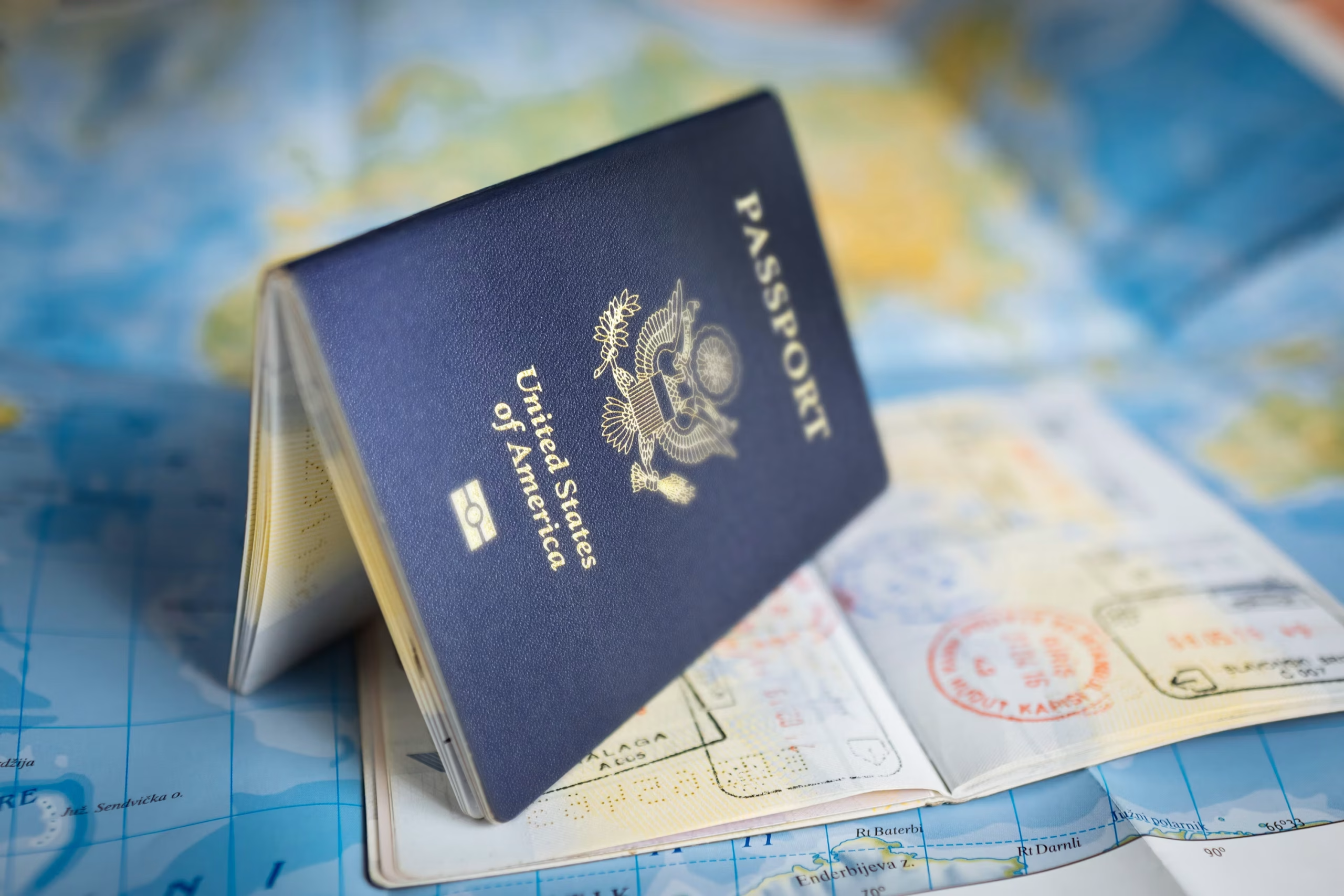
- 7 Get Your Travel Documents Right
- 8 Budget for Hidden Costs
- 9 Blend In and Respect Local Culture
- 10 Stay Connected Without Overspending
- 11 What Else Can You Do While Traveling?
- 12 Explore Visa-Free and Affordable Regions First
- 13 Frequently Asked Questions (FAQs)
- 13.1 1. Can Nigerians travel internationally on a small budget?
- 13.2 2. What is the cheapest region for Nigerians to explore?
- 13.3 3. How can I reduce flight costs from Nigeria?
- 13.4 4. Is it safe to stay in hostels?
- 13.5 5. How much extra money should I budget for emergencies?
- 13.6 6. Do I need travel insurance?
- 13.7 7. Does budget travel mean poor experiences?
- 14 Final Thoughts
Budget Travel Tips for Nigerians: Plan Like a Pro
Budget travel starts long before you get to the airport. Planning is your strongest financial tool.
Choose destinations wisely.
Start with affordable and visa-friendly countries. West African nations such as Ghana, Togo, and Benin offer rich cultural experiences and visa-free access under ECOWAS protocols.
Travel during off-peak seasons.
Flights and hotels are significantly cheaper outside holiday periods. For example, visiting Dubai in the summer can cost much less than during the December peak travel.
Be flexible with dates.
Shifting your departure by one or two days can reduce airfare costs. Mid-week departures are often cheaper than weekend flights.
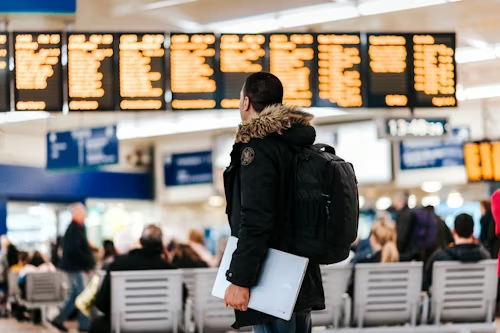
Hunt Down Affordable Flights
Flights are usually the biggest expense in international travel. However, there are ways to reduce the cost.
Use comparison platforms such as:
-
Skyscanner
-
Google Flights
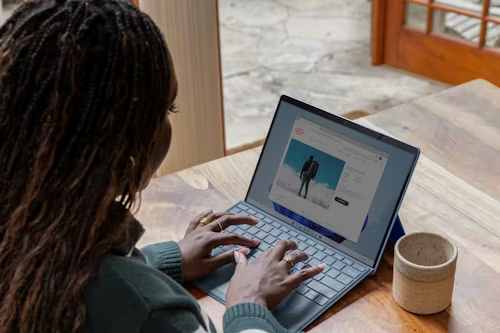
Set price alerts and monitor fares consistently. Booking several weeks in advance often provides better deals.
Additional tips:
-
Compare one-way vs. return tickets.
-
Check nearby departure airports if possible.
-
Avoid peak holiday periods.
Embrace Budget Accommodation
Luxury hotels are not required for meaningful travel experiences. Budget accommodation options include:
-
Hostels
-
Guesthouses
-
Short-term rentals
-
Budget hotels
Platforms such as Airbnb and Booking.com provide various price ranges.
If you are comfortable sharing spaces, hostels significantly reduce accommodation costs and provide networking opportunities with other travelers.
Always review ratings and location safety before booking.
Travel Light and Smart
Packing efficiently saves both money and stress.
-
Avoid checked baggage fees by traveling with a carry-on where possible.
-
Pack versatile clothing that can be mixed and matched.
-
Bring essential medications and travel documents.
Light luggage improves mobility, especially when using public transportation.
Eat Like a Local
Dining at tourist-focused restaurants increases spending quickly. Instead:
-
Visit local markets.
-
Eat at neighborhood restaurants.
-
Ask residents where they dine.
For example, in Accra, local eateries often provide authentic meals at lower prices than hotel restaurants.
Eating locally offers both cultural authenticity and financial savings.
Explore Free and Low-Cost Activities
Not every memorable experience requires a ticket.
Look for:
-
Free walking tours
-
Public beaches
-
Cultural festivals
-
Discount museum days
-
Public parks and markets
Many cities also offer student or youth discounts if applicable.
Sometimes the most memorable travel moments—sunsets, street performances, scenic walks—cost nothing.
Get Your Travel Documents Right
Budget travel can quickly become expensive if documentation is incomplete.
Before departure:
-
Ensure your passport has at least six months’ validity.
-
Confirm visa requirements.
-
Print copies of flight tickets and hotel reservations.
-
Check if your destination offers visa-on-arrival or e-visa options.
Proper documentation prevents costly last-minute complications.
Budget for Hidden Costs
Many travelers underestimate additional expenses such as:
-
Airport transfers
-
Local transport
-
SIM cards
-
Tourist taxes
-
Currency exchange fees
Always include a contingency fund for emergencies.
Blend In and Respect Local Culture
Responsible travel reduces unnecessary attention and helps avoid complications.
-
Dress appropriately for the destination.
-
Learn basic local phrases.
-
Respect cultural norms and laws.
-
Avoid displaying large amounts of cash.
Blending in also enhances your overall experience.
Stay Connected Without Overspending
Instead of relying on expensive roaming:
-
Purchase a local SIM card.
-
Use airport Wi-Fi to arrange transportation.
-
Download offline maps before arrival.
Connectivity improves safety and convenience.
What Else Can You Do While Traveling?
Budget travel does not mean limited experiences.
You can:
-
Take affordable cooking classes.
-
Learn local dance styles.
-
Visit community markets.
-
Explore historical neighborhoods.
-
Network with other travelers.
Experiences often matter more than luxury amenities.
Explore Visa-Free and Affordable Regions First
If you are building travel history, begin with accessible destinations. Countries within ECOWAS offer easier entry and lower transportation costs.
Additionally, some African and Asian countries provide simplified visa processes, making them ideal for Nigerian travelers seeking affordable international exposure.
Frequently Asked Questions (FAQs)
1. Can Nigerians travel internationally on a small budget?
Yes. Strategic planning, choosing visa-friendly destinations, and booking early make international travel affordable.
2. What is the cheapest region for Nigerians to explore?
West Africa is typically the most affordable due to visa-free access and shorter flight distances.
3. How can I reduce flight costs from Nigeria?
Use comparison platforms like Skyscanner and Google Flights, travel off-peak, and set price alerts.
4. Is it safe to stay in hostels?
Yes, provided you choose highly rated hostels in safe areas and review recent feedback before booking.
5. How much extra money should I budget for emergencies?
It is advisable to set aside at least 10–20% of your total travel budget for unexpected expenses.
6. Do I need travel insurance?
Travel insurance is strongly recommended, especially for international trips, as medical emergencies abroad can be expensive.
7. Does budget travel mean poor experiences?
No. Budget travel focuses on value rather than luxury. Many authentic and meaningful travel experiences cost very little.
Final Thoughts
Traveling on a budget is about financial discipline, research, and flexibility. Nigerian travelers can explore regional and international destinations without excessive spending by making informed decisions.
You do not need luxury hotels or expensive tours to see the world. With smart budgeting, proper documentation, and creative planning, you can explore confidently and responsibly.
Start small if necessary. Build travel history. Save consistently. And approach every trip with preparation.
The world is accessible — one well-planned naira at a time.

Welcome to my world! 🌟 I’m Clare, the proud founder of lovemeandtour.com website. I’m passionate about connecting people and helping them find love. Join me on this exciting journey and let’s spread love together! 🌟 #LoveMe #Travel #Passionate