




Traveling abroad can be an exciting opportunity for education, work, tourism, or visiting loved ones. For many Nigerians, international travel represents not only adventure but also opportunities for career growth, cultural exchange, and personal development. However, before leaving the country, one important step must be completed: obtaining the appropriate visa.
Many first-time travelers find the visa process confusing because each country has different requirements and application procedures. Documents, interviews, processing timelines, and financial requirements can vary widely depending on the destination and purpose of travel. Fortunately, understanding the process ahead of time can make everything much easier.
This guide explains visa requirements for Nigerians, the common types of visas available, how to apply, and practical tips that can improve your chances of approval.
Contents
- 1 What Is a Visa and Why Do You Need One?
- 2 Types of Visas Nigerians Commonly Apply For
- 3 General Visa Requirements for Nigerians
- 4 Step-by-Step Visa Application Process
- 5 Visa Processing Time and Planning Your Application
- 6 Common Challenges Nigerians Face When Applying for Visas
- 7 Visa-Free and Visa-on-Arrival Destinations for Nigerians
- 8 Tips to Improve Your Visa Approval Chances
- 9 Preparing for International Travel After Visa Approval
- 10 Frequently Asked Questions (FAQs)
- 10.1 How long does it take to process a visa from Nigeria?
- 10.2 Can Nigerians apply for visas online?
- 10.3 Why do visa applications get rejected?
- 10.4 Is travel insurance necessary for visa applications?
- 10.5 Can I reapply after a visa rejection?
- 10.6 Which countries are easiest for Nigerians to travel to?
- 11 Conclusion
What Is a Visa and Why Do You Need One?
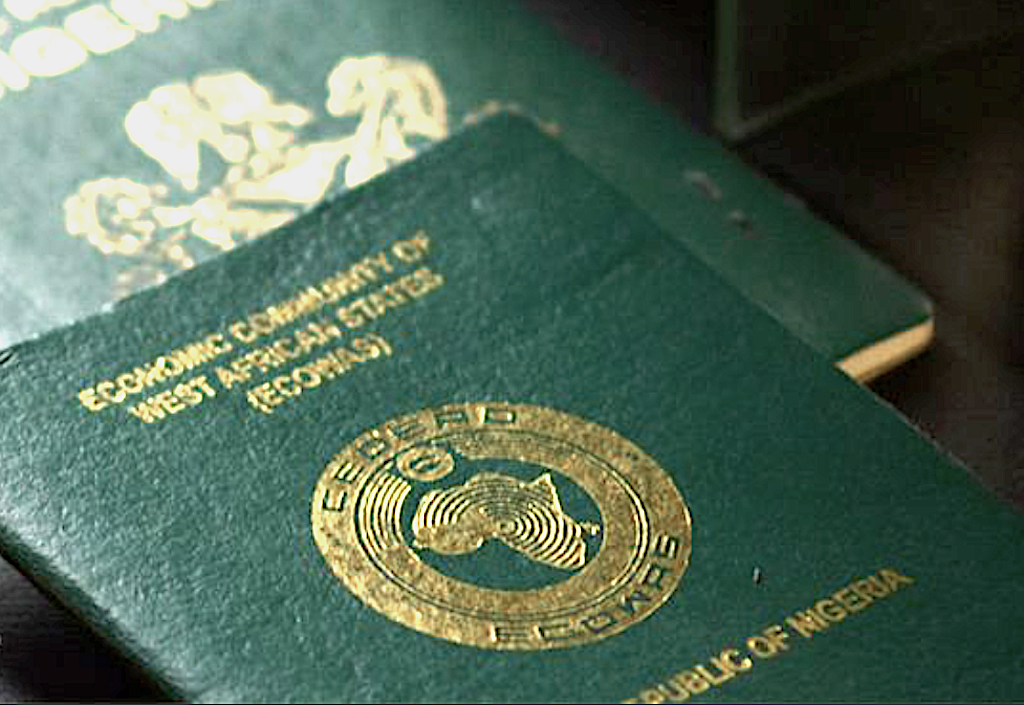
A visa is an official authorization granted by a foreign government that allows a traveler to enter and stay in that country for a specific period and purpose. In most cases, the visa is issued as a stamp or sticker placed inside an international passport. Some countries now issue electronic visas that are linked digitally to a traveler’s passport.
Governments require visas to manage immigration and ensure that visitors meet certain conditions before entering their country. These conditions may include financial stability, a clear travel purpose, and evidence that the traveler intends to return to their home country after the visit.
Without a valid visa, travelers may be denied entry at immigration checkpoints or prevented from boarding their flight entirely. For this reason, understanding visa rules and applying early is essential for Nigerians planning international travel.
Types of Visas Nigerians Commonly Apply For
Different types of visas exist depending on the reason for traveling. Nigerian travelers most often apply for tourist, student, work, business, or family visas.
A tourist visa is designed for people traveling for leisure, sightseeing, or visiting friends and relatives abroad. These visas are usually short-term and allow travelers to stay for a limited number of days or months, depending on the country.
Student visas are issued to individuals who have been accepted into foreign educational institutions. This visa allows students to stay in the country for the duration of their academic program. Many student visas also allow part-time work under certain conditions.
Work visas are granted to individuals who have secured employment with a company in another country. In many cases, the employer plays a role in sponsoring or supporting the visa application.
Business visas are intended for people traveling to attend conferences, meetings, or other professional engagements. Unlike work visas, business visas usually do not allow long-term employment in the destination country.
Family or spousal visas allow individuals to join relatives who are already living abroad, while transit visas are issued to travelers passing through a country on their way to another destination.
Each visa type has unique documentation requirements, which makes it important to review embassy guidelines carefully before applying.
General Visa Requirements for Nigerians
Although visa policies differ across countries, most embassies require applicants to provide similar types of documentation. One of the most important documents is a valid international passport with at least six months of validity remaining beyond the intended travel date.
Applicants must also complete the official visa application form for their destination country. This form collects personal information, travel details, and the purpose of the visit. Providing accurate information is critical because inconsistencies may lead to rejection.
Financial documentation is another important requirement. Embassies often request bank statements covering several months to confirm that the traveler can support themselves during the trip. Travel plans such as flight reservations and accommodation bookings may also be requested as proof of itinerary.
Some applications require invitation letters from hosts, employers, or educational institutions. In addition, applicants may need to show evidence of ties to Nigeria. These ties can include employment letters, business ownership documents, property records, or family responsibilities that indicate the traveler will return after the visit.
Visa application fees are also required and vary depending on the country and visa category.
Step-by-Step Visa Application Process
The visa application process begins with research. Applicants should visit the official website of the embassy or consulate representing the country they wish to visit. These websites provide detailed instructions, application forms, and lists of required documents.
After reviewing the requirements, applicants must complete the visa application form. Many countries now allow online applications, which makes the process faster and more organized. Careful attention should be given to filling out the form accurately.
Once the application form is submitted, applicants often need to schedule an appointment at a visa application center or embassy. During this appointment, biometric data such as fingerprints and photographs may be collected. Some applicants may also attend a visa interview where they are asked about their travel plans and financial situation.
Following the appointment, the embassy reviews the application and supporting documents. Processing times vary depending on the country and visa type. Some visas are issued within days, while others may take several weeks.
Visa Processing Time and Planning Your Application
One common mistake travelers make is applying for a visa too late. Processing timelines differ widely depending on the destination country, the time of year, and the number of applications being reviewed by the embassy.
Student and work visas typically require more time because they involve additional verification steps. Tourist visas may be processed faster, but delays can still occur during busy travel seasons.
Applying several weeks or even months in advance is usually the safest approach. Early preparation gives applicants enough time to gather documents, attend interviews, and respond to additional requests from the embassy if necessary.
Common Challenges Nigerians Face When Applying for Visas
Many Nigerian travelers encounter difficulties during the visa process, often because of incomplete preparation or a misunderstanding of requirements. One frequent challenge involves proof of funds. Embassies usually prefer bank statements that show consistent financial activity over several months. Sudden large deposits made shortly before the application can raise concerns about the authenticity of the funds.
Another common issue is incomplete documentation. Missing paperwork, incorrect information, or unverified documents can result in immediate rejection. Carefully reviewing all requirements before submission can help avoid this problem.
Long waiting periods also frustrate many applicants. Embassies often receive large volumes of applications, especially during peak travel seasons. Planning can reduce the stress associated with processing delays.
Visa application fees may also be expensive, depending on the destination country. Applicants should include these costs in their overall travel budget.
Visa-Free and Visa-on-Arrival Destinations for Nigerians
While many countries require visas, some destinations offer easier entry for Nigerian passport holders. Visa-free travel allows Nigerians to enter certain countries without applying for a visa in advance, while visa-on-arrival permits travelers to obtain entry permission at the airport after landing.
Several African and Caribbean countries provide relatively simple entry options for Nigerian travelers. These destinations can be good choices for first-time international travelers who want to gain travel experience without complicated visa procedures.
Because immigration policies change regularly, travelers should always confirm entry requirements through official government sources before planning a trip.
Tips to Improve Your Visa Approval Chances
Preparing a strong visa application involves more than simply submitting documents. Travelers should ensure that all information provided in their forms matches the details in their supporting documents. Consistency helps immigration officers verify the credibility of the application.
Maintaining a clear financial record is also important. Regular income deposits and stable bank balances help demonstrate financial reliability. Applicants should also prepare to clearly explain the purpose of their trip during visa interviews.
Submitting applications well in advance, organizing documentation properly, and remaining honest throughout the process can significantly increase the likelihood of visa approval.
Preparing for International Travel After Visa Approval
Receiving a visa is only one part of the travel preparation process. Travelers should also confirm their flight bookings, accommodation arrangements, and travel insurance coverage before departure.
It is also advisable to make photocopies or digital copies of important travel documents such as passports, visas, insurance certificates, and identification cards. Keeping backup copies can help in case documents are lost during the trip.
Understanding the laws, culture, and customs of the destination country can also make the travel experience smoother and more enjoyable.
Frequently Asked Questions (FAQs)
How long does it take to process a visa from Nigeria?
Visa processing times vary depending on the destination country and the type of visa being requested. Tourist visas may take a few days or weeks, while student and work visas may take longer due to additional verification requirements.
Can Nigerians apply for visas online?
Many countries now offer online visa application systems. However, applicants may still need to visit a visa application center for biometric data collection or interviews.
Why do visa applications get rejected?
Common reasons include insufficient financial evidence, incomplete documentation, unclear travel purpose, or lack of proof that the applicant will return to Nigeria after the visit.
Is travel insurance necessary for visa applications?
Some countries require travel insurance as part of the visa application process, especially in regions such as Europe. The insurance must usually cover medical emergencies during the trip.
Can I reapply after a visa rejection?
Yes, applicants can reapply after a visa rejection. However, it is important to address the reasons for the previous refusal before submitting a new application.
Which countries are easiest for Nigerians to travel to?
Many African and Caribbean countries offer visa-free entry or visa-on-arrival options for Nigerian travelers. These destinations typically have simpler entry procedures compared to countries in Europe or North America.
Conclusion
Applying for a visa as a Nigerian may seem complicated at first, but proper preparation can make the process much easier. Understanding the requirements, organizing documents carefully, and applying early are important steps toward a successful application.
International travel offers valuable opportunities for education, business, tourism, and cultural exchange. With accurate information and careful planning, Nigerian travelers can confidently navigate the visa process and explore opportunities beyond their borders.

Welcome to my world! 🌟 I’m Clare, the proud founder of lovemeandtour.com website. I’m passionate about connecting people and helping them find love. Join me on this exciting journey and let’s spread love together! 🌟 #LoveMe #Travel #Passionate