





Traveling abroad as a Nigerian can be an exciting and rewarding experience. It offers the opportunity to explore new cultures, meet people from different backgrounds, and discover destinations that may have previously seemed distant or unfamiliar. Whether the journey is for tourism, education, business, or visiting family members, international travel can open doors to new opportunities and valuable experiences.
However, traveling to another country also comes with responsibilities. Being in an unfamiliar environment means dealing with different laws, social expectations, and security concerns. For Nigerian travelers, especially, proper planning and awareness are essential to ensure safety and avoid unnecessary complications.
With the right preparation and a cautious mindset, you can travel confidently and enjoy your time abroad. Understanding potential risks and learning how to respond to them will help make your trip smoother and more enjoyable.
Contents
- 1 Preparing for International Travel
- 2 Packing Smart for Safety
- 3 Staying Alert After Arrival
- 4 Transportation Safety Abroad
- 5 Communication and Staying Connected
- 6 Accommodation Safety
- 7 Health and Food Safety While Traveling
- 8 Protecting Your Finances Abroad
- 9 Avoiding Common Tourist Scams
- 10 Respecting Local Laws and Cultural Norms
- 11 What to Do in an Emergency
- 12 Frequently Asked Questions on Safety Tips for Traveling Abroad as a Nigerian
- 13 Conclusion
Preparing for International Travel
Safety preparations should begin well before your departure date. One of the most important steps is researching your destination carefully. Every country has unique laws, cultural expectations, and safety conditions. Understanding these differences will help you avoid behaviors that may be considered inappropriate or illegal.
Travel advisories issued by official government agencies and tourism boards can also provide useful information about security concerns, transportation systems, and safe neighborhoods. These advisories are particularly helpful for first-time travelers.
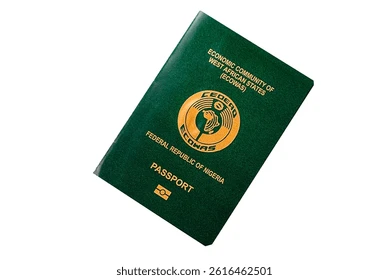
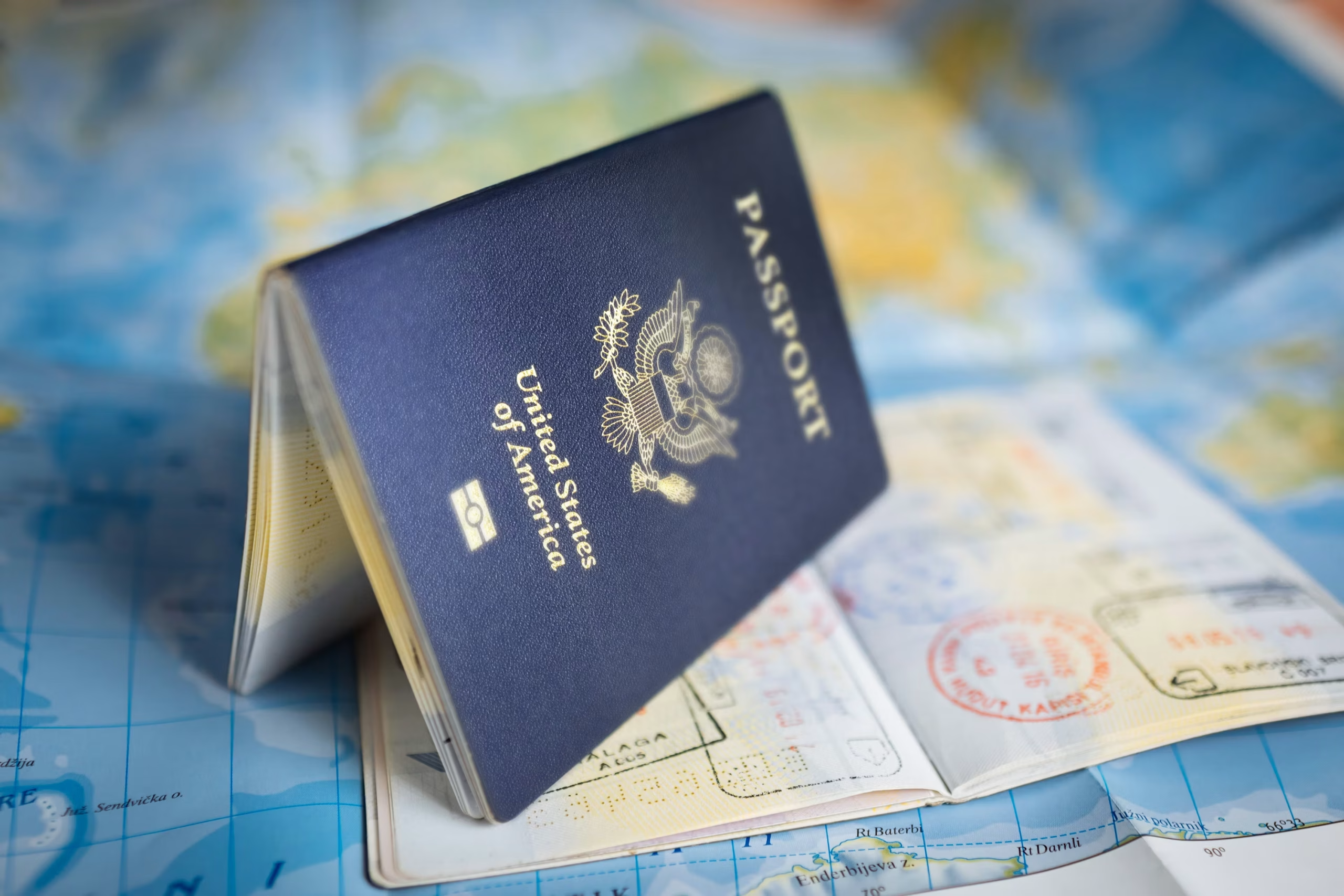
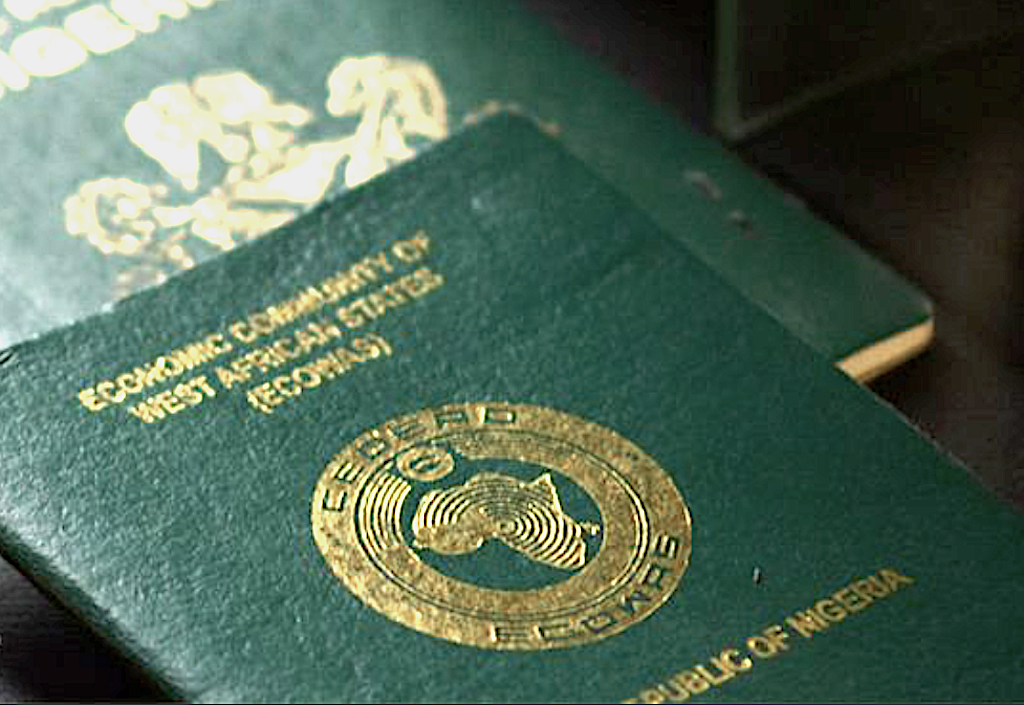
Ensuring that your travel documents are complete is another essential step. Your international passport should be valid for at least six months beyond your intended travel date. If a visa is required, make sure you obtain it early enough to avoid delays.
It is also advisable to make digital and physical copies of your important documents, including your passport, visa, travel insurance, and flight tickets. Keeping these copies separate from the originals can help you recover quickly if anything is lost.
Travel insurance should also be part of your preparations. A comprehensive insurance plan can provide coverage for medical emergencies, lost baggage, theft, and trip cancellations. Although some travelers overlook this step, it can prevent significant financial stress in unexpected situations.
Packing Smart for Safety
Packing properly is another important safety measure when traveling abroad. Travelers should avoid carrying unnecessary valuables that may attract attention. Instead, focus on essential items and keep them organized.
It is wise to carry important items such as your passport, identification documents, medications, and travel money in a secure bag that stays close to you. Anti-theft backpacks or money belts can provide additional protection against pickpocketing.
Clothing choices should also be considered when packing. Researching the cultural expectations of your destination will help you select appropriate outfits. In some countries, modest clothing may be expected in public places or religious sites.
Bringing a small travel safety kit can also be useful. Items such as portable phone chargers, flashlights, emergency contacts, and basic first aid supplies can make a difference if unexpected situations arise.
Staying Alert After Arrival
When you arrive at your destination, take time to familiarize yourself with your surroundings. Understanding the layout of your accommodation and nearby areas can help you move around confidently.
Learning the location of emergency exits in hotels, identifying nearby hospitals or pharmacies, and understanding public transportation routes can all improve your sense of security. Travelers should also keep the contact details of the Nigerian embassy or consulate in the country they are visiting.
Being aware of your environment is essential when traveling abroad. Avoid displaying expensive gadgets, jewelry, or large amounts of cash in public places. Tourists sometimes become targets for theft because they appear unfamiliar with their surroundings.
Currency exchange should only be done through authorized banks or licensed exchange centers. This helps prevent fraud and ensures you receive legitimate currency.
Transportation Safety Abroad
Transportation systems vary widely across countries, and travelers should take time to understand how they work before moving around unfamiliar cities.
Using reliable and licensed transportation services is usually the safest choice. Ride-hailing platforms, official taxis, and regulated public transport systems are generally more secure than unverified alternatives.
When using taxis, confirm that the driver is properly registered and that the vehicle displays official identification. If you are using ride-hailing apps, verify the driver’s name, photo, and vehicle details before entering the car.
For travelers planning to rent a vehicle, understanding local traffic laws is essential. Some countries drive on the opposite side of the road compared to Nigeria, and unfamiliar road signs may require careful attention.
Walking through busy areas during the day is usually safe, but travelers should avoid poorly lit streets or isolated locations at night.
Communication and Staying Connected
Maintaining reliable communication while abroad is another important safety strategy. Purchasing a local SIM card or enabling international roaming on your phone can make it easier to stay connected.
Having internet access allows travelers to use navigation apps, contact emergency services, and communicate with friends or family members back home. It also makes it easier to access important information such as maps, translation tools, and travel updates.
Sharing your itinerary with a trusted person at home can provide additional safety. If someone knows your travel plans and accommodation details, they can check on you if communication becomes difficult.
Accommodation Safety
Choosing safe accommodation is an important part of travel planning. Travelers should book hotels, hostels, or rental apartments through reputable platforms with verified reviews.
Reading feedback from previous guests can provide valuable insight into the safety, cleanliness, and reliability of the accommodation. Locations in well-populated neighborhoods are often safer than isolated areas.
Once you check in, it is advisable to keep your room locked when leaving and to use hotel safes when available. Valuables such as passports, extra cash, and important electronics should not be left unattended.
Knowing how to contact hotel staff or security services can also be helpful in case assistance is needed.
Health and Food Safety While Traveling
Maintaining good health is an essential part of safe travel. Different countries may have different food preparation methods, water quality standards, and environmental conditions.
Travelers should drink bottled water if the safety of tap water is uncertain. Choosing restaurants that appear clean and well-maintained can reduce the risk of foodborne illness.
Individuals taking prescription medications should bring enough supplies for the duration of their trip. Keeping medications in their original packaging can help avoid confusion at airport security checkpoints.
Travelers may also benefit from carrying a small first aid kit that includes items such as pain relievers, antiseptic wipes, and adhesive bandages.
Protecting Your Finances Abroad
Managing money wisely while traveling is another important safety consideration. Carrying multiple payment options, including cash, debit cards, and credit cards, can provide flexibility in case one payment method fails.
Using ATMs located inside banks or shopping centers is generally safer than using machines in isolated areas. Travelers should also inform their banks before traveling internationally to prevent their cards from being blocked due to unusual transactions.
Public Wi-Fi networks should be used cautiously, particularly for financial transactions. Accessing banking apps or entering sensitive information on unsecured networks may expose personal data to cyber risks.
Avoiding Common Tourist Scams
Tourists are sometimes targeted by scammers in popular travel destinations. These scams may involve fake tour guides, misleading taxi fares, or offers of unusually cheap products and services.
Remaining cautious and verifying information before accepting assistance from strangers can help prevent these situations. Travelers should rely on official tourism offices, reputable travel agencies, and verified transportation providers.
If an offer seems unusually attractive or urgent, it is often wise to pause and confirm its authenticity before making any decisions.
Respecting Local Laws and Cultural Norms
Understanding and respecting local customs can significantly improve your safety and travel experience. Cultural expectations differ across countries, and behaviors that are acceptable in Nigeria may not be appropriate elsewhere.
For example, certain countries have strict regulations about dress codes, public conduct, or photography near government buildings and religious sites. Ignoring these rules may lead to fines or legal complications.
Taking time to learn basic cultural etiquette can help travelers avoid misunderstandings and build positive relationships with locals.
What to Do in an Emergency
Despite careful planning, emergencies can occur during travel. Knowing how to respond calmly can make a significant difference.
If your passport is lost or stolen, contacting the nearest Nigerian embassy or consulate should be your first step. Embassy officials can assist with emergency travel documents and guide what to do next.
For medical emergencies or personal safety concerns, travelers should contact local emergency services immediately. Learning the emergency numbers used in your destination country before arriving can help you respond quickly when necessary.
Frequently Asked Questions on Safety Tips for Traveling Abroad as a Nigerian
Is it safe for Nigerians to travel abroad?
Yes. Many Nigerians travel internationally every year without problems. Proper preparation, awareness of local laws, and personal safety precautions help ensure a safe experience.
What documents should Nigerians carry while traveling?
Travelers should carry their international passport, visa (if required), travel insurance documents, accommodation details, and flight tickets. Keeping digital copies of these documents is also recommended.
How can Nigerian travelers protect their belongings abroad?
Using secure bags, avoiding displaying valuables in public, and staying aware of surroundings can help prevent theft.
Should Nigerian travelers buy travel insurance?
Yes. Travel insurance provides protection against medical emergencies, lost luggage, theft, and unexpected trip cancellations.
What should I do if I lose my passport abroad?
Immediately contact the nearest Nigerian embassy or consulate. They can help issue emergency travel documents and guide you through the next steps.
Conclusion
Traveling abroad as a Nigerian offers incredible opportunities to learn, explore, and experience new cultures. While international travel may present unfamiliar situations, proper preparation and awareness can greatly reduce risks.
By researching your destination, protecting your belongings, respecting local customs, and staying alert throughout your journey, you can travel confidently and safely. Careful planning not only protects you but also allows you to fully enjoy the experiences and memories that international travel provides.
A well-prepared traveler is a safer traveler. With the right precautions in place, your journey abroad can become a rewarding adventure filled with positive experiences.

Welcome to my world! 🌟 I’m Clare, the proud founder of lovemeandtour.com website. I’m passionate about connecting people and helping them find love. Join me on this exciting journey and let’s spread love together! 🌟 #LoveMe #Travel #Passionate