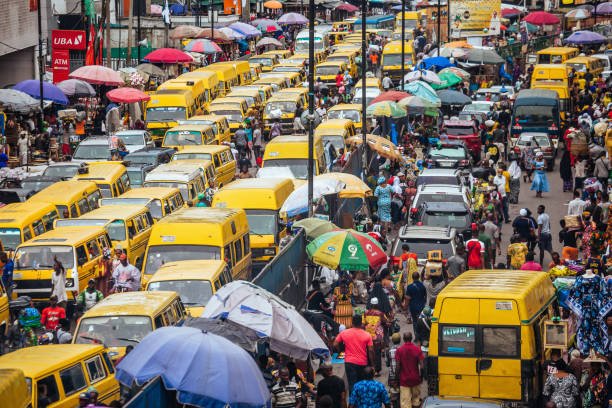

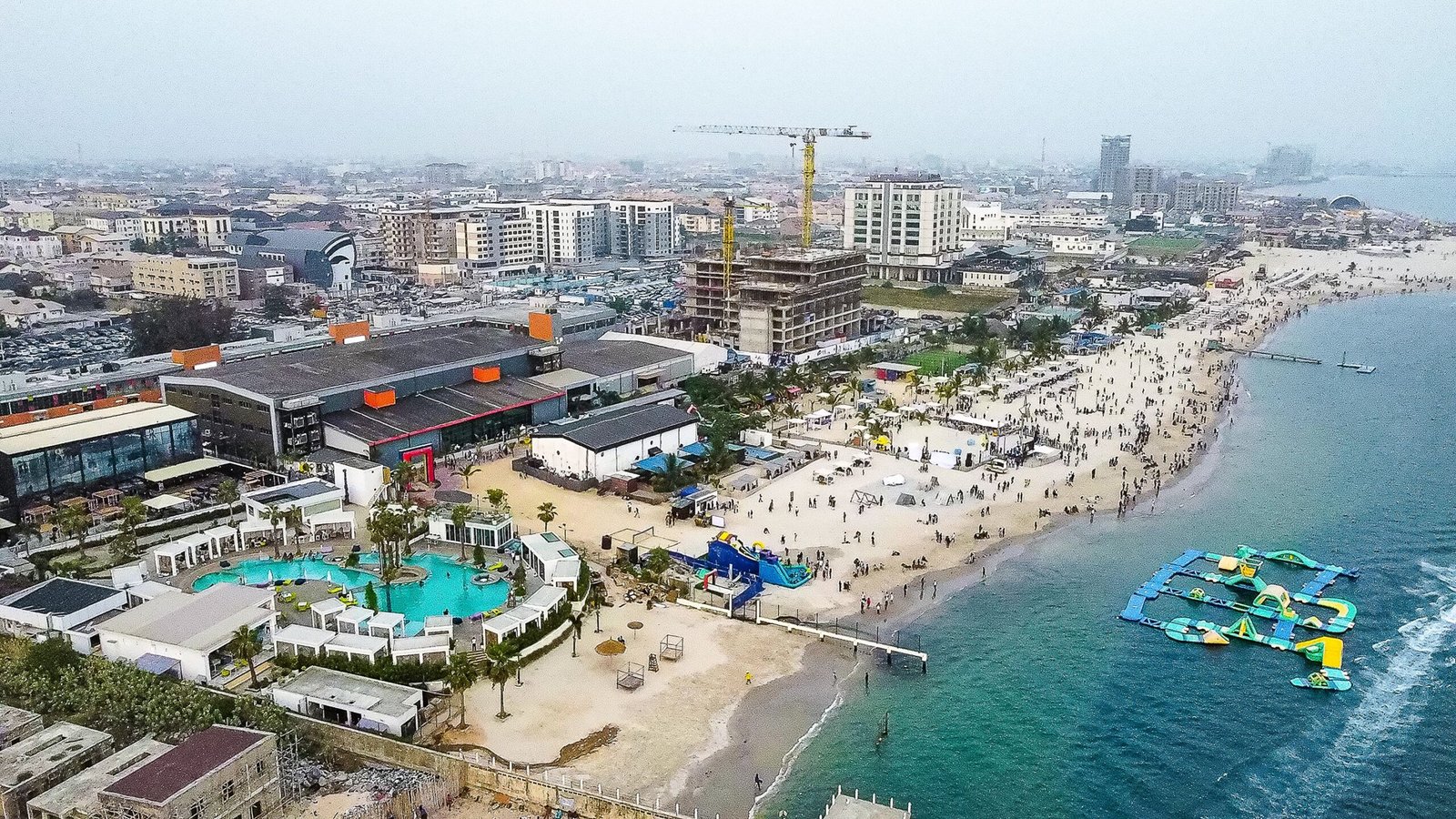

If Lagos is the city that never stops moving, then Buenos Aires is the city that never stops dancing. Argentina’s capital is lively, emotional, stylish, and filled with a unique energy that instantly pulls you in. One moment, you are walking through elegant European-style streets that feel like Paris; the next moment, you are hearing live tango music from a street corner café while football fans passionately debate Messi versus Maradona.
For Nigerian travellers looking for something different from the usual Dubai, London, or Paris experience, Buenos Aires offers a refreshing mix of culture, nightlife, history, architecture, and surprisingly affordable travel opportunities. It is one of South America’s most exciting cities and a destination that combines beauty, entertainment, and character without completely emptying your account.
Whether you are a digital nomad, adventure traveller, football lover, foodie, or simply someone looking to explore a new continent, a Buenos Aires city tour is an unforgettable experience.
Contents
- 1 Why Buenos Aires Is Worth Visiting
- 2 Understanding the Layout of Buenos Aires
- 3 Plaza de Mayo: The Historical Heart of Argentina
- 4 La Boca: Buenos Aires’ Most Colourful Neighbourhood
- 5 San Telmo: The Artistic and Bohemian Side of the City
- 6 Recoleta: Luxury, Elegance, and History
- 7 Palermo: Food, Fashion, and Nightlife
- 8 What Nigerians Should Eat in Buenos Aires
- 9 Football Culture in Buenos Aires
- 10 Best Time to Visit Buenos Aires
- 11 Travel Tips for Nigerians Visiting Buenos Aires
- 12 Estimated Budget for Nigerian Travellers
- 13 Day Trips from Buenos Aires
- 14 Final Thoughts
Why Buenos Aires Is Worth Visiting
Buenos Aires is often called the “Paris of South America,” but the city has a personality entirely its own. It blends old European charm with Latin American passion and energy. The result is a destination that feels sophisticated, artistic, emotional, and alive all at once.
For Nigerians, especially, there are several reasons Buenos Aires stands out as a fantastic travel destination.
Affordable Compared to Many International Destinations
Argentina’s economic situation has made the country relatively affordable for visitors carrying US dollars or other strong foreign currencies. Compared to cities like London, Dubai, or New York, accommodation, transportation, and food in Buenos Aires can feel surprisingly budget-friendly.
While flight tickets from Nigeria may still be expensive, daily expenses within the city are often manageable if planned properly.
See also: Hong Kong Skyline: A Complete Guide to the World’s Most Dazzling Cityscape
A City Full of Culture
Every neighbourhood in Buenos Aires feels different. Some areas are colourful and artistic, while others feel luxurious and elegant. You can spend your mornings exploring museums and historical sites, your afternoons enjoying cafés and parks, and your nights dancing or enjoying live music.
Football Is Everywhere
For Nigerians who love football, Buenos Aires is almost sacred ground. This is the home of legendary clubs like Boca Juniors and River Plate, as well as football icons like Diego Maradona and Lionel Messi.
The passion for football in Argentina is intense. Watching a live match in Buenos Aires is an experience every football fan should have at least once.
Incredible Food Scene
Argentina is famous for beef, grilled meats, pastries, desserts, and wine. Even if you are not a serious foodie, Buenos Aires will tempt you constantly with the smell of grilled steak, fresh empanadas, and baked treats from street cafés.
Understanding the Layout of Buenos Aires
Buenos Aires is massive, so understanding the city’s main neighbourhoods helps you plan your tour better.
The city is divided into different districts known as “barrios,” and each barrio has its own atmosphere and identity.
Some are artistic and bohemian. Others are wealthy and polished. Some come alive at night, while others focus more on history and culture.
Exploring these neighbourhoods is one of the best parts of visiting Buenos Aires.
Plaza de Mayo: The Historical Heart of Argentina
Most city tours begin at Plaza de Mayo, the political and historical centre of Buenos Aires.
This famous square has witnessed revolutions, protests, celebrations, and political speeches throughout Argentina’s history. Standing there, you immediately feel the importance of the place.
Several major landmarks surround the square.
Casa Rosada
The famous pink presidential palace is one of Buenos Aires’ most recognizable buildings.
This is where Eva Perón — popularly known as Evita — addressed crowds from the balcony during some of Argentina’s most important political moments.
The building’s pink colour alone makes it stand out beautifully against the city landscape.
Metropolitan Cathedral
This impressive cathedral once served as the church of Pope Francis before he became head of the Catholic Church.
The architecture is stunning both inside and outside, making it worth visiting even if you are not religious.
The May Pyramid
This monument commemorates Argentina’s independence movement and remains one of the city’s most symbolic landmarks.
La Boca: Buenos Aires’ Most Colourful Neighbourhood
If there is one area every tourist photographs endlessly, it is La Boca.
The neighbourhood is famous for Caminito Street, where brightly painted buildings create one of the most visually exciting places in South America.
The colours, music, dancing, and street art give La Boca an atmosphere unlike anywhere else in Buenos Aires.
The Birthplace of Tango
La Boca played a major role in the development of tango music and dance. As you walk through the area, you will often see dancers performing outdoors for visitors.
The music, dramatic movements, and emotional expression make tango performances fascinating even if you know nothing about dance.
La Bombonera Stadium
Football fans consider this place legendary.
La Bombonera is the home stadium of Boca Juniors, one of the biggest football clubs in the world, and the former club of Diego Maradona.
The atmosphere during matches is famously intense. Supporters sing, chant, wave flags, and create an energy that feels almost unreal.
Safety in La Boca
While La Boca is beautiful and tourist-friendly during the day, some surrounding areas can become unsafe at night. Visitors should remain within the main tourist zones and avoid wandering into unfamiliar streets after dark.
San Telmo: The Artistic and Bohemian Side of the City
San Telmo feels creative, relaxed, and full of character.
This neighbourhood is known for:
- Vintage shops
- Street musicians
- Jazz bars
- Art galleries
- Tango cafés
- Antique markets
The area has a slower, more nostalgic atmosphere compared to the fast-paced energy of central Buenos Aires.
San Telmo Market
Held on Sundays, the San Telmo Market attracts locals and tourists searching for antiques, handmade crafts, vintage fashion, and local foods.
The streets become lively with performers, musicians, and artists.
For travellers who enjoy creative environments, San Telmo is one of the most enjoyable parts of the city.
Recoleta: Luxury, Elegance, and History
Recoleta represents the elegant side of Buenos Aires.
Wide boulevards, upscale cafés, designer stores, luxury apartments, and impressive architecture make this neighbourhood feel almost European.
Recoleta Cemetery
This cemetery is one of the city’s biggest attractions.
Unlike ordinary cemeteries, it resembles a miniature city filled with elaborate mausoleums, statues, and marble pathways.
Many important Argentine figures are buried here, including Eva Perón.
Even visitors who normally avoid cemeteries often find Recoleta fascinating because of its artistic beauty and historical significance.
Floralis Genérica
This giant metallic flower sculpture opens and closes depending on sunlight, becoming especially beautiful during sunset.
Avenida Alvear
One of Buenos Aires’ most luxurious streets, filled with designer boutiques and elegant hotels.
Palermo: Food, Fashion, and Nightlife
Palermo is where Buenos Aires becomes trendy, youthful, and energetic.
This district is huge and contains several sub-neighbourhoods, including Palermo Soho and Palermo Hollywood.
Palermo Soho
Known for:
- Fashion boutiques
- Stylish cafés
- Street art
- Creative restaurants
- Relaxed nightlife
Palermo Hollywood
Popular for:
- Bars
- Clubs
- Live music
- Restaurants
- Nightlife
This area attracts both tourists and locals looking for entertainment.
For Lagos nightlife lovers, Palermo feels familiar in some ways — energetic, social, fashionable, and constantly busy at night.
Bosques de Palermo
This large green park area provides a peaceful escape from the city’s busy streets.
Perfect for:
- Cycling
- Walking
- Relaxation
- Photography
- Picnics
What Nigerians Should Eat in Buenos Aires
Argentine cuisine focuses heavily on meat, pastries, desserts, and grilled foods.
If you enjoy suya or grilled meats in Nigeria, Argentine barbecue culture will probably impress you.
Asado
Argentina’s famous barbecue tradition.
The beef is grilled slowly over fire and often served with chimichurri sauce.
Many visitors consider Argentine steak among the best in the world.
Empanadas
These stuffed pastries resemble meat pies but usually have crispier pastry and various fillings.
Milanesa
Breaded meat cutlets similar to schnitzel.
Dulce de Leche
A sweet caramel-like spread Argentines use in desserts, pastries, cakes, and cookies.
Alfajores
Soft cookies filled with dulce de leche and often covered in chocolate.
Nigerian Spice Warning
One thing Nigerians quickly notice is that Argentine food is generally mild.
Pepper lovers may seriously miss Nigerian spice levels. Carrying small pepper sachets or chilli flakes might save your life emotionally.
Football Culture in Buenos Aires
In Buenos Aires, football is more than entertainment. It is identity, emotion, and daily conversation.
Taxi drivers, restaurant workers, students, and elderly people all discuss football passionately.
Boca Juniors vs River Plate
This rivalry is one of the biggest football rivalries in the world.
The atmosphere during their matches becomes incredibly intense across the city.
Watching either club play live is unforgettable for football lovers.
Diego Maradona and Lionel Messi
Buenos Aires celebrates football legends passionately.
Maradona remains almost mythical in Argentina, while Messi is deeply respected and admired.
Best Time to Visit Buenos Aires
Because Argentina is in the Southern Hemisphere, seasons are opposite to those in Nigeria.
Spring (September to November)
One of the best periods to visit because temperatures are comfortable and flowers bloom beautifully across parks and streets.
Summer (December to February)
Hot and lively with festivals, concerts, and nightlife.
Autumn (March to May)
Cooler weather and fewer crowds.
Winter (June to August)
Cold but still enjoyable for sightseeing.
Travel Tips for Nigerians Visiting Buenos Aires
Visa Requirements
Nigerians require a visa to visit Argentina.
Applications are typically processed through the Argentine Embassy in Abuja.
Applicants may need:
- International passport
- Financial documents
- Flight reservations
- Hotel bookings
- Travel insurance
Currency and Payments
Argentina uses the Argentine Peso (ARS).
Exchange rates fluctuate frequently, so travellers should monitor currency changes carefully.
Many visitors prefer carrying US dollars because exchange rates are often more favourable.
Safety Tips
Buenos Aires is generally safer than many major cities globally, but pickpocketing exists in crowded tourist areas.
Helpful precautions include:
- Avoid displaying expensive gadgets openly
- Use Uber or a trusted ride app
- Stay alert in crowded markets
- Avoid isolated areas late at night
Estimated Budget for Nigerian Travellers
Flights
Return flights from Lagos or Abuja to Buenos Aires typically range between:
- ₦1.5 million to ₦3.5 million, depending on airline, booking period, and stopovers.
Accommodation
Budget hotels and hostels:
- $20–$60 per night
Mid-range hotels:
- $70–$150 per night
Luxury hotels:
- $200+ per night
Food
Local restaurants are relatively affordable, especially compared to Europe or North America.
Day Trips from Buenos Aires
If you have extra time, several destinations near Buenos Aires are worth visiting.
Tigre Delta
A beautiful riverside town known for boat tours and relaxed scenery.
Colonia del Sacramento (Uruguay)
A charming colonial town accessible by ferry.
Estancias
Traditional Argentine ranches, where visitors experience horseback riding, barbecue, and rural culture.
Final Thoughts
Buenos Aires is one of those cities that slowly wins you over.
At first, you notice the architecture, football culture, and nightlife. Then you begin to appreciate the music drifting through restaurants, the emotional passion of tango dancers, the beauty of tree-lined streets, and the energy of people who truly love their city.
For Nigerian travellers looking beyond the usual tourist destinations, Buenos Aires offers something refreshing: culture, affordability, excitement, history, and unforgettable experiences all in one place.
It is not just a city you visit. It is a city you feel.

Welcome to my world! 🌟 I’m Clare, the proud founder of lovemeandtour.com website. I’m passionate about connecting people and helping them find love. Join me on this exciting journey and let’s spread love together! 🌟 #LoveMe #Travel #Passionate