





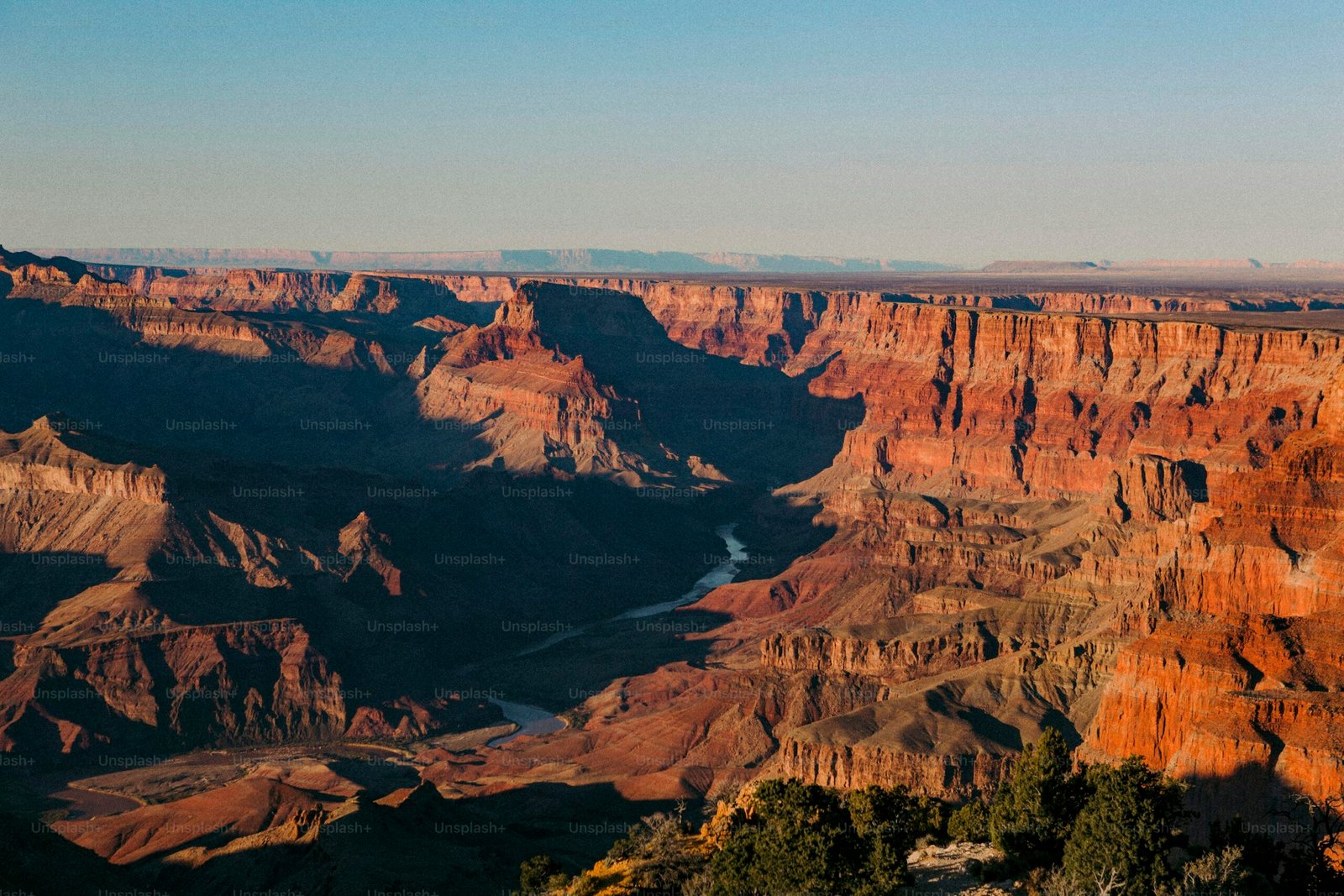


Nigeria is a country rich in culture, diversity, and breathtaking landscapes. Beyond its vibrant cities and famous cuisine lies a remarkable collection of natural attractions that tell the story of the nation’s geography, heritage, and ecological diversity. From towering rock formations and mist-covered highlands to cascading waterfalls and lush rainforests, Nigeria offers travelers an impressive range of natural wonders waiting to be explored.
For adventurers, nature enthusiasts, and curious travelers, exploring Nigeria reveals experiences that go far beyond the ordinary. Many of these destinations combine natural beauty with cultural significance, creating unique environments where history, tradition, and nature intersect. Whether it is hiking up ancient hills, swimming in natural springs, or exploring sacred caves, each destination offers a memorable journey into the country’s natural heritage.
This guide highlights some of Nigeria’s most remarkable natural attractions while also providing helpful tips for travelers who want to explore these destinations fully.
Contents
- 1 Tips for Exploring Nigeria’s Natural Wonders
- 2 Best Time to Visit Nigeria’s Natural Attractions
- 3 Packing Essentials for Exploring Nigeria
- 4 Why Local Guides Enhance the Experience
- 5 Cultural Etiquette and Safety When Visiting Natural Sites
- 6 Top Natural Attractions in Nigeria
- 6.1 Zuma Rock: Nigeria’s Iconic Monolith
- 6.2 Yankari National Park: Nigeria’s Wildlife Haven
- 6.3 Erin-Ijesha Waterfalls: The Seven-Level Wonder
- 6.4 Obudu Mountain Resort: Nigeria’s Highland Escape
- 6.5 Idanre Hills: Nature and History Combined
- 6.6 Ogbunike Caves: A Sacred Natural Wonder
- 6.7 Mambilla Plateau: Nigeria’s Scenic Highlands
- 6.8 Lekki Conservation Centre: Nature in the City
- 7 The Importance of Protecting Nigeria’s Natural Heritage
- 7.1 Frequently Asked Questions
- 7.1.1 What are the most famous natural attractions in Nigeria?
- 7.1.2 What is the best time to visit Nigeria’s natural attractions?
- 7.1.3 Do visitors need guides when exploring natural attractions?
- 7.1.4 Are Nigeria’s natural attractions safe for tourists?
- 7.1.5 Why are Nigeria’s natural attractions important?
- 7.1.6 Conclusion
- 7.1 Frequently Asked Questions
Tips for Exploring Nigeria’s Natural Wonders
Exploring natural destinations in Nigeria can be an exciting experience, but proper planning helps ensure a smooth and enjoyable trip. Because many attractions are located outside major urban centers, visitors should prepare for longer travel times and varying terrain.
Travelers should always research their destination in advance and, where possible, contact local tourism authorities or guides. Doing so helps ensure access to the site, provides cultural context, and enhances safety during exploration.
Nature trips also require flexibility. Weather conditions, especially during the rainy season, can affect travel routes and accessibility. Being open to adjusting travel plans often leads to even more rewarding experiences.
Best Time to Visit Nigeria’s Natural Attractions
Nigeria’s climate plays an important role in determining the best time to visit natural attractions. The dry season, which typically runs from November to March, is generally the most convenient period for travel. During this time, road conditions are better, hiking trails are easier to navigate, and wildlife sightings are more common in national parks.
However, certain natural attractions are at their most spectacular during the rainy season. Waterfalls such as the one in Erin-Ijesha and Gurara Falls become far more dramatic after heavy rainfall, with powerful streams of water cascading down rocky cliffs.
For travelers interested in photography and lush green landscapes, the rainy season can provide an incredibly scenic experience, even though travel conditions may sometimes be more challenging.
Packing Essentials for Exploring Nigeria
Preparing properly for outdoor exploration is essential when visiting Nigeria’s natural attractions. Comfortable clothing and durable footwear are particularly important, as many destinations involve hiking or walking on uneven terrain.
Travelers should also carry sunscreen, insect repellent, and a reusable water bottle to stay hydrated during long outdoor excursions. A small backpack containing snacks, a basic first aid kit, and a light rain jacket can also be helpful, especially when visiting forests or mountainous regions.
Because some destinations are located far from major towns, packing essential supplies ensures that visitors remain comfortable throughout their journey.
Why Local Guides Enhance the Experience
Local guides play an important role in helping visitors explore Nigeria’s natural landscapes safely and meaningfully. Many of these guides possess extensive knowledge about the history, cultural significance, and ecological importance of each location.
In places such as caves, forests, and mountain trails, guides help visitors navigate safely while sharing fascinating stories and historical insights. They can also identify wildlife, explain local traditions, and highlight hidden features that tourists might otherwise overlook.
Hiring local guides not only enhances the travel experience but also supports the local economy and encourages sustainable tourism in rural communities.
Cultural Etiquette and Safety When Visiting Natural Sites
While many natural attractions in Nigeria are open to tourists, visitors should remain mindful of cultural traditions and community practices. Some locations are considered sacred by local communities and may have specific customs that visitors must follow.
For example, certain caves and spiritual sites require visitors to remove their shoes or seek permission before entering. Respecting these customs helps preserve the cultural importance of these locations and strengthens relationships between tourists and host communities.
Travelers should also remain vigilant when exploring remote areas. Staying within designated paths, traveling with guides, and informing someone of travel plans are simple precautions that enhance safety.
Top Natural Attractions in Nigeria
Zuma Rock: Nigeria’s Iconic Monolith
One of Nigeria’s most recognizable natural landmarks is Zuma Rock, located along the Abuja–Kaduna highway. This massive monolith rises approximately 725 meters above its surroundings, dominating the skyline with its imposing presence.
Often referred to as the gateway to Abuja, the rock is surrounded by fascinating local legends. Some residents believe the rock possesses spiritual significance, and its naturally carved facial features add to its mystique.
Visitors can explore the area around the rock and enjoy spectacular views of the surrounding landscape, especially during sunset when the rock glows with golden hues.
Yankari National Park: Nigeria’s Wildlife Haven
Located in Bauchi State, Yankari National Park is Nigeria’s most famous wildlife reserve. The park covers more than 2,000 square kilometers and provides a protected habitat for elephants, buffalo, hippos, baboons, and numerous bird species.
A major highlight of the park is the Wikki Warm Springs, a natural spring with clear water that maintains a comfortable temperature throughout the year. Swimming in the warm spring after a long safari is a refreshing experience that attracts visitors from across the country.
Yankari remains one of the best destinations for travelers interested in wildlife and nature conservation in Nigeria.
Erin-Ijesha Waterfalls: The Seven-Level Wonder
Erin-Ijesha Waterfalls, located in Osun State, is one of the most spectacular waterfalls in Nigeria. Also known as Olumirin Waterfalls, the site features seven distinct levels, each offering its own scenic beauty.
Climbing to the top involves a mix of hiking and light climbing, but the effort is rewarded with breathtaking views of the surrounding forest and natural pools along the way.
The waterfalls also hold cultural importance for the local community, and many visitors believe the waters have healing properties.
Obudu Mountain Resort: Nigeria’s Highland Escape
Perched high in the mountains of Cross River State, Obudu Mountain Resort offers a unique climate and stunning natural scenery. The high altitude creates cooler temperatures that contrast sharply with the warmer weather common in many parts of Nigeria.
The resort is surrounded by rolling hills, forests, and breathtaking viewpoints. Visitors can enjoy hiking trails, bird-watching opportunities, and scenic viewpoints overlooking the valley.
The combination of natural beauty and modern facilities makes Obudu one of the most popular nature destinations in Nigeria.
Idanre Hills: Nature and History Combined
Idanre Hills in Ondo State is both a geological wonder and a historic site. The hills rise dramatically from the surrounding plains and feature a famous staircase of more than 600 steps leading to the ancient Idanre settlement.
Along the climb, visitors encounter historic shrines, sacred sites, and panoramic views of the countryside. The hills represent centuries of cultural history for the Idanre people and remain one of Nigeria’s most fascinating natural landmarks.
Ogbunike Caves: A Sacred Natural Wonder
Located in Anambra State, the Ogbunike Caves consist of a network of tunnels and chambers hidden within a forest. The caves are considered sacred, and visitors are traditionally required to remove their shoes before entering.
Inside the caves, cool air flows through narrow passages, creating a mysterious and peaceful atmosphere. Local guides often share stories about the spiritual significance and historical use of the caves.
The site offers a unique combination of adventure, culture, and natural beauty.
Mambilla Plateau: Nigeria’s Scenic Highlands
The Mambilla Plateau in Taraba State is one of the most picturesque regions in Nigeria. Rolling hills, cool temperatures, and lush vegetation make the plateau feel almost like a different climate zone compared to the rest of the country.
Tea plantations, scenic valleys, and mist-covered mountains create a tranquil environment that attracts hikers, photographers, and nature lovers. The plateau remains one of Nigeria’s most enchanting landscapes.
Lekki Conservation Centre: Nature in the City
In the heart of Lagos lies Lekki Conservation Centre, a protected nature reserve that offers visitors a chance to experience wildlife and forest ecosystems without leaving the city.
The center is famous for its canopy walkway, which allows visitors to walk high above the forest floor while observing monkeys, birds, and other wildlife below. Boardwalks and picnic areas make the reserve a relaxing escape from the busy urban environment.
The Importance of Protecting Nigeria’s Natural Heritage
Nigeria’s natural attractions are not only valuable for tourism but also for environmental conservation. Forests, wetlands, and wildlife reserves play a critical role in maintaining biodiversity and protecting ecosystems.
Efforts by conservation organizations and national park authorities help preserve these landscapes and ensure that wildlife populations continue to thrive. Responsible tourism also plays an important role in protecting these environments.
Visitors can contribute by respecting park rules, avoiding littering, and supporting local conservation initiatives.
Frequently Asked Questions
What are the most famous natural attractions in Nigeria?
Nigeria has several well-known natural attractions that draw visitors from across the country and beyond. Popular destinations include Zuma Rock, Yankari National Park, Erin-Ijesha Waterfalls, Obudu Mountain Resort, and Idanre Hills. Each location offers a unique experience, from wildlife viewing to hiking and sightseeing.
What is the best time to visit Nigeria’s natural attractions?
The dry season, typically between November and March, is considered the best time to explore many natural attractions in Nigeria because travel conditions are easier and outdoor activities are more comfortable. However, waterfalls are often most impressive during the rainy season when water levels are higher.
Do visitors need guides when exploring natural attractions?
While it is not always mandatory, hiring a local guide is highly recommended. Guides provide valuable insights about the history, wildlife, and cultural significance of each site while also helping visitors navigate unfamiliar terrain safely.
Are Nigeria’s natural attractions safe for tourists?
Most natural attractions are safe when visitors follow recommended safety guidelines. Traveling with guides, staying within designated areas, and respecting local customs help ensure a safe and enjoyable experience.
Why are Nigeria’s natural attractions important?
Nigeria’s natural landscapes are important because they support wildlife, protect ecosystems, and preserve cultural heritage. They also contribute to tourism and provide economic opportunities for local communities while promoting environmental awareness.
Conclusion
Nigeria’s natural landscapes are as diverse as the cultures and traditions that shape the nation. From majestic waterfalls and wildlife parks to ancient hills and sacred caves, the country offers countless opportunities for exploration and adventure.
Every destination tells a story of nature, history, and resilience. Whether you are seeking thrilling outdoor activities or peaceful retreats surrounded by nature, Nigeria’s natural wonders provide unforgettable experiences.
Exploring these remarkable landscapes allows travelers to appreciate the beauty of the country while supporting conservation and local communities. For anyone interested in discovering Africa’s hidden treasures, Nigeria remains a destination filled with extraordinary natural wonders.

Welcome to my world! 🌟 I’m Clare, the proud founder of lovemeandtour.com website. I’m passionate about connecting people and helping them find love. Join me on this exciting journey and let’s spread love together! 🌟 #LoveMe #Travel #Passionate