



Packing for an international trip requires planning, discipline, and clarity about your destination. As a Nigerian traveler, you may feel tempted to pack for every possible scenario, but smart travel is about preparation without excess. Whether you are flying to New York City, heading to the beaches of Bali, or visiting West Africa through Accra, your goal should be efficiency, compliance with airline regulations, and practical comfort.
Below is a structured, travel-expert guide to help you pack strategically while meeting international travel standards.
Contents
- 1 1. Secure Your Travel Documents First
- 2 2. Pack Clothing Based on Climate and Activities
- 3 3. Keep Toiletries Travel-Compliant
- 4 4. Understand Food and Customs Regulations
- 5 5. Travel with Essential Electronics Only
- 6 6. Prioritize Health and Safety
- 7 7. Manage Your Money Smartly
- 8 8. Use Smart Travel Accessories
- 9 9. Cultural and Personal Considerations
- 10 10. Avoid Overpacking
- 11 FAQs for Packing Essentials for Your Travel
1. Secure Your Travel Documents First
Before considering your packing essentials, like clothing or accessories, ensure that all necessary documentation is complete and valid. Many travel disruptions occur because of simple oversights.
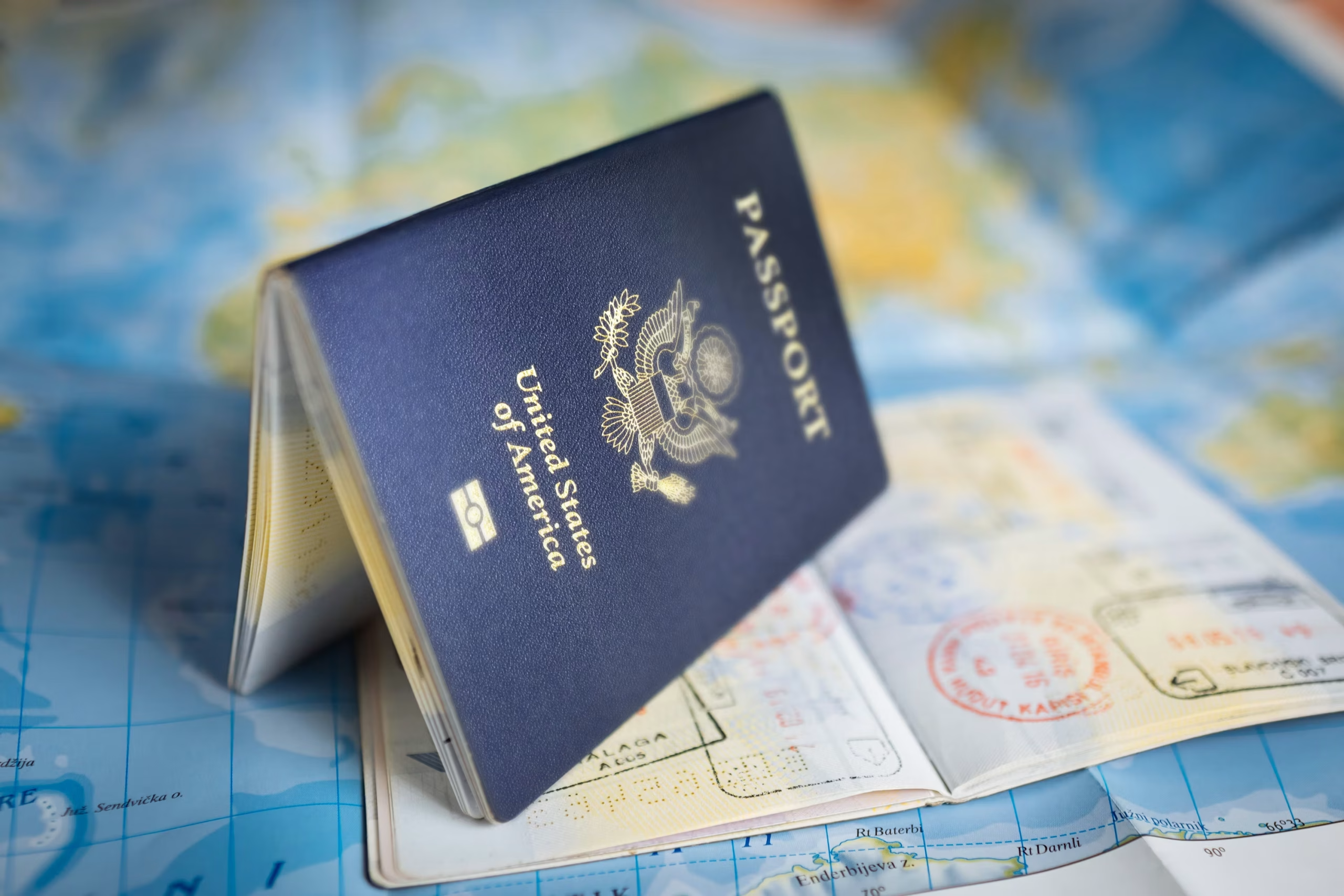
Your passport should be valid for at least six months beyond your return date. Verify that your visa aligns with your travel purpose and duration. Keep digital and printed copies of your flight tickets, hotel reservations, and travel insurance policy. Travel insurance is highly recommended, especially for medical emergencies, lost luggage, or unexpected cancellations.
Some countries may still require vaccination certificates or health documentation. Always check official government travel advisories before departure.
For added security, carry photocopies of your passport data page and visa separately from the originals. Store scanned copies securely in your email or cloud storage.
2. Pack Clothing Based on Climate and Activities
Professional travelers prioritize climate research when checking their packing essentials. Check the weather forecast for your destination for the exact travel period, not just the general season.
For cold destinations, pack thermal layers, a proper winter jacket, gloves, and weather-resistant shoes. For warm or tropical regions, breathable fabrics such as cotton and linen are ideal. Lightweight clothing reduces luggage weight and increases comfort.
Versatility is key. Choose clothing pieces that can be mixed and matched easily. Limit shoes to two or three functional pairs: comfortable walking shoes, casual footwear, and one dress option if necessary.
Avoid overpacking ceremonial or “just in case” outfits unless you have confirmed events requiring them.
3. Keep Toiletries Travel-Compliant
Airlines strictly enforce liquid restrictions in carry-on luggage. Liquids must generally be in containers of 100ml or less and stored in a transparent, resealable bag.
Pack only essential toiletries:
-
Toothbrush and toothpaste
-
Deodorant
-
Travel-size lotion and shower gel
-
Basic skincare items
-
Comb or brush
If staying in a hotel, many toiletries will be provided. For longer stays (especially Airbnb accommodations), bring only what is necessary for the first few days and purchase the rest at your destination.
4. Understand Food and Customs Regulations
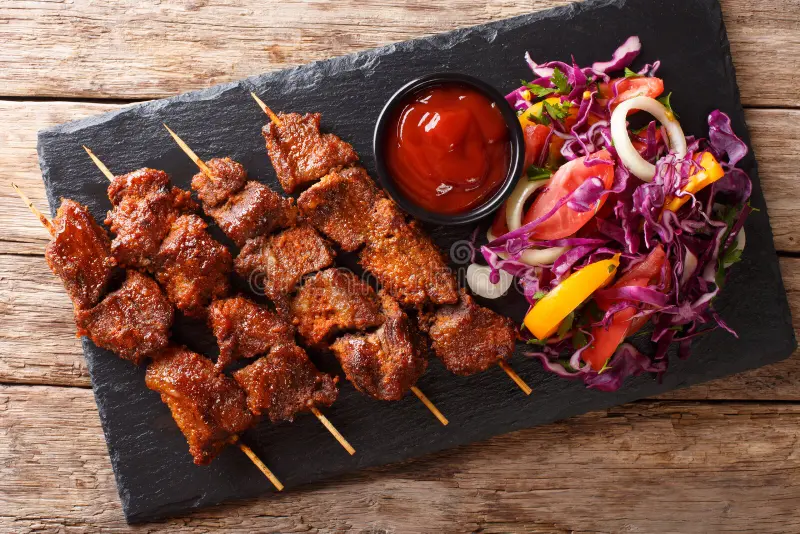
While it may be comforting to carry familiar Nigerian snacks, many countries have strict customs rules regarding food imports. Items containing meat, fresh produce, seeds, or certain spices may be confiscated.
Before packing food, check the customs website of your destination country. When allowed, keep snacks sealed and commercially packaged. Always declare food items if required. Failing to declare restricted items can result in fines.
5. Travel with Essential Electronics Only
Electronics are important, but should be limited to essentials.
Carry:
-
Your mobile phone and charger
-
A power bank (within airline battery limits)
-
A universal travel adapter
-
Laptop or tablet if required for work
-
Earphones or noise-cancelling headphones
Different countries use different plug types and voltages. A universal adapter prevents unnecessary stress upon arrival.
Avoid carrying devices you will not realistically use.
6. Prioritize Health and Safety
Health preparedness is non-negotiable.
Pack:
-
Prescription medications (with copies of prescriptions)
-
Basic pain relievers
-
Antihistamines
-
Small first aid kit (bandages, antiseptic wipes)
-
Hand sanitizer
If traveling to regions with specific health risks, confirm vaccination requirements in advance. Keep medications in original packaging to avoid airport issues.
7. Manage Your Money Smartly
Relying on a single payment method is risky.
Best practice includes:
-
Carrying some local currency for immediate expenses
-
Having at least one debit or credit card
-
Informing your bank of your travel dates to prevent transaction blocks
-
Keeping emergency cash in a separate location
Avoid carrying large amounts of physical cash.
8. Use Smart Travel Accessories
Certain small items significantly improve travel comfort:
-
Lightweight daypack
-
Reusable water bottle
-
Packing cubes for organization
-
Luggage tag with contact information
-
Neck pillow for long-haul flights
Keep one change of clothes and basic toiletries in your carry-on in case checked luggage is delayed.
9. Cultural and Personal Considerations
If you plan to attend cultural events or gatherings, pack one appropriate traditional outfit. However, avoid overloading your suitcase with clothing you are unlikely to wear.
For extended stays, you may consider bringing small cultural gifts for hosts, but ensure they comply with customs regulations.
10. Avoid Overpacking
One of the most common travel mistakes is packing based on fear rather than actual need. Airlines charge heavily for excess baggage. More importantly, heavy luggage reduces mobility and increases stress.
If you cannot comfortably lift your suitcase, you have packed too much.
Aim for efficiency, mobility, and compliance.
FAQs for Packing Essentials for Your Travel
1. How many outfits should I pack for a two-week trip?
Plan for 7–8 interchangeable outfits and use laundry services if available. This reduces luggage weight while maintaining variety.
2. Should I exchange currency in Nigeria before traveling?
Yes, exchange a small amount for immediate expenses such as transport upon arrival. For better rates, use ATMs or authorized exchange services at your destination.
3. Is travel insurance really necessary?
Yes. Travel insurance protects you from financial losses related to medical emergencies, cancellations, and lost luggage. Many countries now require proof of insurance for visa approval.
4. Can I travel with Nigerian food items?
It depends on the country. Always check official customs regulations before packing food. Some destinations strictly prohibit certain food categories.
5. What is the biggest packing mistake travelers make?
Overpacking and ignoring airline baggage rules. Always check your airline’s baggage allowance and weight limits before leaving for the airport.
Conclusion
Packing smartly ensures smoother airport experiences, lower costs, and less stress throughout your journey. Thoughtful preparation allows you to focus on the purpose of your trip – whether business, tourism, education, or relocation – while traveling confidently and responsibly.

Welcome to my world! 🌟 I’m Clare, the proud founder of lovemeandtour.com website. I’m passionate about connecting people and helping them find love. Join me on this exciting journey and let’s spread love together! 🌟 #LoveMe #Travel #Passionate