






Abuja, Nigeria’s capital city, is a fascinating blend of modern infrastructure, natural beauty, and cultural heritage. Known for its well-planned layout and scenic landscapes, the city offers a wide variety of attractions for visitors and residents alike. Anyone searching for tourist attractions in Abuja will discover a destination filled with architectural landmarks, serene parks, historical sites, and natural wonders.
Beyond serving as the country’s administrative center, Abuja provides many opportunities for exploration and relaxation. From iconic rock formations to peaceful lakeside environments and vibrant cultural markets, the city showcases the diversity and beauty of Nigeria. Here are ten incredible attractions you should experience when visiting Abuja.
Contents
- 1 Zuma Rock – The Gateway to Abuja
- 2 Aso Rock and the Three Arms Zone – The Heart of Nigerian Governance
- 3 Nigerian National Mosque – A Landmark of Islamic Architecture
- 4 National Christian Centre – A Symbol of Faith and Unity
- 5 Jabi Lake and Jabi Lake Mall – A Perfect Lakeside Escape
- 6 Millennium Park – Abuja’s Largest Green Space
- 7 Usuma Dam – A Scenic Natural Escape
- 8 Abuja Arts and Crafts Village – A Cultural Marketplace
- 9 Gurara Waterfalls – A Natural Wonder Near Abuja
- 10 Mpape Crushed Rock – A Unique Adventure Spot
- 11 Frequently Asked Questions
- 12 Final Thoughts
Zuma Rock – The Gateway to Abuja
Zuma Rock is one of Nigeria’s most famous landmarks and a major symbol of Abuja. Located along the Abuja–Kaduna road, this massive monolith rises dramatically from the surrounding landscape and is often referred to as the “Gateway to Abuja.”
The rock stands about 725 meters above its surroundings and is known for the natural human-like face that appears on its surface. This unique feature adds to its cultural and spiritual significance among locals. Zuma Rock is also featured on Nigeria’s ₦100 note, further highlighting its importance as a national symbol.
Many visitors stop here to admire the view and take photographs, especially in the late afternoon when the sunlight casts a golden glow on the rock. Its impressive size and mysterious appearance make it one of the most unforgettable tourist attractions in Abuja.
Recommended: Exploring Nigeria’s Natural Wonders: Top Attractions and Hidden Natural Destinations
Aso Rock and the Three Arms Zone – The Heart of Nigerian Governance
Aso Rock is another prominent natural formation that plays a central role in Abuja’s identity. This massive granite outcrop towers over the city and serves as the focal point for many important government institutions.
At the base of Aso Rock lies the Three Arms Zone, which houses Nigeria’s most important government buildings: the Presidential Villa, the National Assembly, and the Supreme Court. Together, these institutions represent the executive, legislative, and judicial branches of Nigeria’s government.
While access to certain areas may be restricted for security reasons, visitors can still appreciate the impressive architecture and symbolic importance of this district. The area provides a glimpse into the structure of Nigeria’s governance and the thoughtful urban planning behind the capital city.
Nigerian National Mosque – A Landmark of Islamic Architecture
The Nigerian National Mosque is one of Abuja’s most striking architectural landmarks. Its golden dome and towering minarets dominate the skyline, making it easily recognizable from many parts of the city.
The mosque serves as the national headquarters for Islamic worship in Nigeria and attracts both worshippers and visitors interested in its design. The surrounding grounds are open to visitors, offering a peaceful environment that reflects the spiritual significance of the site.
At night, the mosque becomes even more impressive as lighting highlights its elegant architectural features. Although non-Muslims may not enter the main prayer hall, the exterior alone makes it one of the most admired tourist attractions in Abuja.
See more: Beach Parties in Abuja: The Ultimate Guide to Waterfront Fun in Nigeria’s Capital
National Christian Centre – A Symbol of Faith and Unity
Located close to the National Mosque, the National Christian Centre is another remarkable religious landmark in Abuja. The building features a modern architectural style with towering spires, expansive interiors, and beautiful stained-glass windows.
The center serves as a major place of worship for Christians in Nigeria and regularly hosts national religious events and celebrations. Visitors often admire the building’s design and peaceful atmosphere.
Beyond its religious function, the National Christian Centre represents Nigeria’s spirit of coexistence and unity among different faiths, making it an important cultural and spiritual site within the city.
Jabi Lake and Jabi Lake Mall – A Perfect Lakeside Escape
Jabi Lake offers a refreshing break from the busy pace of city life. This man-made lake has become one of Abuja’s most popular recreational areas thanks to its peaceful environment and scenic views.
Visitors can enjoy boat rides, kayaking, and lakeside relaxation while taking in the natural beauty of the surroundings. The calm water and open spaces create a relaxing atmosphere that attracts families, couples, and tourists.
Right beside the lake is Jabi Lake Mall, one of the city’s most popular shopping and entertainment centers. The mall features a variety of international and local brands, restaurants, cinemas, and cafés. After shopping or watching a movie, many visitors enjoy dining at lakeside restaurants while watching the sunset over the water.
Millennium Park – Abuja’s Largest Green Space
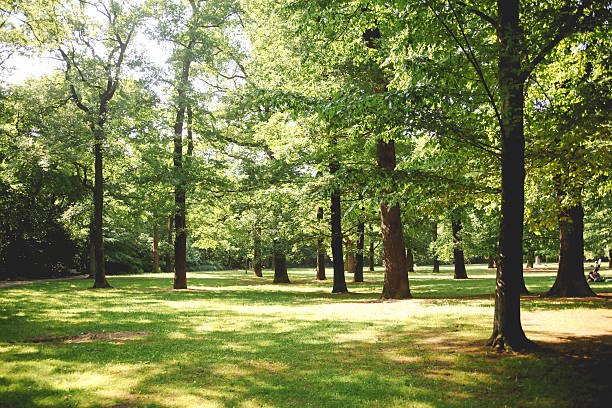
Millennium Park is the largest public park in Abuja and a favorite destination for outdoor relaxation. Designed by renowned Italian architect Manfredi Nicoletti, the park offers beautifully landscaped gardens, open lawns, and tree-lined walking paths.
As one of the best tourist attractions in Abuja, the park is ideal for picnics, jogging, family outings, and casual gatherings with friends. During weekends and public holidays, the park often becomes lively with visitors enjoying outdoor activities and small vendors selling snacks and refreshments.
Its peaceful environment and well-maintained greenery make Millennium Park one of the most relaxing tourist attractions in Abuja.
Usuma Dam – A Scenic Natural Escape
Located on the outskirts of Abuja, Usuma Dam provides a quiet and scenic environment that many visitors describe as a hidden gem. The dam serves as one of the main water sources for the city but also doubles as a beautiful natural attraction.
Surrounded by lush vegetation and hills, the area offers breathtaking views and a calm atmosphere that is perfect for picnics and photography. Many people visit the dam simply to enjoy the tranquility and natural beauty away from the city’s busy streets.
For those who appreciate nature and peaceful environments, Usuma Dam is an excellent place to unwind.
Check out: Christmas in Abuja: A Festive Guide to the Heart of Nigeria
Abuja Arts and Crafts Village – A Cultural Marketplace
The Abuja Arts and Crafts Village is a vibrant marketplace that showcases Nigeria’s diverse artistic traditions. Visitors can explore stalls filled with handmade items such as wooden carvings, traditional fabrics, jewelry, paintings, and sculptures.
This cultural hub allows tourists to experience the creativity and craftsmanship of Nigerian artisans while also purchasing authentic souvenirs. Bargaining is a common practice in the market, making the shopping experience both engaging and interactive.
Beyond shopping, the lively atmosphere of the village offers visitors a deeper connection to Nigeria’s cultural heritage.
Gurara Waterfalls – A Natural Wonder Near Abuja
Located about an hour’s drive from the city, Gurara Waterfalls is one of the most beautiful natural attractions near Abuja. The waterfall cascades over rocky cliffs into a wide pool surrounded by lush vegetation.
The scenery is especially spectacular during the rainy season when the water flow is at its strongest. Visitors can explore nearby walking trails, enjoy picnics, and take photographs of the impressive landscape.
Nature lovers often consider Gurara Waterfalls one of the most breathtaking attractions in the region, making it a worthwhile day trip from Abuja.
Mpape Crushed Rock – A Unique Adventure Spot
Mpape Crushed Rock has quickly gained popularity as one of Abuja’s most visually striking locations. This former quarry features dramatic cliffs surrounding a pool of emerald-green water, creating a landscape that looks almost surreal.
The location has become a favorite for photographers, hikers, and adventure seekers who enjoy exploring unusual natural environments. Although the site is still developing as a tourist attraction, it offers breathtaking views and unique photo opportunities.
Visitors are encouraged to exercise caution while exploring the area, as some parts of the terrain can be steep.
See more: Exploring Abuja: A Tourist’s Guide to Nigeria’s Capital
Frequently Asked Questions
What are the most popular tourist attractions in Abuja?
Some of the most popular tourist attractions in Abuja include Zuma Rock, Aso Rock, Jabi Lake, Millennium Park, the Nigerian National Mosque, and the National Christian Centre. These locations combine natural beauty with cultural and architectural significance.
What is the best time to visit tourist attractions in Abuja?
The dry season, typically between November and March, is the best time to explore Abuja’s outdoor attractions. The weather is more comfortable for sightseeing and outdoor activities during this period.
Are there natural attractions near Abuja?
Yes, Abuja is surrounded by several natural attractions, including Gurara Waterfalls, Usuma Dam, and Mpape Crushed Rock. These locations provide beautiful landscapes and opportunities for nature exploration.
Is Abuja a good destination for tourists?
Abuja is considered one of Nigeria’s safest and most organized cities for tourists. Its modern infrastructure, cultural landmarks, and natural scenery make it an attractive destination for both local and international visitors.
How many days do you need to explore Abuja?
Most travelers can explore the main attractions in Abuja within two to three days. However, spending additional time allows visitors to experience nearby destinations, local markets, and cultural activities more fully.
Final Thoughts
Abuja is more than just Nigeria’s political capital. It is a city filled with beauty, culture, and adventure waiting to be explored. From towering rock formations and peaceful parks to vibrant cultural markets and scenic waterfalls, the city offers a wide range of experiences for travelers.
Whether you are visiting for the first time or rediscovering the city as a resident, exploring these tourist attractions in Abuja will give you a deeper appreciation for the capital’s unique charm and cultural significance.

Welcome to my world! 🌟 I’m Clare, the proud founder of lovemeandtour.com website. I’m passionate about connecting people and helping them find love. Join me on this exciting journey and let’s spread love together! 🌟 #LoveMe #Travel #Passionate