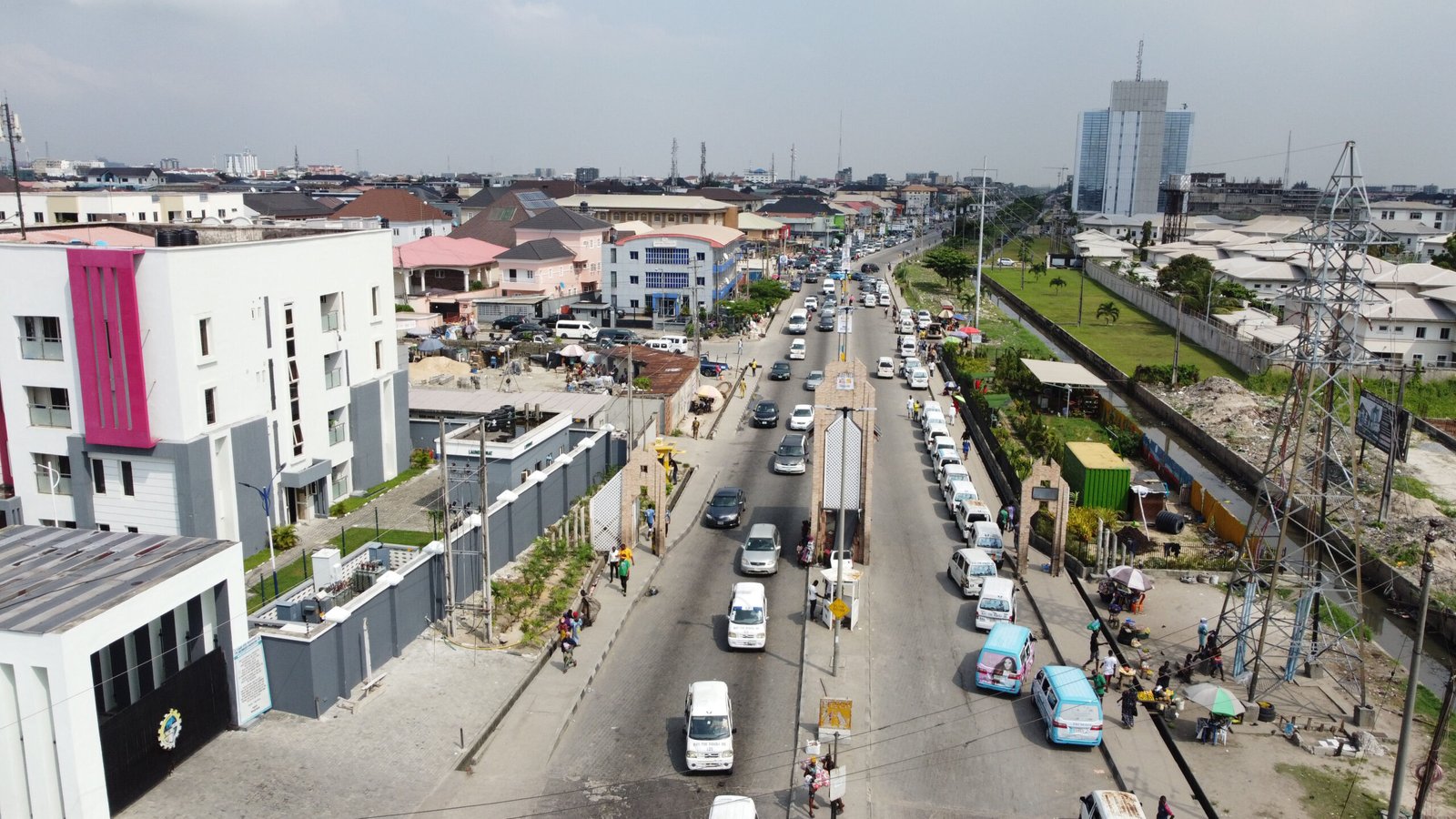





Nigeria – Africa’s Untapped Tourism Goldmine
Nigeria’s tourism sector is steadily emerging as one of the most promising non-oil investment frontiers in Africa. As a Nigerian travel expert, I can confidently say that the country is not short of attractions. However, what it needs is structured capital, technical expertise, and strategic partnerships to transform raw potential into globally competitive tourism products.
With a population exceeding 200 million people, a rapidly expanding middle class, and a globally influential entertainment industry, Nigeria offers both a strong domestic tourism base and growing international interest. For foreign investors looking to diversify into West Africa, tourism presents scalable and impact-driven opportunities.
I will explain the options available in detail. Grab your virtual passport, and let us explore them.
Contents
- 1 1. The Nigerian Tourism Landscape: A Sleeping Giant Awakened
- 2 2. Hospitality and Accommodation Development
- 3 3. Eco-Tourism and Adventure Tourism: Investing in Nature
- 4 4. Cultural and Heritage Tourism: Tapping into Nigeria’s Rich Identity
- 5 5. Transport and Infrastructure Investment: The Backbone of Tourism
- 6 6. Foreign Investment in Nigerian Tourism: Digital Tourism and Tech Innovation
- 7 7. Foreign Investment in Nigerian Tourism: Entertainment and Event Tourism
- 8 8. Health and Wellness Tourism
- 9 9. Government Incentives and Support for Investors
- 10 10. Challenges to Consider and How to Overcome Them
- 11 11. Why Now Is the Perfect Time to Invest
1. The Nigerian Tourism Landscape: A Sleeping Giant Awakened
Tourism currently contributes around 4–5% of Nigeria’s GDP, but experts believe it could easily rise to 25% or more with the right investments. The Nigerian government has recognized tourism as a key sector for diversification, particularly as the country moves away from overreliance on oil.
With the rise of digital platforms, improved infrastructure, and a growing middle class, local tourism is booming. What’s missing? Large-scale foreign partnerships that can transform local potentials into international tourism brands.
The opportunities for foreign investment in Nigerian tourism range from developing hotels and resorts to improving transportation systems, preserving heritage, and developing tech-driven tourism solutions.
2. Hospitality and Accommodation Development
If there’s one area ripe for foreign investment, it is hospitality. Nigeria’s hospitality industry has grown significantly in the last decade, thanks to increased business travel, entertainment events, and domestic tourism. But there’s still a huge demand-supply gap.
Major cities like Lagos, Abuja, and Port Harcourt have international hotels. Nevertheless, smaller cities with growing tourism appeal, such as Calabar, Jos, and Kano, remain underdeveloped.
Investors can tap into:
- Luxury Resorts and Hotels: Nigeria’s beaches, hills, and natural parks are begging for luxury eco-lodges and resorts. Places like Obudu Mountain Resort in Cross River and Tarkwa Bay in Lagos are perfect examples of areas that could benefit from upgraded international-standard facilities.
- Budget Accommodation: With millions of local and regional travelers, there’s a strong market for affordable, clean, and well-managed lodges and guesthouses.
- Serviced Apartments: Business travelers often prefer long-term accommodation options with privacy and comfort – a growing niche with high returns.
With increasing government incentives and tourism promotion, foreign investment in hospitality is both profitable and sustainable.
3. Eco-Tourism and Adventure Tourism: Investing in Nature
Nigeria’s natural beauty is underrated, and that’s good news for forward-thinking investors. Eco-tourism and adventure travel are on the rise globally. Nigeria offers unique landscapes that are waiting to be explored.
Think of places like:
- Yankari Game Reserve (Bauchi): Nigeria’s largest national park, home to elephants, lions, and natural warm springs.
- Erin-Ijesha Waterfall (Osun): A breathtaking cascade that could host eco-lodges, guided tours, and wellness retreats.
- Obudu Mountain Resort (Cross River): Cool climate, cable cars, and mountain hiking — it’s Nigeria’s answer to a tropical Switzerland!
Foreign investors can partner with local authorities or private owners to develop sustainable tourism facilities, guided adventure packages, and environmental education programs. With proper management and conservation ethics, eco-tourism in Nigeria could become a billion-dollar segment.
4. Cultural and Heritage Tourism: Tapping into Nigeria’s Rich Identity
Few countries can boast of Nigeria’s cultural wealth. From the Benin Bronzes to Yoruba festivals, and from Hausa architecture to Igbo traditional art, Nigeria’s heritage is deep and diverse.
Investing in cultural tourism offers enormous potential. Thus, investors can focus on:
- Cultural Centers and Museums: Collaborations with local communities and the National Commission for Museums and Monuments can help create world-class cultural attractions.
- Festival Tourism: Nigeria has hundreds of annual festivals – the Calabar Carnival, Osun-Osogbo Festival, and Argungu Fishing Festival are just the tip of the iceberg. With proper marketing and logistics, these could draw international audiences and sponsors.
- Film and Music Tourism: Nigeria’s Nollywood is the world’s second-largest film industry. Film studios, production hubs, and themed entertainment centers can attract both fans and film crews from across the globe.
Foreign investment in Nigerian cultural tourism doesn’t just yield profits — it strengthens cultural diplomacy and boosts the country’s soft power globally.
5. Transport and Infrastructure Investment: The Backbone of Tourism
The most beautiful destination loses its charm if visitors can’t get there easily. Transportation remains a prime challenge in Nigeria’s tourism sector, but it also presents one of the biggest opportunities for investors.
Foreign partnerships are needed to modernize:
- Air Travel: Regional airports and domestic flights can be upgraded through public-private partnerships.
- Water Transport: Nigeria’s extensive river systems and coastal areas could support ferry, cruise, and water taxi services.
- Road Infrastructure: Private toll roads and scenic routes connecting tourist hotspots can greatly enhance accessibility.
- Cable Cars and Mountain Railways: Just imagine the Obudu Ranch with a Swiss-style rail or cable lift. Investors can make that happen.
With Nigeria’s growing emphasis on infrastructure development, this is one of the safest long-term investments in tourism support.
6. Foreign Investment in Nigerian Tourism: Digital Tourism and Tech Innovation
In today’s world, technology drives tourism. From booking systems to digital marketing, tech solutions are transforming how travelers explore destinations. Nigeria, being Africa’s tech hub, is ripe for foreign investment in digital tourism.
Investors can develop:
- Travel Apps: Platforms that help tourists discover local attractions, hotels, and restaurants.
- Virtual Tours: Digital storytelling and virtual reality experiences for museums and heritage sites.
- Online Booking Systems: Integrated payment and reservation tools tailored for Nigerian travel services.
- Data Analytics for Tourism Trends: Tools to help businesses and governments make informed decisions.
By merging technology with tourism, Nigeria can attract millennials, digital nomads, and tech-savvy travelers who seek convenience and authenticity.
7. Foreign Investment in Nigerian Tourism: Entertainment and Event Tourism
If there is one thing Nigerians know how to do, it is celebrate. The country’s entertainment scene – music, comedy, fashion, and festivals – attracts thousands of visitors annually.
Foreign investors can support:
- Event Venues and Arenas: Lagos alone hosts dozens of concerts, awards, and shows yearly, but high-capacity, world-class venues are still in short supply.
- Tourism Packages Around Events: Imagine travel deals for international fans visiting during the Lagos Fashion Week or AFRIMA.
- Media and Sponsorship Deals: Branding opportunities abound for international firms looking to connect with Africa’s largest youth market.
Event-based tourism in Nigeria combines culture, entertainment, and business, a dynamic trio that promises high ROI and media visibility.
8. Health and Wellness Tourism
Globally, wellness travel is a $900 billion industry. Nigeria’s serene natural environments, healing springs, and growing medical facilities make it an excellent destination for health and wellness tourism.
Foreign investors can develop:
- Spa and Wellness Retreats: In Obudu, Jos, or Ikogosi (known for its warm and cold springs).
- Medical Tourism Facilities: Nigeria’s top private hospitals are attracting patients from neighboring countries — more investment can elevate this further.
- Yoga and Meditation Resorts: With increasing interest in mental health and spiritual healing, Nigeria’s nature-filled landscapes are ideal for such retreats.
This is a perfect mix of business and social impact investment.
9. Government Incentives and Support for Investors
The Nigerian government, through agencies like the Nigerian Tourism Development Authority (NTDA) and the Nigerian Investment Promotion Commission (NIPC), offers several incentives for foreign investors.
These include:
- Tax Holidays and Duty-Free Imports for tourism-related equipment.
- Land Allocation for Tourism Projects in key development zones.
- Public-Private Partnerships (PPPs) in national parks, monuments, and resorts.
- Ease of Doing Business Reforms, especially under the “One-Stop Investment Centre” policy.
Nigeria also has bilateral investment agreements with many countries, offering legal protections and guarantees for foreign capital.
In short, the government is rolling out the red carpet. It is time for investors to walk on it.
10. Challenges to Consider and How to Overcome Them
Of course, every paradise has its imperfections. Investors in Nigerian tourism should be aware of:
- Infrastructure Gaps: Roads and utilities may need improvement in rural tourist areas.
- Security Concerns: While major cities are safe, some regions require careful navigation and partnerships with local authorities.
- Bureaucracy: Navigating Nigeria’s paperwork can be challenging, but engaging local legal advisors makes the process smoother.
However, these challenges are not insurmountable. With strategic partnerships, proper planning, and government collaboration, investors can turn them into stepping stones toward long-term success.
11. Why Now Is the Perfect Time to Invest
Nigeria’s tourism sector is on the verge of transformation. The combination of an ambitious young population, vibrant entertainment industry, and increased global curiosity about African destinations makes now the best time to invest.
Global investors are already exploring Africa’s hospitality sector, from Marriott’s expansion to boutique resorts in Ghana and Kenya. Nigeria, with its larger market and unmatched cultural diversity, is next in line.
In simple terms, if you invest now, you are not only buying into a business; you are buying into a movement that is redefining African tourism.
Conclusion
The opportunities for foreign investment in Nigerian tourism are as vast as the country itself. Whether you’re interested in eco-lodges, digital platforms, cultural centers, or transport infrastructure, Nigeria offers fertile ground for growth and innovation.
The tourism industry here is not just about sightseeing; it’s about storytelling, sustainability, and shared prosperity. Nigeria’s energy, diversity, and creativity make it the perfect place for investors ready to think big and dream beyond borders.

Welcome to my world! 🌟 I’m Clare, the proud founder of lovemeandtour.com website. I’m passionate about connecting people and helping them find love. Join me on this exciting journey and let’s spread love together! 🌟 #LoveMe #Travel #Passionate