





Eco-tourism in Nigeria is gaining attention as travelers seek sustainable ways to explore national parks, waterfalls, forest reserves, and wildlife zones without harming the environment.
From trekking the heights of Obudu Mountain to relaxing by the beaches of Lagos, our adventurous spirit knows no bounds. But as we explore the world, there is an emerging question we can’t ignore: How do we travel without leaving a negative footprint?
Eco-tourism, or sustainable travel, is the answer. It is all about experiencing nature, culture, and adventure while preserving the environment and uplifting local communities. This guide explains what eco-tourism means, where to experience it in Nigeria, how much it costs, and how to plan responsibly.
Contents
- 1 What Is Eco-Tourism?
- 2 Key aspects of ecotourism include:
- 3 What are the Principles of Eco-Tourism?
- 4 Eco-Tourism Destinations in Nigeria
- 5 International Eco-Tourism Hotspots
- 6 Tips for Eco-Friendly Travel
- 7 Sustainable Travel Options
- 8 Safety Considerations for Nature Travel in Nigeria
- 9 Estimated Budget for Eco-Tourism Trips (Low, Mid, Luxury)
- 10 What to Pack for Eco-Tourism in Nigeria
- 11 Why Nigerians Should Care About Eco-Tourism
What Is Eco-Tourism?
Eco-tourism for Nigerians isn’t only about staying in huts with no Wi-Fi (although that can be fun too). It is about making conscious choices to minimize your impact on the environment and maximize the benefits to the people and places you visit.
It means staying in eco-friendly accommodations, supporting local businesses, and respecting cultural and natural heritage. Think of it as traveling smarter and more ethically. Instead of leaving a trail of plastic bottles and carbon emissions, you leave behind smiles and positive memories.
Key aspects of ecotourism include:
-
- Environmental Conservation: The aim is to minimize negative impacts on nature while actively contributing to protecting natural and cultural heritage.
- Local Benefits: It provides financial benefits and empowerment for local and indigenous communities.
- Education and Interpretation:
It fosters a better understanding and appreciation of natural and cultural environments for visitors and hosts.
-
Sustainable Practices: It encourages small-group travel and low-impact activities like hiking, birdwatching, or eco-lodging
What are the Principles of Eco-Tourism?
The core principles of eco-tourism include:
-
Environmental Conservation – Protecting biodiversity, wildlife, and fragile ecosystems.
-
Minimal Environmental Impact – Reducing pollution, waste, and habitat destruction.
-
Community Involvement – Ensuring local communities benefit economically and socially.
-
Cultural Respect – Preserving indigenous traditions and heritage.
-
Education and Awareness – Promoting understanding of nature and conservation issues.
Eco-Tourism Destinations in Nigeria
You don’t have to cross borders to enjoy eco-tourism; Nigeria has plenty of breathtaking spots for sustainable adventures:
- Yankari National Park (Bauchi State): Perfect for wildlife lovers, this park lets you see elephants, hippos, and baboons in their natural habitat. Opt for guided tours to learn about the ecosystem and its preservation.
- Obudu Mountain Resort (Cross River State): Known for its cool climate, lush greenery, and eco-friendly lodges, this is a great spot to reconnect with nature.
- Lekki Conservation Centre (Lagos): Experience a canopy walk, explore mangroves, and learn about Lagos’ unique biodiversity – all without leaving a large carbon footprint.
- Okomu National Park (Edo State): A lesser-known gem, this park offers a chance to see endangered species like forest elephants and white-throated monkeys.
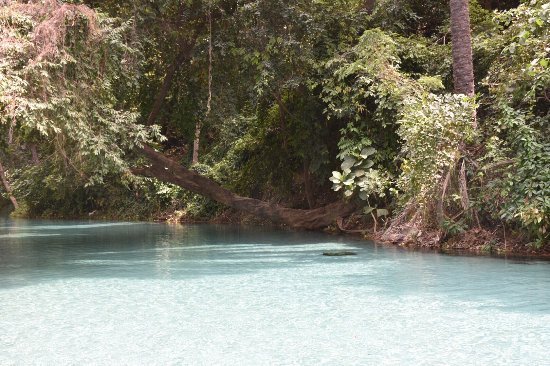
- Erin-Ijesha Waterfall (Olumirin Falls), Osun State: Locals believe the waterfall has spiritual significance, and even if you’re not superstitious, it’s easy to feel the deep connection between this place and the earth.
- Ikogosi Warm Springs (Ekiti State): This remarkable site is famous for its confluence of warm and cold springs, both flowing side by side without mixing — a phenomenon that continues to baffle scientists and fascinate travelers.
- Awhum Cave and Waterfall (Enugu State): The waterfall flows over a cliff into the cave, creating a natural spectacle that locals believe has healing powers. The Awhum Monastery nearby adds a layer of tranquility to the environment, making it a spiritual retreat as well as a nature lover’s paradise.
International Eco-Tourism Hotspots
If you are venturing abroad, consider these eco-friendly destinations:
- Costa Rica: This Central American country is the king of eco-tourism, with lush rainforests, volcanic landscapes, and wildlife sanctuaries. Stay in eco-lodges and try zip-lining through the jungle.
- Kenya: A safari in the Maasai Mara can be eco-friendly if you choose tour operators focused on conservation and community development.
- Iceland: From geothermal spas to glaciers, Iceland’s natural beauty is unmatched. Most accommodations are eco-certified, and renewable energy powers much of the country.
- Bali, Indonesia: Beyond the Instagram-famous beaches, Bali offers eco-villages, sustainable resorts, and lessons in waste management from local communities.
Tips for Eco-Friendly Travel
Whether you are staying local or heading overseas, here are practical ways to embrace eco-tourism for Nigerians:
- Pack Light and Smart: The less weight your luggage has, the less fuel is burned during transport. Also, carry reusable items like water bottles, cutlery, and shopping bags.
- Support Local: Instead of eating at global fast-food chains, enjoy meals at local restaurants. Shop for handmade souvenirs from artisans rather than imported items.
- Choose Eco-Accommodation: Look for hotels and lodges that prioritize sustainability. Many lists certifications for being energy-efficient or waste-conscious.
- Travel Slow: Instead of hopping from one destination to another in a rush, spend quality time in fewer places. You’ll reduce your travel emissions and gain deeper connections.
- Respect Wildlife: Avoid tours that exploit animals, and never feed or touch wildlife. Your Instagram photo isn’t worth harming the ecosystem.
Sustainable Travel Options
For Nigerians looking to keep their trips eco-conscious, here are some ideas:
- Use Public Transportation: If you are exploring urban areas, skip the taxi and take public transport. It is cheaper, better for the environment, and offers an authentic experience.
- Bike or Walk: Many eco-tourism hotspots provide biking or walking tours, a fun and environmentally friendly way to explore.
- Offset Your Carbon Footprint: If you are flying, invest in carbon offsets to balance out your emissions. Several airlines and organizations make this process simple.
- Volunteer Tourism: Combine travel with giving back. Whether it is teaching, conservation, or community development, volunteering is a rewarding way to leave a positive mark.
Discover top places to visit in Abuja
Safety Considerations for Nature Travel in Nigeria
Nature travel in Nigeria can be deeply rewarding. However, it requires informed planning and situational awareness. Eco-tourism destinations are often located in remote forest reserves, national parks, wetlands, or mountainous areas. This is because infrastructure, medical access, and security presence may be limited there.
In addition, travelers should prioritize verified destinations, use registered tour operators, and avoid independent exploration of unfamiliar forest trails without a licensed local guide. For instance, structured visits to parks such as Cross River National Park or Kainji Lake National Park are safer when coordinated through official park authorities or reputable eco-tour providers.
Key safety considerations include:
-
Security Research – Check current travel advisories and local security updates before visiting remote regions.
-
Use of Local Guides – Essential for wildlife zones, dense forests, and mountain terrain.
-
Health Precautions – Carry basic first-aid supplies, insect repellent, sunscreen, and any necessary medications. Malaria prevention is particularly important in forest and wetland areas.
-
Weather Awareness – The rainy season (April–October in many regions) can make forest trails slippery and rural roads difficult to access. The dry season (November–March) is generally safer for hiking and wildlife viewing.
-
Transport Planning – Use reliable vehicles, especially for parks located far from major cities. Four-wheel drive vehicles are advisable for certain terrains.
-
Emergency Preparedness – Inform someone of your itinerary, ensure your phone is charged, and consider offline maps due to limited network coverage in some reserves.
Estimated Budget for Eco-Tourism Trips (Low, Mid, Luxury)
The cost of eco-tourism in Nigeria is not the same. This depends on location, accommodation type, transportation mode, and activity level. Budget planning should account for transport, park entry fees, accommodation, feeding, local guides, and optional activities.
1. Low Budget (₦80,000 – ₦180,000 for 2–3 days)
This option suits students, solo travelers, or minimalists. It typically includes:
-
Public or shared transport to the destination
-
Budget guesthouses or basic lodges
-
Standard park entry fees
-
Simple local meals
Destinations like Erin-Ijesha Waterfalls or Idanre Hills are more affordable due to accessibility and lower accommodation costs.
2. Mid-Range Budget (₦200,000 – ₦450,000 for 2–4 days)
Ideal for couples, families, or comfort-seeking travelers. This usually covers:
-
Private car hire or domestic flight (where applicable)
-
Standard eco-lodges or resort stays
-
Guided park tours and boat rides
-
Moderate dining experiences
Trips to Okomu National Park or Kainji Lake National Park typically fall within this range.
3. Luxury Eco-Travel (₦500,000 – ₦1,500,000+ for 3–5 days)
This tier offers premium experiences such as:
-
Flights and private transfers
-
High-end mountain or eco-resort accommodation
-
Exclusive guided wildlife tours
-
Adventure add-ons (cable cars, premium safari drives)
A stay at Obudu Mountain Resort, especially during peak season, can fall into this category depending on accommodation class and activities selected.
Travelers should also budget for contingency expenses (10–15% extra) to account for fuel price fluctuations, seasonal rate changes, and optional excursions.
What to Pack for Eco-Tourism in Nigeria
Packing for eco-tourism in Nigeria should prioritize practicality, climate awareness, and environmental responsibility. Since most eco-sites involve outdoor activity, comfort and durability are essential.
Essential items include:
-
Lightweight, breathable clothing suitable for tropical climates.
-
Long-sleeved shirts and trousers for protection against insects in forest areas.
-
Sturdy hiking boots or trail shoes with good grip.
-
Reusable water bottle to reduce plastic waste.
-
Insect repellent and sunscreen for sun and mosquito protection.
-
Rain jacket or poncho during wet seasons.
-
Small backpack for daily excursions.
-
Power bank and flashlight/headlamp for areas with limited electricity.
-
Basic first aid kit including antiseptics and pain relief medication.
-
Eco-friendly toiletries to minimize environmental impact.
For wildlife parks and forest reserves, binoculars and a camera with extra batteries enhance the experience. For mountain destinations or cooler highland zones such as Obudu Mountain Resort, light sweaters or jackets are recommended due to lower temperatures at elevation.
Why Nigerians Should Care About Eco-Tourism
Climate change is not some abstract concept; it is affecting us here and now. Rising temperatures, flooding, and loss of biodiversity are global issues. Nevertheless, every step we take toward sustainable living makes a difference.
As Nigerian travelers, we have a unique opportunity to set an example. By embracing eco-tourism for Nigerians, we preserve our planet for future generations and show the world that African travelers can lead in responsible tourism.
Therefore, it does not matter if you are trekking through a forest, lounging by an eco-friendly beach resort, or sipping freshly brewed coffee in a local café. Remember, travel is not just about where you go but how you go. Let’s make our journeys count – for us, for the places we visit, and for the planet we all call home.

Welcome to my world! 🌟 I’m Clare, the proud founder of lovemeandtour.com website. I’m passionate about connecting people and helping them find love. Join me on this exciting journey and let’s spread love together! 🌟 #LoveMe #Travel #Passionate