




Northern Nigeria is one of the most culturally rich and historically significant regions in Africa. From ancient empires and UNESCO heritage sites to dramatic landscapes and vibrant festivals, the region offers experiences that go far beyond typical tourism. It is a place where tradition meets adventure, and every destination tells a story.
If you are a history lover, cultural explorer, or adventure seeker, Northern Nigeria has something that will leave a lasting impression. Let’s take a deeper, more practical look at the top things to do in Northern Nigeria, along with useful insights to help you plan better.
Contents
- 1 1. Exploring Yankari National Park – Wildlife and Nature at Its Best
- 2 2. Witness the Durbar Festival – A Royal Cultural Display
- 3 3. Visit the Kano City Walls – A Glimpse Into Ancient Civilization
- 4 4. Marvel at Zuma Rock – The Gateway to Abuja
- 5 5. Experience the Argungu Fishing Festival – Tradition Meets Competition
- 6 6. Stay at Kajuru Castle – A Unique Luxury Experience
- 7 7. Climb the Sukur Cultural Landscape – A UNESCO Heritage Treasure
- 8 8. Shop at Kurmi Market – A Historic Trading Hub
- 9 9. Discover Gurara Falls – Nature’s Power and Beauty
- 10 10. Taste Northern Nigerian Cuisine – A Flavorful Cultural Experience
- 11 Why Northern Nigeria Should Be on Your Travel List
- 12 FAQs About Visiting Northern Nigeria
1. Exploring Yankari National Park – Wildlife and Nature at Its Best
A visit to Yankari National Park is one of the most rewarding nature experiences in Nigeria. Located in Bauchi State, it is the country’s most famous wildlife park and one of the few places where you can see animals roaming freely in their natural habitat.
The park is home to elephants, baboons, antelopes, buffalo, and over 350 species of birds, making it ideal for both wildlife lovers and photographers. The highlight, however, is the Wikki Warm Springs, a naturally heated spring with clear, blue water that remains warm year-round. Visitors often swim here after long safari drives, creating a perfect blend of adventure and relaxation.
Game drives are best done early in the morning or late in the evening when animals are most active. Accommodation is available within the park, making it easy to spend a few days fully immersed in nature.
2. Witness the Durbar Festival – A Royal Cultural Display
The Durbar Festival is one of the most visually stunning cultural events in Africa. Held during major Islamic celebrations like Eid al-Fitr and Eid al-Adha, cities such as Kano, Katsina, and Zaria come alive with grand parades of horsemen dressed in elaborate traditional attire.
This is not just a festival—it is a display of history, power, and tradition. Emirs ride on beautifully decorated horses, accompanied by drummers, praise singers, and royal guards. The atmosphere is electric, filled with color, music, and cultural pride.
For tourists, Durbar offers a rare opportunity to witness centuries-old traditions still practiced today. It also provides insight into the legacy of Northern Nigeria’s ancient emirates.
3. Visit the Kano City Walls – A Glimpse Into Ancient Civilization
The Kano City Walls are among the most important historical landmarks in West Africa. Built between the 11th and 14th centuries, these walls once stretched over 14 kilometers and served as protection for the ancient city of Kano, one of the region’s oldest commercial centers.
Walking through parts of the remaining walls gives you a sense of the city’s historical importance in trans-Saharan trade. While in Kano, you can also explore nearby attractions like the Gidan Makama Museum and Kurmi Market, both of which deepen your understanding of Hausa culture and history.
4. Marvel at Zuma Rock – The Gateway to Abuja
Zuma Rock is one of Nigeria’s most recognizable natural landmarks. Rising about 725 meters above its surroundings, this massive monolith sits along the Abuja-Kaduna highway and is often referred to as the “Gateway to Abuja.”
Beyond its physical beauty, Zuma Rock carries cultural and spiritual significance. Many locals believe the rock has mystical powers, and its human-like facial features add to its mystery. Visitors often stop here for photography, sightseeing, and short hikes around the base.
It is especially stunning during sunrise and sunset when the lighting enhances its dramatic appearance.
5. Experience the Argungu Fishing Festival – Tradition Meets Competition
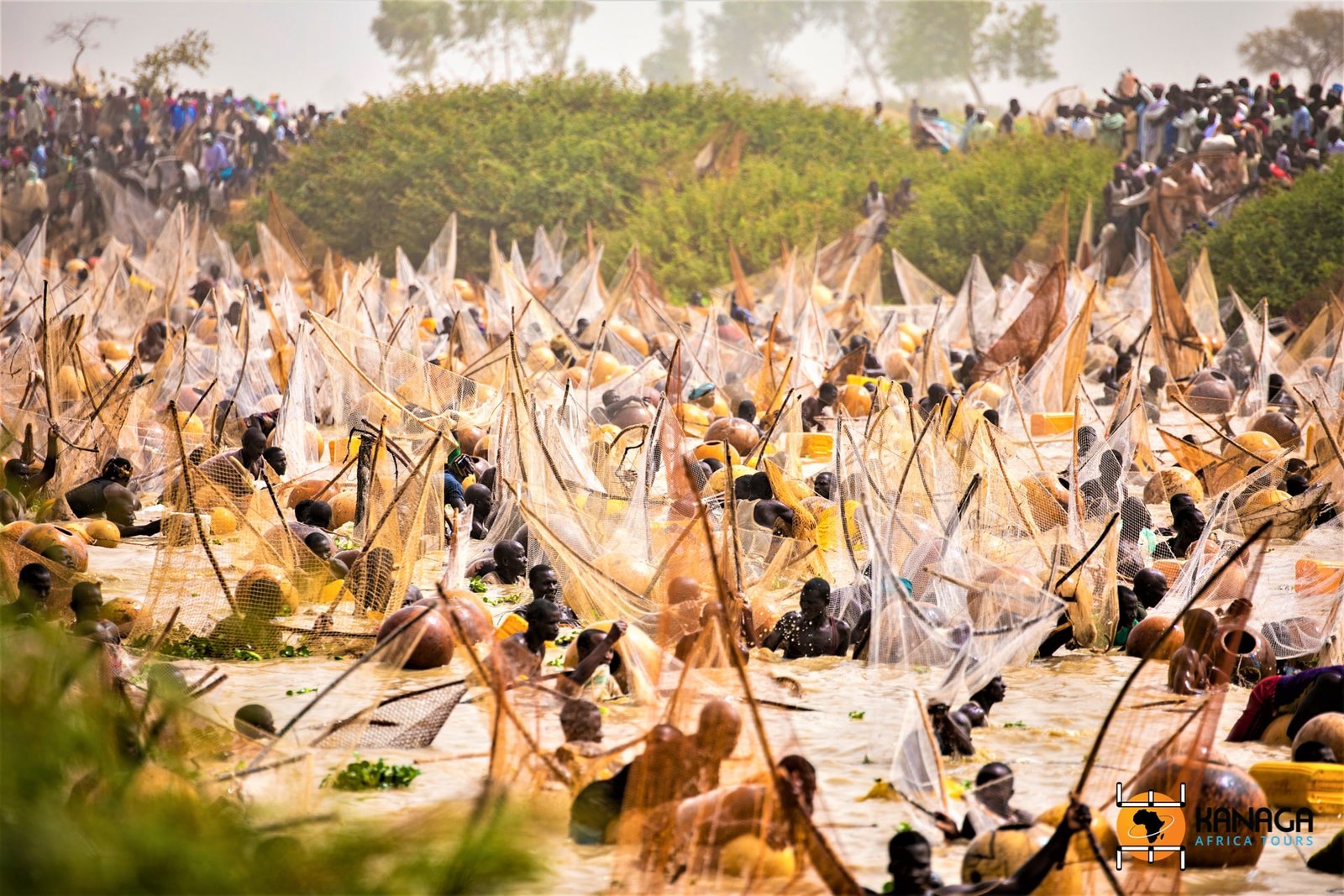
The Argungu Fishing Festival is one of the most unique cultural events in Nigeria. Held in Kebbi State, it attracts thousands of participants who compete to catch the largest fish using traditional methods—often with bare hands or simple nets.
The festival is more than just fishing. It includes cultural dances, music, wrestling, and boat races, turning it into a full cultural celebration. It also symbolizes peace and unity, historically marking the end of conflicts between communities.
Timing is important, as the festival does not hold every year, so checking ahead is essential before planning your trip.
6. Stay at Kajuru Castle – A Unique Luxury Experience
Kajuru Castle offers one of the most unusual travel experiences in Nigeria. Built in a medieval European style, complete with towers and a dungeon, the castle feels like something out of a fairy tale.
Located in Kaduna State, it is often used for private getaways, group retreats, and romantic escapes. Visitors can enjoy swimming, hiking, and panoramic views of the surrounding hills.
Because it operates on a reservation basis, booking ahead is essential. It is particularly popular among tourists looking for something different from the usual hotel experience.
7. Climb the Sukur Cultural Landscape – A UNESCO Heritage Treasure
The Sukur Cultural Landscape is Nigeria’s first UNESCO World Heritage Site and one of its most fascinating destinations. Located in Adamawa State, it features terraced farmlands, ancient stone structures, and the ruins of a once-thriving civilization.
Climbing the hills of Sukur rewards visitors with breathtaking views and a deeper appreciation of how communities lived centuries ago. The site also includes the Hidi’s Palace (chief’s residence), which still holds cultural significance today.
This destination is ideal for travelers interested in archaeology, history, and cultural exploration.
8. Shop at Kurmi Market – A Historic Trading Hub
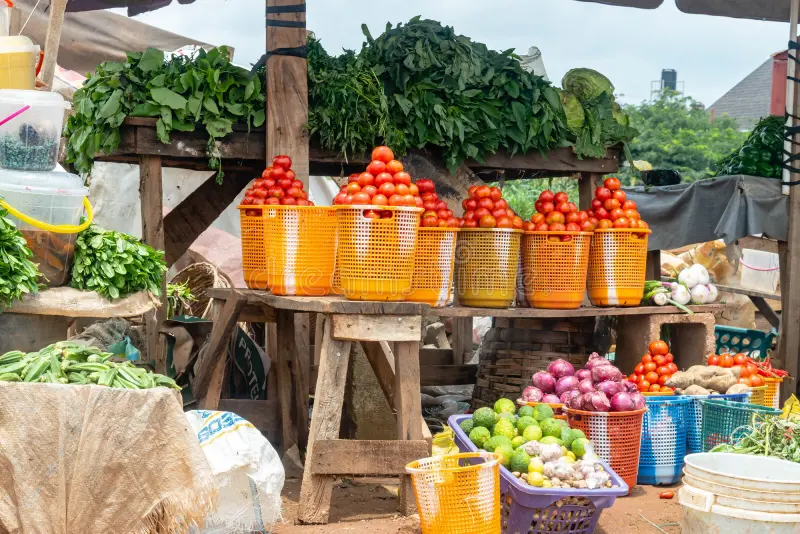
Kurmi Market is one of the oldest markets in Africa, dating back to the 15th century. It remains a major commercial hub where you can find leather goods, textiles, spices, and traditional crafts.
Walking through the market is an experience in itself. It offers a glimpse into centuries-old trading traditions that still thrive today. Bargaining is part of the culture, and interacting with traders adds to the authenticity of the visit.
9. Discover Gurara Falls – Nature’s Power and Beauty
Gurara Falls is one of the most beautiful waterfalls in Northern Nigeria. Located in Niger State, it becomes especially powerful during the rainy season when water cascades dramatically over the rocks.
The area is perfect for picnics, relaxation, and photography. During the dry season, the calmer waters make it safer for closer exploration, while the rainy season offers a more dramatic visual experience.
10. Taste Northern Nigerian Cuisine – A Flavorful Cultural Experience
Food is an essential part of Northern Nigeria’s identity. The region’s cuisine is known for its rich flavors and use of spices like ginger, cloves, and pepper.
Popular dishes include tuwo shinkafa, served with miyan kuka or miyan taushe, as well as suya, widely regarded as one of Nigeria’s most iconic street foods. Traditional drinks like kunu and fura da nono provide a refreshing complement to these meals.
Exploring local food is not just about eating—it is about understanding the culture and lifestyle of the people.
Why Northern Nigeria Should Be on Your Travel List
Northern Nigeria offers a unique blend of history, culture, nature, and adventure that is difficult to find anywhere else. The region’s ancient cities, cultural festivals, and natural landscapes create a travel experience that is both educational and exciting.
It is also a place where hospitality stands out. Visitors often find themselves welcomed warmly, making their journey even more memorable.
FAQs About Visiting Northern Nigeria
Is Northern Nigeria safe for tourists?
Some parts are safe for tourism, especially well-known destinations like Abuja, Kano (with guidance), and Bauchi. However, it is important to check current travel advisories and work with local guides when necessary.
What is the best time to visit Northern Nigeria?
The best time is during the dry season (November to March), when the weather is cooler and more suitable for travel and outdoor activities.
How many days do you need to explore Northern Nigeria?
A well-planned trip of 5–10 days can cover major attractions across different states, depending on your itinerary.
What should I pack for a trip to Northern Nigeria?
Light clothing, comfortable shoes, sunscreen, and modest outfits (especially in conservative areas) are recommended.
Final Thoughts
Northern Nigeria is not just a destination—it is an experience filled with stories, traditions, and unforgettable sights. From the wildlife of Yankari to the cultural brilliance of Durbar and the historical depth of Kano, every moment spent here is meaningful.
If you are looking for something beyond the usual travel experience, Northern Nigeria is waiting to be explored.

Welcome to my world! 🌟 I’m Clare, the proud founder of lovemeandtour.com website. I’m passionate about connecting people and helping them find love. Join me on this exciting journey and let’s spread love together! 🌟 #LoveMe #Travel #Passionate