







Studying abroad is more than earning a certificate or adding an international university to your résumé. It is a journey of exposure, transformation, and cultural discovery.
For Nigerian students pursuing education overseas, cultural education plays a powerful role in shaping the full study-abroad experience. It connects classroom learning with real-world understanding. It turns everyday interactions into lessons. Most importantly, it helps you grow into a global citizen while remaining proudly Nigerian.
In this comprehensive guide, we’ll explore what cultural education truly means, why it matters for Nigerian students abroad, how to engage meaningfully, and how the experience benefits both you and Nigeria in the long run.
Contents
- 1 What Is Cultural Education?
- 2 Why Cultural Education Matters for Nigerian Students Abroad
- 3 Practical Opportunities for Cultural Education Abroad
- 4 Common Challenges Nigerian Students Face — And How to Handle Them
- 5 How Cultural Education Benefits Nigeria
- 6 Frequently Asked Questions (FAQs)
- 6.1 What is the difference between cultural education and academic education?
- 6.2 Is cultural education important for career growth?
- 6.3 How can Nigerian students balance cultural integration and cultural identity?
- 6.4 What should I do if I experience discrimination abroad?
- 6.5 Can cultural education improve leadership skills?
- 7 Final Thoughts
What Is Cultural Education?
Cultural education goes beyond textbooks and lecture halls. It involves learning about the traditions, beliefs, values, customs, communication styles, and social norms of different societies.
For Nigerian students abroad, cultural education is a two-way exchange:
-
Learning from your host country – understanding their history, language, social structure, work ethic, and traditions.
-
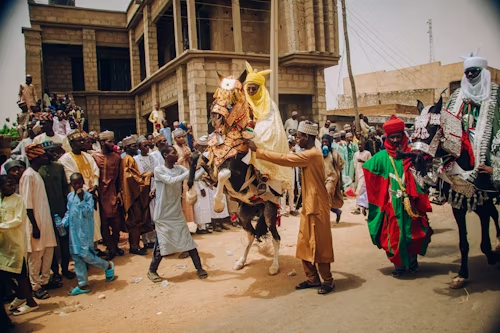
Sharing Nigerian culture – introducing others to Nigeria’s food, music, fashion, festivals, innovation, and diversity.
Cultural education happens when:
-
You attend local festivals.
-
You join student associations.
-
You explain the meaning behind Nigerian names.
-
You learn why punctuality is strict in some countries.
-
You cook jollof rice for international classmates.
It is lived experience — not just academic theory.
Why Cultural Education Matters for Nigerian Students Abroad
1. Building Cross-Cultural Understanding
We live in a globally connected world. Companies operate across borders. Friendships span continents. Ideas move faster than ever.
When a Nigerian student studies in Japan, for example, they may observe cultural values like discipline, minimalism, and respect for hierarchy. At the same time, they introduce classmates to Nigerian warmth, storytelling traditions, and expressive communication styles.
These exchanges:
-
Break stereotypes
-
Reduce prejudice
-
Encourage empathy
-
Promote global harmony
Cultural education helps you see people as individuals, not assumptions.
2. Expanding Your Worldview
Exposure changes perspective.
A Nigerian student studying in Canada may experience structured public systems and long winter seasons. Someone studying in the United States may encounter fast-paced campus culture and classroom participation styles that differ from Nigerian norms.
These experiences stretch your thinking. You begin to:
-
Compare systems constructively
-
Appreciate differences
-
Question previously held assumptions
-
Develop independent perspectives
That mental flexibility becomes a lifelong asset.
3. Personal Growth and Emotional Intelligence
Living in a new culture challenges you in subtle ways:
-
Communication styles may differ.
-
Humor may not translate.
-
Social cues may be unfamiliar.
-
Weather and food may require adjustment.
Navigating these differences builds:
-
Adaptability
-
Patience
-
Emotional intelligence
-
Conflict resolution skills
-
Self-confidence
Cultural education strengthens your character, not just your résumé.
Practical Opportunities for Cultural Education Abroad
Cultural learning does not happen automatically. You must participate actively.
1. Cultural Exchange Programs
Many universities host international days or cultural weeks where students showcase their heritage.
As a Nigerian student, you can:
-
Wear traditional attire like agbada, ankara, or gele
-
Explain the cultural symbolism behind clothing
-
Prepare dishes such as jollof rice, pounded yam, or akara
-
Share music from Afrobeats artists
-
Teach simple Nigerian greetings
These moments create meaningful impressions and spark curiosity about Nigeria.
2. Join International or African Student Associations
Most universities abroad have:
-
African student unions
-
Nigerian student associations
-
Multicultural clubs
Participating helps you:
-
Build community
-
Celebrate Nigerian Independence Day abroad
-
Host cultural nights
-
Network professionally
These organizations also ease homesickness and provide support systems.

3. Enroll in Multicultural or Global Studies Courses
Many institutions offer electives in:
-
Global history
-
World religions
-
International politics
-
Cultural anthropology
These courses deepen your understanding of both your host country and Nigeria’s place in the global context.
4. Immerse Yourself in Local Culture
Cultural education requires curiosity.
You can:
-
Volunteer in community programs
-
Explore traditional neighborhoods
If studying in Germany, you might observe structured waste management systems. If studying in India, you might explore spiritual traditions like yoga and meditation.
Each experience adds depth to your worldview.
Common Challenges Nigerian Students Face — And How to Handle Them
1. Culture Shock
Culture shock is normal. It may show up as:
-
Loneliness
-
Frustration
-
Confusion
-
Withdrawal
Cold winters in Canada or different food options in Europe can feel overwhelming initially.
How to cope:
-
Stay connected to Nigerian communities
-
Give yourself time to adjust
-
Maintain familiar routines
-
Seek campus counseling services if needed
Adjustment takes patience.
2. Stereotypes and Misconceptions
Some people may have limited or inaccurate knowledge about Nigeria. You might encounter questions based on outdated assumptions.
Respond with:
-
Patience
-
Facts
-
Personal stories
-
Confidence
Sharing Nigeria’s diversity — from tech innovation to literature and music — helps reshape perceptions.
3. Homesickness
Missing family, food, and familiar environments is natural.
Practical solutions include:
-
Cooking Nigerian meals
-
Celebrating Nigerian holidays abroad
-
Calling family regularly
-
Decorating your space with familiar items
Cultural education does not mean abandoning your roots. It means expanding them.
How Cultural Education Benefits Nigeria
When Nigerian students return home, they bring back more than degrees.
They bring:
-
Broader perspectives
-
Exposure to efficient systems
-
Cross-cultural communication skills
-
Global professional networks
For example:
-
Observing recycling systems in Germany may inspire environmental advocacy.
-
Experiencing structured campus administration in the UK may inspire educational reform ideas.
-
Learning about innovation ecosystems abroad may encourage tech entrepreneurship at home.
Students become informal ambassadors who strengthen international understanding.
Frequently Asked Questions (FAQs)
What is the difference between cultural education and academic education?
Academic education focuses on formal coursework and degrees. Cultural education involves learning through lived experiences, social interactions, and immersion in new environments.
Is cultural education important for career growth?
Yes. Employers value cultural awareness, adaptability, and global communication skills. These competencies are often developed through international exposure.
How can Nigerian students balance cultural integration and cultural identity?
By participating in local activities while maintaining Nigerian traditions. You can celebrate Nigerian holidays, cook traditional meals, and stay connected to home while embracing new experiences.
What should I do if I experience discrimination abroad?
Stay calm and document incidents. Report serious concerns to university authorities or relevant support offices. Seek guidance from Nigerian student associations or embassy representatives when necessary.
Can cultural education improve leadership skills?
Absolutely. Exposure to diverse viewpoints enhances empathy, communication, and decision-making — all essential leadership traits.
Final Thoughts
Studying abroad is not just an academic milestone. It is a transformative life experience.
For Nigerian students, cultural education provides the opportunity to:
-
Learn from other societies
-
Challenge stereotypes
-
Represent Nigeria positively
-
Build international networks
-
Grow personally and professionally
You are not just a student abroad. You are a cultural ambassador.
Embrace new experiences. Share your story. Learn with humility. Represent with pride.
And when you return home, bring back not only your degree, but the wisdom, perspective, and cultural insight that make true global citizens.

Welcome to my world! 🌟 I’m Clare, the proud founder of lovemeandtour.com website. I’m passionate about connecting people and helping them find love. Join me on this exciting journey and let’s spread love together! 🌟 #LoveMe #Travel #Passionate