







When you hear the word “Suya,” your taste buds probably tingle in anticipation of smoky, spicy, sizzling beef grilled to perfection. But Suya is more than food—it’s an identity, a culture, and a lifestyle. While Suya is loved across Nigeria, Suya culture in Northern Nigeria stands out as the birthplace and epicenter of this delicious street delicacy.
From the bustling streets of Kano to the lively evenings of Kaduna, Suya transcends being just grilled meat—it represents tradition, innovation, and community bonding.
In this post, we’ll take a long, flavorful journey into Suya culture in Northern Nigeria. We’ll explore its origins, the legendary Hausa Mallams who have perfected it, the spice blend that makes it magical, the rituals of eating Suya, and how this humble street food has turned into a nationwide obsession. So grab a seat (and maybe a cold drink), because this ride is going to be smoky, spicy, and oh-so-satisfying.
Contents
- 1 The Origins of Suya Culture in Northern Nigeria
- 2 The Legendary Mai Suya
- 3 Yaji: The Magical Suya Spice
- 4 Types of Suya in Northern Nigeria
- 5 The Ritual of Eating Suya
- 6 Suya and Social Life in Northern Nigeria
- 7 The Economic Importance of Suya
- 8 Suya vs. Barbecue: The Eternal Debate
- 9 Modern Innovations in Suya
- 10 Suya Tourism: A Cultural Attraction
- 11 Challenges Facing Suya Culture
- 12 Why Suya Culture in Northern Nigeria Matters
- 13 Conclusion
The Origins of Suya Culture in Northern Nigeria
Suya, believed to have originated from the Hausa people of Northern Nigeria, has deep cultural roots. For centuries, the Hausa have been cattle herders, which made beef a central part of their diet. Grilling meat over open flames was a practical, tasty way to preserve and enjoy it. Over time, what started as a simple way of roasting meat evolved into a culinary art form.
Suya culture in Northern Nigeria is tightly bound to tradition. It is not merely food; it’s storytelling around fire, it’s brotherhood, it’s evening relaxation after a long day. It’s also a source of livelihood for countless men known as “Mai Suya” (Suya sellers) who have carried this craft for generations.
Today, if you visit Northern cities like Kano, Sokoto, Maiduguri, or Bauchi, you’ll find Suya spots on nearly every major street corner, with smoke rising into the night sky, attracting customers like moths to a flame.
The Legendary Mai Suya
One cannot talk about Suya culture in Northern Nigeria without acknowledging the guardians of this tradition: the Mai Suya. These men are more than street vendors; they are custodians of secret recipes passed down through generations.
A typical Mai Suya is a master of fire control, knife skills, and spice balance. Watch closely, and you’ll see him slice beef into thin, even strips, season them with a carefully guarded blend of spices known as “Yaji,” and grill them over open charcoal flames. His hands move with the speed and confidence of someone who has done this for years.
For many locals, the relationship with their Mai Suya is personal. People often have a “trusted Suya spot” and will insist that no other vendor can match “their guy’s” flavor. It’s almost like having a barber—you don’t just go to anyone.
Yaji: The Magical Suya Spice
Now, let’s get into the secret behind the irresistible flavor of Suya—the spice blend. Yaji is not your average seasoning. It’s a fiery mixture of groundnut powder, dried chili peppers, ginger, garlic, onion powder, salt, Maggi (seasoning cubes), and sometimes even cloves or nutmeg.
This blend gives Suya its characteristic smoky, nutty, and spicy kick. The groundnut powder is especially important, coating the meat in a layer that both preserves moisture and delivers crunch. But here’s the thing: no two Mai Suyas make Yaji exactly the same. Each one tweaks the blend slightly, which is why people argue endlessly about who makes the “best Suya” in town.
Some Suya lovers also dip their freshly roasted meat into extra Yaji after buying it. But be warned—if you’re not used to spicy food, one careless dip may have you searching for water like a thirsty traveler in the Sahara.
Types of Suya in Northern Nigeria
While beef Suya remains the most popular, Suya culture in Northern Nigeria has expanded to include a wide variety of grilled meats. Some popular types include:
- Beef Suya – The classic, thinly sliced, spiced beef grilled to perfection.
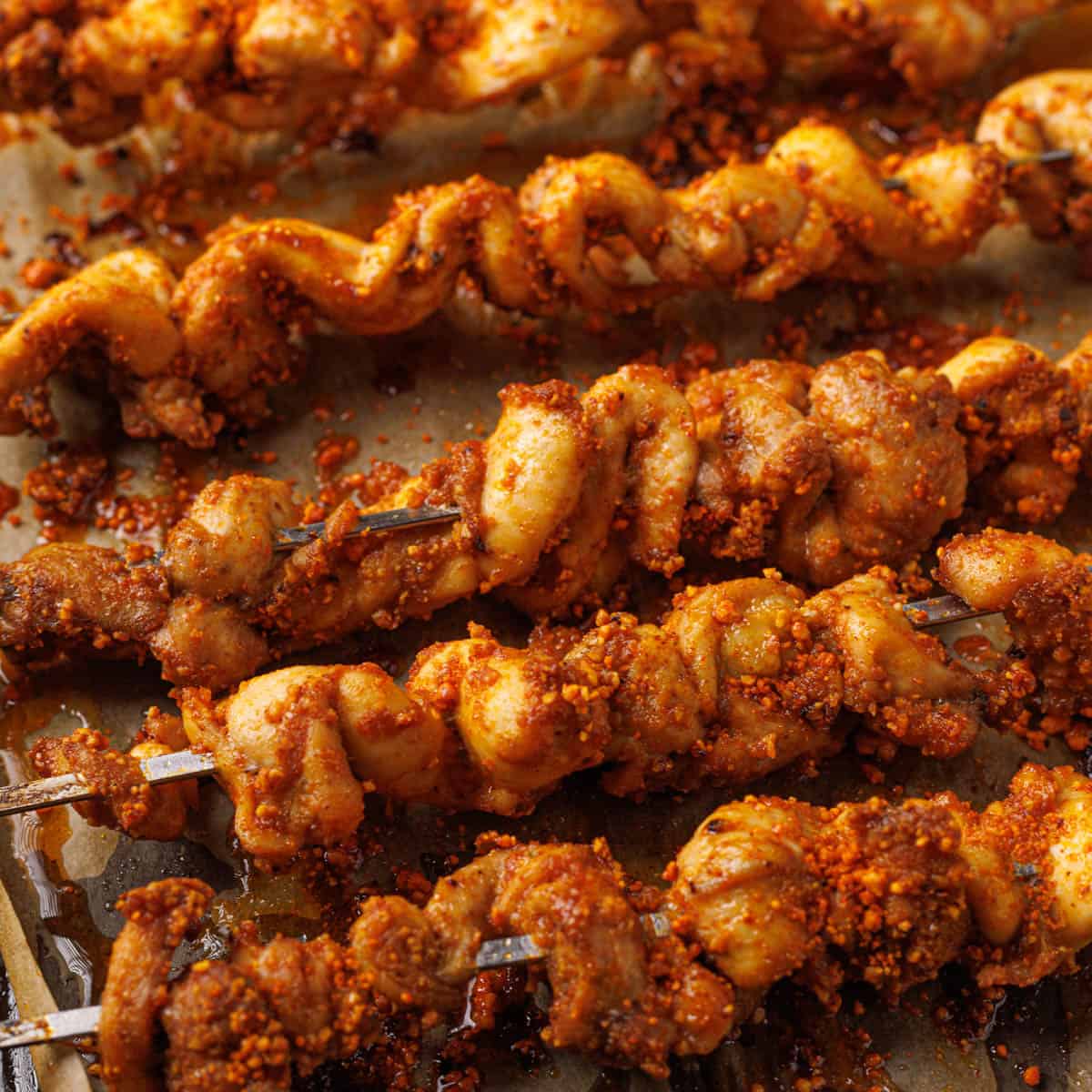
- Chicken Suya – Juicy chicken pieces marinated in Yaji, offering a softer bite.
- Ram Suya – A special favorite during festive seasons like Eid.
- Liver Suya (Tsire Alewa) – Slightly chewy but loved for its bold flavor.
- Intestine Suya (Tsire Kifi) – For adventurous eaters who enjoy organ meats.
- Kilishi – Often called the “beef jerky” of Nigeria, it’s dried, spiced meat that lasts longer and is perfect for travelers.
Each type has its own loyal fan base. Some people swear by chicken Suya’s tenderness, while others argue that beef Suya remains king.


The Ritual of Eating Suya
Suya is not just eaten; it’s experienced. And in Northern Nigeria, there’s a ritual around it. Typically, Suya is served on sheets of old newspaper or brown paper, cut into bite-sized chunks with sharp knives, and topped generously with raw onions, fresh tomatoes, and sometimes cabbage.
Friends and family gather around the Suya paper, using toothpicks—or in many cases, bare hands—to pick and eat directly from the pile. Conversations flow, laughter fills the air, and cold drinks (Zobo, Fura da Nono, or soda) accompany the spicy feast.
One interesting thing is that Suya is usually eaten at night. In many Northern Nigerian cities, evenings don’t feel complete without the sight and smell of Suya vendors fanning charcoal flames while hungry customers wait their turn.
Suya and Social Life in Northern Nigeria
Suya plays a big role in social bonding. It’s the snack you buy when hanging out with friends after work, the treat you share while watching a football match, and the peace offering you bring home after staying out too late.
Suya culture in Northern Nigeria also thrives in its communal atmosphere. Buying Suya is never a solitary activity; you almost always find people clustering around the vendor, bargaining, joking, and making small talk. It’s a social equalizer—whether you’re rich, middle-class, or struggling, everyone eats Suya.
Recommended: Top 10 Things to Do in Northern Nigeria
The Economic Importance of Suya
Beyond being a cultural symbol, Suya has a major economic impact in Northern Nigeria. Thousands of Mai Suyas depend on this business to feed their families, send their children to school, and build better lives. Suya spots also employ assistants who help with slicing onions, serving customers, or fanning the flames.
Because of its popularity, Suya has become an entire industry. From spice grinders who produce Yaji in bulk, to cattle farmers who supply beef, to cold drink sellers who set up shop next to Suya joints, many livelihoods revolve around this culture.
Suya vs. Barbecue: The Eternal Debate
Sometimes people try to compare Suya with Western barbecue. While both involve grilling meat, Suya is in a league of its own. The thin slices, the Yaji spice, the communal eating style, and the late-night ritual set it apart. If barbecue is a family picnic in the park, Suya is a Friday night block party in the streets of Kano.
Modern Innovations in Suya
Though rooted in tradition, Suya culture in Northern Nigeria has not remained stagnant. Today, you can find Suya incorporated into modern cuisine—Suya burgers, Suya shawarma, Suya pizza, and even Suya-infused pasta. Restaurants across Nigeria are putting creative spins on it, but purists will tell you nothing beats the classic Suya-on-paper under a streetlight.
Suya Tourism: A Cultural Attraction
Believe it or not, Suya has become a tourist attraction. Visitors to Nigeria are often introduced to Suya as part of their cultural immersion. Many tourists rave about their first bite of hot, spicy Suya and sometimes take Yaji spice home as souvenirs. In fact, no culinary tour of Nigeria is complete without exploring Suya culture in Northern Nigeria.
Challenges Facing Suya Culture
Like any traditional food practice, Suya faces challenges:
- Health concerns: Street Suya may sometimes raise concerns about hygiene, especially with open-air preparation.
- Modern fast food competition: With the rise of fried chicken chains and shawarma spots, Suya vendors face increasing competition.
- Supply issues: The cost of beef has been rising, making it harder for Mai Suyas to maintain affordable prices.
Still, despite these challenges, Suya continues to thrive because its cultural value far outweighs the competition.
Why Suya Culture in Northern Nigeria Matters
Suya is more than meat on a stick—it’s heritage. It reflects Northern Nigeria’s creativity, resilience, and communal spirit. In every slice of beef dipped in Yaji, there is history. In every gathering around a Suya stand, there is unity. And in every satisfied smile after a spicy bite, there is proof that food can be more than sustenance—it can be identity.
Conclusion
Exploring Suya culture in Northern Nigeria is like taking a journey into the heart of Nigerian street food tradition. It’s a culture steeped in history, carried by skilled Mai Suyas, flavored with the magical Yaji spice, and sustained by the love of communities. Whether you’re a first-time visitor or a lifelong fan, Suya is not just food—it’s an experience, a symbol of togetherness, and a timeless culinary treasure.
So the next time you find yourself in Northern Nigeria, follow the smoky trail of charcoal grills, listen for the sizzling sound of beef hitting flames, and treat yourself to an unforgettable piece of Nigeria’s culture—Suya.

Welcome to my world! 🌟 I’m Clare, the proud founder of lovemeandtour.com website. I’m passionate about connecting people and helping them find love. Join me on this exciting journey and let’s spread love together! 🌟 #LoveMe #Travel #Passionate