





Abuja, the capital city of Nigeria, stands out as one of the most organized and visually appealing cities in West Africa. Unlike the fast-paced chaos of Lagos, Abuja offers a more relaxed atmosphere, defined by wide roads, structured districts, and a blend of modern architecture with natural landscapes. It is a city where government buildings sit side-by-side with parks, hills, lakes, and cultural centers.
For tourists, Abuja delivers a balanced experience. Whether you are interested in sightseeing, relaxation, cultural exploration, or outdoor adventure, the city provides a wide range of attractions that cater to different travel styles and budgets. From iconic landmarks to hidden natural escapes, here is a detailed guide to the top places to visit in Abuja, including what to expect and how much you may spend.
Contents
- 0.1 1. Aso Rock – The Symbol of Nigeria’s Power
- 0.2 2. Millennium Park – Abuja’s Green Escape
- 0.3 3. National Mosque Abuja – Architectural Beauty and Spiritual Significance
- 0.4 4. Jabi Lake – Leisure, Water Activities, and Entertainment
- 0.5 5. Usuma Dam – A Hidden Natural Retreat
- 0.6 6. National Children’s Park and Zoo – Family-Friendly Fun
- 0.7 7. Gurara Falls – A Day Trip Worth Taking
- 0.8 8. Nike Art Gallery Abuja – A Cultural Experience
- 0.9 9. Abuja Arts and Crafts Village – Local Shopping and Culture
- 0.10 10. IBB International Golf and Country Club – Relaxation and Luxury
- 1 Practical Tips for Visiting Abuja
- 2 Frequently Asked Questions (FAQs)
- 3 Final Thoughts
1. Aso Rock – The Symbol of Nigeria’s Power
A visit to Abuja is incomplete without seeing Aso Rock, the massive granite monolith that dominates the city’s skyline. Rising about 400 meters above sea level, this natural formation is one of Nigeria’s most recognizable landmarks and sits close to key government institutions, including the Presidential Villa and National Assembly.
While tourists are not allowed to climb the rock itself due to security restrictions, you can explore areas around its base and take stunning photographs from nearby viewpoints. Early mornings and late afternoons are the best times to visit, as the lighting enhances the rock’s dramatic presence.
There is no official entrance fee to view Aso Rock from public areas, making it a free but highly rewarding experience. For photography lovers and first-time visitors, it offers a powerful introduction to Abuja’s identity.
2. Millennium Park – Abuja’s Green Escape
Millennium Park is the largest public park in Abuja and one of the most peaceful places in the city. Located in the Maitama district, it provides a refreshing break from urban life with its open green spaces, shaded walkways, and well-maintained gardens.
Visitors often come here for picnics, casual walks, or quiet relaxation. On weekends, the park becomes livelier, with families, couples, and groups gathering for social activities. Despite its popularity, it rarely feels overcrowded due to its spacious layout.
Entry to Millennium Park is free, although you may spend between ₦2,000 and ₦5,000 on snacks, drinks, or picnic items. It is an ideal destination for travelers looking for a calm and budget-friendly outing.
3. National Mosque Abuja – Architectural Beauty and Spiritual Significance
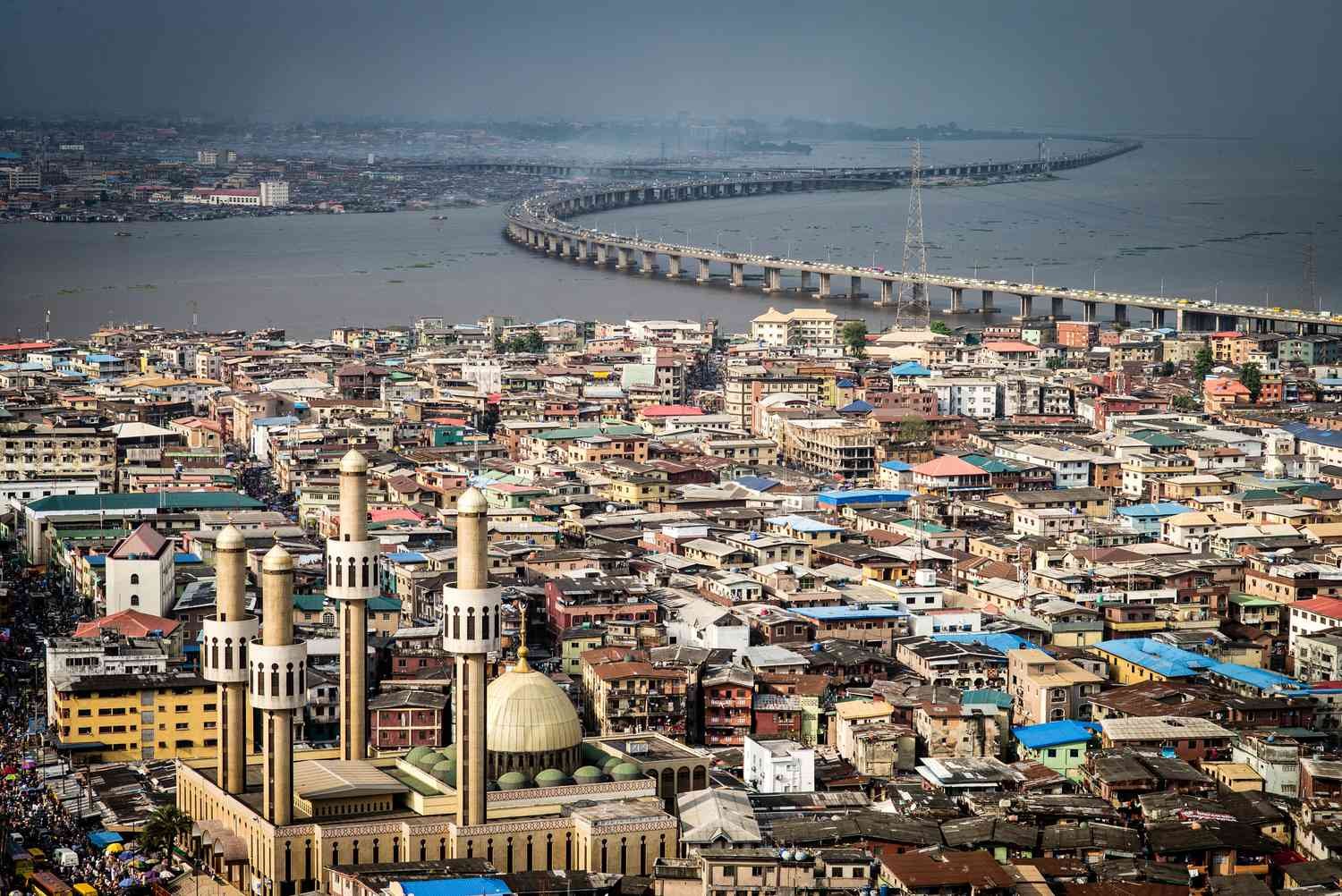
The National Mosque, also known as the Nigerian National Mosque, is one of Abuja’s most iconic structures. Its golden dome, towering minarets, and detailed architectural design make it a standout attraction in the city.
Although the mosque is primarily a place of worship, visitors are welcome outside prayer times to admire its design and learn about its cultural significance. Modest dressing is required, and access to certain areas may be restricted to Muslims.
There is no entrance fee, but guided tours—if arranged—may cost between ₦5,000 and ₦10,000. Even from the outside, the mosque offers excellent photo opportunities and insight into Nigeria’s religious diversity.
4. Jabi Lake – Leisure, Water Activities, and Entertainment
Jabi Lake is one of Abuja’s most versatile tourist destinations, combining nature with modern leisure. The lake itself is perfect for relaxation, offering scenic views and a calm environment, while the nearby Jabi Lake Mall adds a touch of urban entertainment.
Visitors can enjoy boat rides, jet skiing, or simply sit by the waterfront and unwind. Boat rides typically cost between ₦5,000 and ₦15,000 depending on duration, while dining at the mall can range from ₦5,000 to ₦20,000 per person.
This location is especially popular with couples and young travelers because it combines sightseeing, shopping, and dining in one place.
5. Usuma Dam – A Hidden Natural Retreat
Located slightly outside the city center, Usuma Dam offers a quiet escape into nature. Surrounded by hills and open landscapes, it is a favorite spot for picnics, photography, and peaceful reflection.
Unlike more commercial attractions, Usuma Dam remains relatively untouched, giving visitors a more authentic outdoor experience. It is advisable to visit during daylight hours and, if possible, go with a group for safety.
There is usually no fixed entrance fee, but transportation to the location may cost between ₦5,000 and ₦15,000, depending on your starting point.
6. National Children’s Park and Zoo – Family-Friendly Fun
For families traveling with children, the National Children’s Park and Zoo offers a mix of entertainment and education. The zoo houses animals such as lions, monkeys, and birds, while the adjoining park provides playgrounds and picnic areas.
Entry fees are relatively affordable, typically ranging from ₦500 to ₦2,000 per person. Additional spending on snacks and activities may bring the total to around ₦5,000–₦10,000 for a family outing.
It is a great place to introduce children to wildlife while enjoying a relaxed outdoor environment.
7. Gurara Falls – A Day Trip Worth Taking
Located about an hour’s drive from Abuja in Niger State, Gurara Falls is one of the most beautiful natural attractions near the capital. The waterfall is particularly impressive during the rainy season when the water flow is at its peak.
Visitors can explore the surrounding rocks, take photos, or simply enjoy the sound and sight of cascading water. Entry fees usually range from ₦1,000 to ₦2,000, while transportation costs may be between ₦10,000 and ₦25,000, depending on your travel arrangement.
This destination is perfect for adventure seekers and nature lovers looking to go beyond the city.
8. Nike Art Gallery Abuja – A Cultural Experience
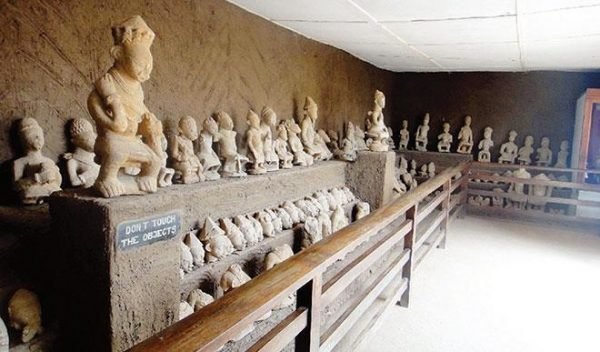
The Nike Art Gallery in Abuja is a must-visit for anyone interested in Nigerian art and culture. The gallery features a wide collection of paintings, sculptures, and traditional crafts that showcase the country’s artistic diversity.
Entry is free, but visitors often purchase artworks or souvenirs, which can range from ₦5,000 to several hundred thousand naira depending on the item. Beyond shopping, the gallery provides an opportunity to learn about Nigeria’s creative heritage in an engaging environment.
9. Abuja Arts and Crafts Village – Local Shopping and Culture
This vibrant market is one of the best places in Abuja to buy handmade Nigerian products. From beadwork and fabrics to carvings and jewelry, the Arts and Crafts Village offers a wide range of items that reflect the country’s cultural diversity.
Prices vary widely, but bargaining is expected. You can find souvenirs for as low as ₦2,000, while more detailed artworks may cost significantly more. The experience goes beyond shopping, as visitors can interact with artisans and learn about their craft.
10. IBB International Golf and Country Club – Relaxation and Luxury
For those seeking a more upscale experience, the IBB Golf Club provides a serene and well-maintained environment. Even if you are not a golfer, the peaceful setting and clubhouse facilities make it a great place to relax.
Access may require a guest pass or membership, and fees can range from ₦10,000 to ₦50,000 depending on the activity. It is ideal for travelers who want a quiet, premium experience.
Practical Tips for Visiting Abuja
When planning your trip, it is important to consider logistics and daily expenses. Transportation within Abuja is relatively easy, with ride-hailing services like Bolt and Uber widely available. Short trips typically cost between ₦2,000 and ₦6,000, depending on distance.
Food is also quite affordable, with local meals costing around ₦2,000–₦5,000, while dining at upscale restaurants may range from ₦10,000 to ₦25,000 per person. The best time to visit Abuja is during the dry season (November to March), when the weather is more predictable and suitable for outdoor activities.
Frequently Asked Questions (FAQs)
What are the best places to visit in Abuja for first-time visitors?
Top recommendations include Aso Rock, Millennium Park, and Jabi Lake.
Is Abuja expensive for tourists?
Abuja can be moderate to expensive depending on your lifestyle, but budget-friendly options are available for accommodation, food, and transport.
How many days are enough to explore Abuja?
A 2–4 day trip is usually enough to cover major attractions and enjoy the city.
Final Thoughts
Abuja offers a unique travel experience that combines modern infrastructure with natural beauty and cultural depth. Whether you are exploring iconic landmarks like Aso Rock, relaxing at Jabi Lake, or discovering local art and markets, the city provides a well-rounded experience for every type of traveler.
With proper planning and an open mind, Abuja is not just a destination—it is an experience that leaves a lasting impression.

Welcome to my world! 🌟 I’m Clare, the proud founder of lovemeandtour.com website. I’m passionate about connecting people and helping them find love. Join me on this exciting journey and let’s spread love together! 🌟 #LoveMe #Travel #Passionate