




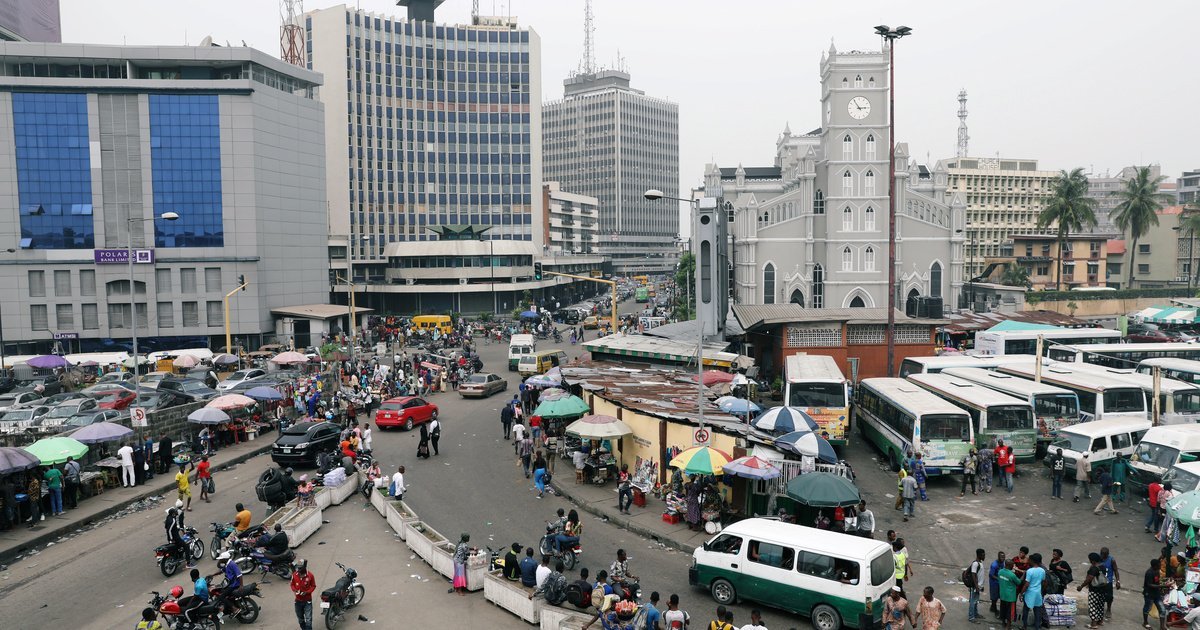
If you want to migrate to the US from Nigeria, this is for you.
The idea of moving to the United States continues to appeal to many Nigerians—and for good reason. From global career opportunities to world-class education and infrastructure, the country offers pathways that can significantly improve long-term prospects when approached with the right information and planning.
This guide presents a clear, research-based breakdown of why Nigerians consider the US the most practical migration route, and what to expect realistically. So, if you plan to migrate to the US from Nigeria, this is it:
Contents
Why Nigerians Consider Migrating to the United States
Migration decisions are rarely random; tangible benefits and long-term goals drive them. The United States stands out in several key areas.
Economic Opportunities and Career Growth
The U.S. has one of the largest and most diverse economies in the world. Major hubs like Silicon Valley and Wall Street drive innovation in technology, finance, healthcare, and entertainment. For skilled professionals, this translates into access to better-paying jobs, structured career paths, and exposure to global markets.
For entrepreneurs, the U.S. provides access to funding, business-friendly policies, and a large consumer base, making it easier to scale ideas into profitable ventures.
Access to World-Class Education
The U.S. is home to globally recognized institutions such as Harvard University, Stanford University, and Massachusetts Institute of Technology. These institutions offer cutting-edge research opportunities, strong alumni networks, and degrees that are respected worldwide.
For Nigerian students, studying in the U.S. is not just about education—it is often a strategic pathway to international career opportunities.
Quality of Life and Infrastructure
Many migrants are drawn by the reliability of basic infrastructure—steady electricity, efficient transport systems, and access to healthcare services. While the cost of living can be high, these systems contribute to a more predictable and structured daily life.
Cultural Diversity and Community
The U.S. is one of the most culturally diverse countries in the world. Cities like Houston, Atlanta, and New York City have vibrant Nigerian communities, making it easier for newcomers to settle, find familiar food, and build social networks. This is one reason to migrate to the US from Nigeria.
Most Practical Ways to Migrate to the US from Nigeria
There is no single “easy” route to migrate to the US from Nigeria, but several structured pathways exist depending on your qualifications, finances, and personal circumstances.
1. Diversity Visa Lottery (Green Card Lottery)
The Diversity Visa (DV) program is one of the most accessible pathways because it does not require a job offer or family sponsorship.
Applicants submit entries through the official U.S. government portal, and winners are selected randomly. Successful applicants receive permanent residency (a Green Card), allowing them to live and work in the U.S.
However, it is important to understand that:
- Selection is purely random
- Millions apply annually, making it highly competitive
- No agent can guarantee success
2. Family-Based Immigration
If you have close relatives who are U.S. citizens or permanent residents, they may sponsor your migration.
Immediate relatives—such as spouses, parents, and unmarried children under 21—usually have faster processing times. Extended family categories, such as siblings, may take several years due to visa backlogs.
3. Student Visa (F-1)
Studying in the U.S. remains one of the most structured and reliable routes to migrate to the US from Nigeria.
The process involves:
- Securing admission into an accredited institution
- Receiving an I-20 form from the school
- Applying for an F-1 student visa
After graduation, many students transition through Optional Practical Training (OPT) and may later secure employer sponsorship for work visas.
4. Employment-Based Visas
For skilled professionals, employment visas provide a direct pathway.
- H-1B Visa: For specialized fields like IT, engineering, and healthcare
- O-1 Visa: For individuals with exceptional talent in the arts, sciences, or business
- Temporary Work Visas: For seasonal roles in agriculture or hospitality
These visas typically require employer sponsorship, making job offers a key requirement.
5. EB-5 Investor Visa
This option is designed for high-net-worth individuals willing to invest significantly in the U.S. economy.
Applicants must:
- Invest a minimum qualifying amount (usually $800,000 or more)
- Create or preserve jobs for U.S. workers
In return, they may qualify for permanent residency.
6. Asylum or Refugee Status
This pathway is strictly for individuals facing persecution based on factors such as political opinion, religion, or ethnicity.
It requires strong documentation and legal processes, and approval is not guaranteed.
See also:
Easiest Ways to Migrate to the UK from Nigeria: The Ultimate Guide
Easiest Ways to Migrate to Canada from Nigeria: The Best Guide
Easiest Ways to Migrate to Australia from Nigeria: The Best Guide
Preparing for Migration: What You Should Do Early
Successful migration depends heavily on preparation.
Documentation
Ensure all documents—academic transcripts, birth certificates, passports, and financial records—are complete, accurate, and verifiable.
Financial Planning
Moving to the U.S. can be expensive. Costs may include visa fees, airfare, accommodation, and initial living expenses. Proper budgeting reduces financial stress after arrival.
Cultural Awareness
Understanding social norms—such as punctuality, tipping culture, and communication styles—can make adaptation smoother.
Housing and Employment Research
Before traveling, research:
- Affordable neighborhoods
- Job opportunities in your field
- Transportation options
Planning reduces uncertainty on arrival.
Life in the United States: What to Expect
Cost of Living
Major cities like Los Angeles and New York are expensive, especially in terms of rent and healthcare. However, salaries are generally higher compared to those in Nigeria.
Work Culture
The U.S. work environment is structured and performance-driven. Punctuality, productivity, and professionalism are highly valued.
Networking Opportunities
Building connections is essential. Professional networks, community groups, and industry events can open doors to jobs and partnerships.
Food and Lifestyle
While American cuisine is widely available, Nigerian food is also accessible in cities with large diaspora populations. This helps ease cultural adjustment.
Frequently Asked Questions (FAQs)
Can Nigerians migrate without a job offer?
Yes. Pathways like the Diversity Visa Lottery, student visas, and family sponsorship do not require a job offer.
How much money is required?
Costs vary widely depending on the visa type. Students, for example, must show proof of funds for tuition and living expenses, while other visa types may require less upfront funding.
How long does the process take?
Processing times differ:
- Student and work visas: a few months
- Family-based or Green Card routes: several months to years
Can family members be included?
Yes. Many visa categories allow dependents, including spouses and children.
Is migrating to the U.S. guaranteed?
No. Each pathway has strict requirements, and approval depends on meeting eligibility criteria and passing background checks.
Final Thoughts
Migrating to the United States is a structured process that requires planning, patience, and accurate information. While the opportunities are real, success depends on choosing the right pathway and preparing adequately.
For Nigerians willing to invest the time and effort, the U.S. remains one of the most viable destinations for education, career advancement, and long-term growth.

Welcome to my world! 🌟 I’m Clare, the proud founder of lovemeandtour.com website. I’m passionate about connecting people and helping them find love. Join me on this exciting journey and let’s spread love together! 🌟 #LoveMe #Travel #Passionate