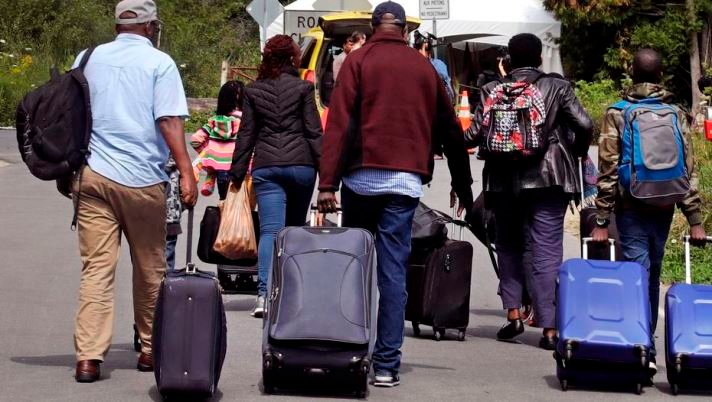








Thinking of trading your akara and Agege bread for fish and chips? Or maybe you are tired of NEPA’s mood swings and ready to experience London’s famous drizzle instead. Migrating to the UK from Nigeria might just be your next big move. In this guide, we will explore the easiest ways to migrate to the UK from Nigeria.
If you are looking to migrate to the UK from Nigeria, you are not alone.
Every year, thousands of Nigerians relocate to the UK for work, education, family, and better opportunities. Some go for the degrees, some for the pounds sterling, and others for that irresistible British accent. Whatever your reason, this guide walks you through the easiest and most realistic pathways—without the boring legal jargon.
Contents
- 1 Why Nigerians Choose the UK
- 2 Easiest Ways to Migrate to the UK from Nigeria
- 3 How to Prepare Before You Apply
- 4 Life in the UK: What to Expect
- 5 Frequently Asked Questions
- 5.1 1. How much money do I need to migrate to the UK from Nigeria?
- 5.2 2. Is IELTS compulsory for Nigerians migrating to the UK?
- 5.3 3. Can I migrate to the UK without a job offer?
- 5.4 4. How long does it take to process a UK visa from Nigeria?
- 5.5 5. Can I bring my family with me when migrating to the UK?
- 6 Final Thoughts
Why Nigerians Choose the UK
Before packing your bags, it helps to understand why the UK remains one of the top relocation destinations for Nigerians.
One major attraction is education. The UK is home to globally respected universities such as the University of Oxford, the University of Cambridge, and Imperial College, London. A British degree carries weight internationally and can significantly boost your career prospects.
Healthcare is another reason. The National Health Service (NHS) provides accessible healthcare to residents, which is a huge relief compared to private healthcare costs elsewhere.
The economy is relatively stable, job opportunities are diverse, and the multicultural environment makes it easier for Nigerians to settle in. From Afro-Caribbean food spots in London to Nigerian communities in Manchester and Birmingham, you will not feel completely out of place.
And of course, there is football. Watching matches live in stadiums instead of buffering streams hits differently.
Easiest Ways to Migrate to the UK from Nigeria
There is no single “magic” route, but some visa pathways are more straightforward than others. Let’s break them down clearly.
The Skilled Worker Visa (Your Career Ticket)
For many Nigerians, this is the most practical route. The Skilled Worker visa allows qualified professionals to live and work in the UK if they secure a job offer from a licensed sponsor.
First, you need a job offer from a UK employer approved by the government to sponsor foreign workers. These employers are listed on the official UK government website. Industries like healthcare, IT, engineering, and education frequently recruit internationally.
You must also meet salary thresholds. In most cases, the minimum salary requirement starts around £26,200 per year, although certain roles—especially healthcare positions—may have different thresholds.
English proficiency is mandatory. Most applicants prove this through IELTS or another approved English test.
If you are a nurse, software developer, teacher, or engineer, your chances are strong because these professions remain in high demand.
The Student Visa (Study Your Way In)
If career sponsorship feels difficult from Nigeria, studying in the UK can be a strategic entry point.
You must first gain admission to a recognized UK university. Institutions such as the University of Manchester, the University of Leeds, and the University of Birmingham are popular among international students.
After securing admission, you will need to show proof of funds to cover tuition and living expenses. This requirement is strict, so financial planning is essential.
The good news is the Graduate Route visa. After completing your degree, you can remain in the UK for up to two years (three years for PhD graduates) to find employment. Many students transition from this route into the Skilled Worker visa.
You may also like: Easiest Ways to Migrate to the US from Nigeria: Your Path to the American Dream
The Health and Care Worker Visa
Healthcare professionals have a special pathway. The Health and Care Worker visa is designed for doctors, nurses, social workers, and other medical professionals recruited by the NHS or approved healthcare employers.
This route is often faster, cheaper, and requires fewer financial proofs compared to other visas. Given the UK’s ongoing demand for healthcare workers, this remains one of the most accessible options for Nigerians in the medical field.
The Family Visa (Love and Blood Ties)
If you have a spouse, fiancé, parent, or child who is a British citizen or has settled status, you may qualify for a family visa.
However, this route requires strong documentation. Immigration authorities will carefully review relationship evidence, financial capability, and accommodation details. It is not impossible—but it demands thorough preparation.
The Innovator or Start-Up Visa
Entrepreneurs are not left out. If you have a unique and viable business idea endorsed by an approved UK body, you may qualify for an Innovator Founder visa.
This route is more competitive and requires clear evidence that your business idea is innovative and scalable. It is ideal for tech founders, startup builders, and high-growth entrepreneurs.
Read also: Easiest Ways to Migrate to Australia from Nigeria: The Best Guide
How to Prepare Before You Apply
Migrating is not just about filling out forms. Preparation determines success.
Start by researching your chosen visa route thoroughly on the official UK government website. Immigration rules change frequently, and you do not want outdated information.
Next, organize your documents. This includes birth certificates, academic transcripts, employment references, an international passport, and bank statements. Missing paperwork can delay or derail your application.
English tests are often required, so prepare early. Practice consistently and aim for a strong score to avoid complications.
Financial planning is also critical. Visa fees, Immigration Health Surcharge payments, flights, and initial accommodation costs can add up quickly. Having savings reduces stress during your transition.
Life in the UK: What to Expect
Relocating means adjusting to a new lifestyle. The UK is not perfect, but it offers structure and predictability.
The weather will test your patience. Grey skies and sudden rain showers are common, especially in cities like London and Manchester. Invest in a good coat and an umbrella.
Food is far more diverse than stereotypes suggest. In multicultural hubs like Birmingham, you will find Indian, Caribbean, Middle Eastern, and Nigerian restaurants easily.
Public transportation is reliable but expensive. Many residents use Oyster cards or railcards to reduce commuting costs.
Work culture emphasizes punctuality, politeness, and structure. And yes, tea breaks are serious business.
Check out Easiest Ways to Migrate to Canada from Nigeria: The Best Guide
Frequently Asked Questions
1. How much money do I need to migrate to the UK from Nigeria?
The total cost depends on your visa type. For example, a Skilled Worker or Student visa requires application fees, the Immigration Health Surcharge, proof of funds, and flight expenses. Students must show enough money to cover tuition and living costs for at least one year, while Skilled Worker applicants may need to show maintenance funds unless their employer covers it. On average, you should budget several million naira to comfortably handle visa fees, travel, and initial settlement costs.
2. Is IELTS compulsory for Nigerians migrating to the UK?
In most cases, yes. Many UK visas require proof of English proficiency, often through IELTS or another approved test. However, if you studied in English and can provide acceptable proof, you may qualify for an exemption depending on the visa route. Always confirm the specific language requirement for your chosen visa category before applying.
3. Can I migrate to the UK without a job offer?
It depends on the visa route. The Skilled Worker visa requires a confirmed job offer from a licensed UK sponsor. However, if you apply through the Student visa route, you do not need a job offer before moving. After graduation, you can remain in the UK under the Graduate Route to search for employment.
4. How long does it take to process a UK visa from Nigeria?
Processing times vary by visa type. Standard applications typically take around three weeks after your biometric appointment, but priority services may shorten this timeframe for an additional fee. Delays can happen if documents are incomplete or additional checks are required, so submitting accurate paperwork is essential.
5. Can I bring my family with me when migrating to the UK?
Yes, in many cases, you can bring dependents such as your spouse and children. Skilled Worker visa holders and some postgraduate students are allowed to bring family members, provided they meet financial and documentation requirements. Each dependent must submit a separate visa application and pay the required fees.
Final Thoughts
Migrating to the UK from Nigeria is not just a dream. It is achievable with planning, patience, and the right strategy. Whether you choose the Skilled Worker route, study pathway, healthcare visa, or family sponsorship, success depends on preparation and persistence.
The process may feel overwhelming at times, but thousands of Nigerians have done it successfully—and so can you.
Update that CV, renew your passport, and start mapping out your next chapter. The UK might just be the fresh start you have been looking for. Cheers to new beginnings.

Welcome to my world! 🌟 I’m Clare, the proud founder of lovemeandtour.com website. I’m passionate about connecting people and helping them find love. Join me on this exciting journey and let’s spread love together! 🌟 #LoveMe #Travel #Passionate