







When you think about travel, the first things that come to mind are usually breathtaking landscapes, rich cultures, and fascinating history. But honestly, one of the greatest pleasures of traveling is the food!
For many adventurers, tasting new dishes is just as exciting as sightseeing. Nigeria, with its rich and diverse culinary heritage, is no exception. In fact, the role of Nigerian cuisine in attracting tourists is increasingly being recognized as a key driver of cultural tourism.
From spicy suya sizzling on roadside grills to steaming bowls of jollof rice served at weddings, Nigerian food is more than a necessity. It is a cultural experience, a story on a plate, and a magnet pulling curious tourists into the heart of the country. In this post, let’s explore why Nigerian cuisine plays such a vital role in tourism, and why foodies around the world can’t resist the pull of Nigeria’s kitchen.
Contents
- 1 Nigerian Cuisine as a Cultural Identity
- 2 The Global Fame of Nigerian Jollof Rice
- 3 Street Food Culture: The Tourist’s Playground
- 4 Food Festivals and Culinary Tourism
- 5 Nigerian Drinks: More Than Just Refreshment
- 6 Dining as a Social Experience
- 7 Culinary Adventures Beyond the Plate
- 8 Regional Diversity: A Culinary Journey Across Nigeria
- 9 The Role of Nigerian Cuisine in Cultural Diplomacy
- 10 Challenges and Opportunities
- 11 Why Tourists Keep Coming Back for Nigerian Food
Nigerian Cuisine as a Cultural Identity
Food is not just about filling the belly—it tells the story of a people, their traditions, and their values. Nigerian cuisine represents a colorful blend of the country’s ethnic groups, each contributing unique flavors, cooking methods, and dishes. From the Yoruba to the Igbo to the Hausa-Fulani, every group has its culinary signature.
Tourists are drawn to Nigeria because food becomes a gateway into understanding the culture. Eating pounded yam with egusi soup isn’t just a meal—it’s a cultural initiation. Trying tuwo shinkafa with miyan kuka in the North is not just about taste, but about experiencing Hausa hospitality. Every bite tells a story, and visitors find themselves connecting with Nigeria on a deeper level through its cuisine.
The Global Fame of Nigerian Jollof Rice
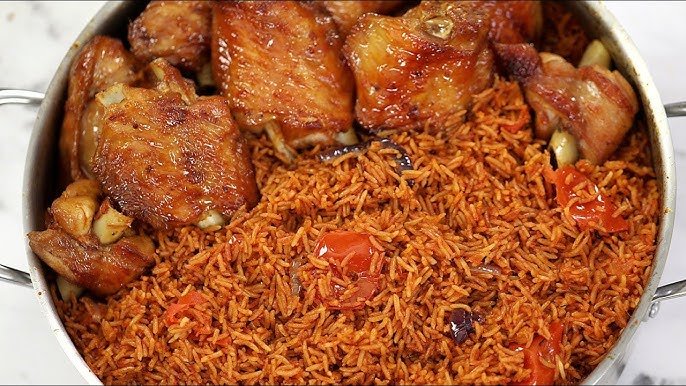
It would be impossible to talk about the role of Nigerian cuisine in attracting tourists without mentioning the legendary jollof rice. This tomato-based, spicy, and flavorful dish has sparked debates and competitions across West Africa. But Nigerian jollof stands tall, known for its rich taste, smoky aroma, and the unforgettable experience it leaves behind.
Tourists, having heard about the infamous “jollof wars” between Nigeria and Ghana, often arrive eager to taste Nigerian jollof for themselves. The dish has become a symbol of pride and an unofficial ambassador for Nigerian cuisine. International food festivals and travel documentaries frequently feature Nigerian jollof, making it one of the first foods tourists request when they land.
Street Food Culture: The Tourist’s Playground
If you want to truly understand a country’s food culture, forget the fancy restaurants—hit the streets. Nigerian street food is a world of its own, offering bold flavors, affordability, and a sense of adventure. Tourists find themselves enchanted by the smoky aroma of suya, the crunchy delight of akara, or the satisfying taste of roasted plantains known as boli.
Street food allows visitors to mingle with locals, observe everyday life, and taste authentic flavors without the polish of fine dining. Tourists love the spontaneity of pulling up to a roadside stand, grabbing a spicy meat skewer, and enjoying it right there amidst laughter, chatter, and city bustle. For many, street food becomes one of their fondest memories of Nigeria.
Food Festivals and Culinary Tourism
Across the world, food festivals have become powerful tools for attracting tourists, and Nigeria is not left out. Events such as the Lagos Food and Drink Festival, Abuja Food Expo, and regional culinary fairs provide tourists with an opportunity to sample multiple Nigerian dishes in one place.
These festivals also create vibrant experiences beyond food. They often feature music, dance, art exhibitions, and cooking competitions, offering tourists a wholesome Nigerian cultural package. The variety on display—soups, stews, snacks, and drinks—introduces visitors to both popular dishes and lesser-known regional specialties.
Tourists often plan their trips around these festivals, making them crucial in positioning Nigeria as a culinary tourism hub.
Nigerian Drinks: More Than Just Refreshment
It’s not just the food—Nigerian drinks also play a role in tourism. From traditional zobo (hibiscus tea) and kunu (a millet-based drink) to palm wine tapped fresh from the tree, beverages add an authentic touch to the dining experience.
Tourists find palm wine especially fascinating because it is not only a drink but also part of traditional ceremonies like weddings and village gatherings. For a visitor, sipping fresh palm wine under a tree in a village is an unforgettable experience that blends taste with cultural immersion.

Dining as a Social Experience
Nigerian dining culture is highly social. Meals are often shared communally, with family and friends eating from the same bowl. For tourists, this communal dining fosters a sense of belonging and cultural participation.
Imagine a foreign visitor being welcomed into a Nigerian home and invited to eat amala and ewedu with the family. The laughter, storytelling, and warmth around the table often become more memorable than the food itself. This social dining experience leaves tourists with a lasting impression of Nigeria’s hospitality.
Culinary Adventures Beyond the Plate
Tourism tied to Nigerian cuisine doesn’t stop at eating. Tourists are increasingly interested in learning how to cook Nigerian meals themselves. Cooking classes, culinary tours, and farm-to-table experiences are emerging opportunities in Nigeria’s tourism sector.
Visitors may tour local markets to buy spices and ingredients, then head to a kitchen to learn how to prepare egusi soup or ofada rice. Such hands-on experiences deepen their connection to the culture and encourage them to share Nigerian cuisine when they return home. This ripple effect spreads Nigerian culinary reputation across the globe.
Regional Diversity: A Culinary Journey Across Nigeria
One of the most attractive aspects of Nigerian cuisine is its regional diversity. Tourists traveling across Nigeria can enjoy completely different food cultures in each region:
- Northern Nigeria: Known for tuwo, masa (rice cakes), suya, and rich stews like miyan kuka.
- Western Nigeria (Yoruba): Famous for amala, ewedu, efo riro, and asaro (yam porridge).
- Eastern Nigeria (Igbo): Beloved for dishes like ofe nsala (white soup), abacha (African salad), and bitterleaf soup.
- South-South and Coastal Areas: Home to delicacies such as afang soup, fisherman’s soup, and pepper soup with fresh seafood.
For tourists, traveling across Nigeria becomes not just a geographical journey but also a culinary adventure. Every region adds to the country’s overall appeal.
The Role of Nigerian Cuisine in Cultural Diplomacy
Cuisine is increasingly being used as a tool for cultural diplomacy, and Nigeria has embraced this trend. Nigerian embassies, international food fairs, and diaspora communities frequently showcase Nigerian dishes abroad.
When tourists sample Nigerian food in London, New York, or Toronto, they often develop curiosity about visiting Nigeria to experience the authentic version. In this way, Nigerian cuisine becomes a soft power that attracts international attention and tourism.
Challenges and Opportunities
While the role of Nigerian cuisine in attracting tourists is clear, challenges remain. Infrastructure, inconsistent food safety standards, and lack of organized culinary tourism packages can sometimes hold back the industry’s growth. However, these challenges also present opportunities.
- Developing standardized food tours in major cities like Lagos and Abuja.
- Training chefs and food vendors to meet international standards.
- Investing in promotional campaigns that highlight Nigeria’s culinary treasures.
If harnessed properly, Nigerian cuisine could rival the food tourism appeal of countries like Thailand, Italy, or Morocco.
Why Tourists Keep Coming Back for Nigerian Food
Ultimately, what keeps tourists hooked on Nigerian food is not just the taste but the experience. It’s the smoky aroma of suya under a Lagos night sky, the joy of eating jollof rice at a wedding party, the curiosity of trying nkwobi for the first time, and the comfort of sipping hot pepper soup on a rainy day. Nigerian cuisine doesn’t just feed—it entertains, educates, and welcomes.
For tourists, food becomes the memory that lingers long after they’ve left Nigeria. And that’s why the role of Nigerian cuisine in attracting tourists cannot be overstated.
Conclusion
Food is a universal language, and Nigerian cuisine speaks volumes. From street food stalls to cultural festivals, Nigerian dishes have positioned themselves as powerful magnets for tourism. By embracing and promoting its culinary heritage, Nigeria is not only feeding stomachs but also fueling its tourism industry.
In short, the suya stands, the jollof rice pots, and the bowls of pepper soup are not just meals—they are Nigeria’s open invitation to the world. And tourists are happily saying yes.

Welcome to my world! 🌟 I’m Clare, the proud founder of lovemeandtour.com website. I’m passionate about connecting people and helping them find love. Join me on this exciting journey and let’s spread love together! 🌟 #LoveMe #Travel #Passionate