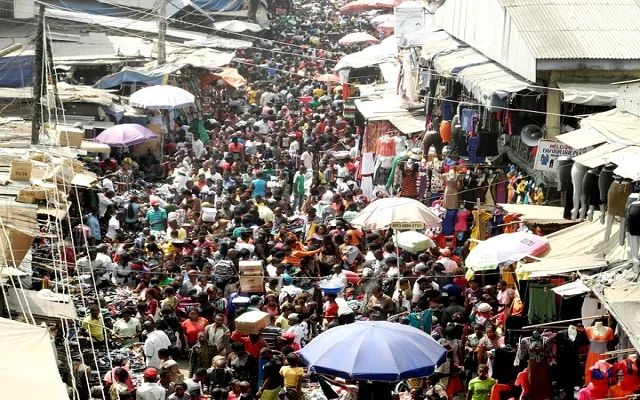






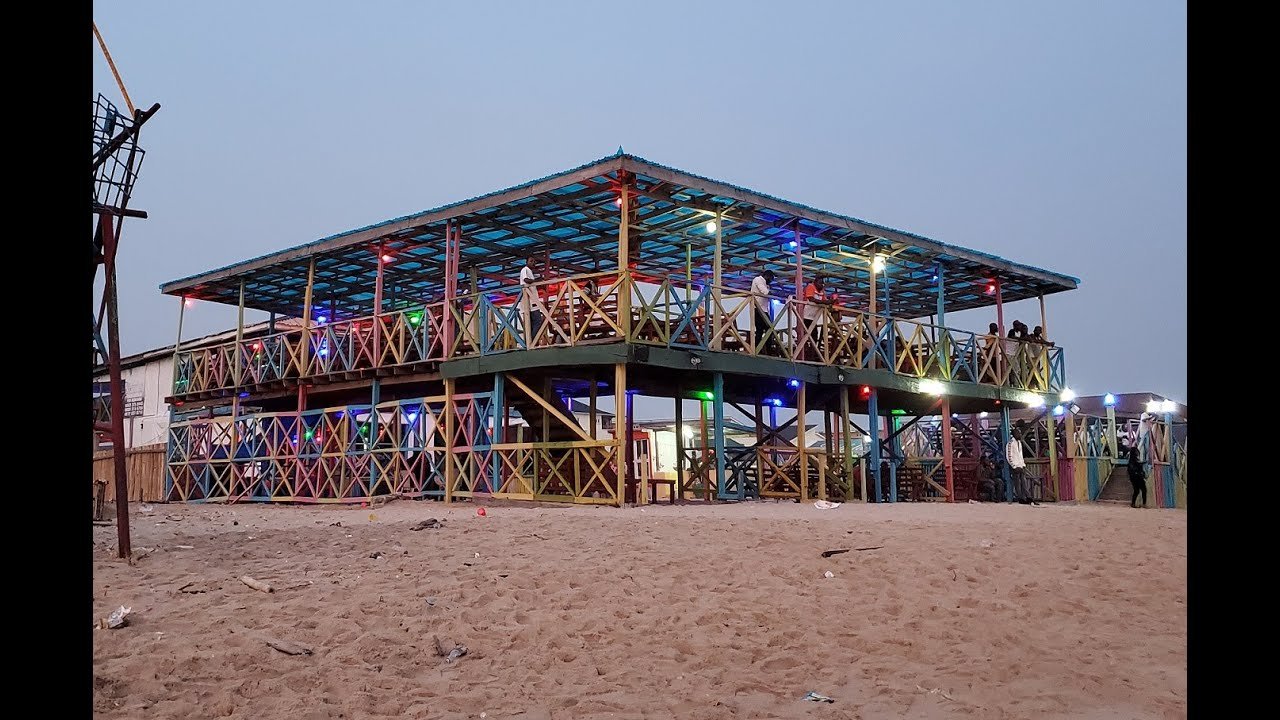
When you step into Nigeria, one of the first things that will strike you is the vibrancy of its markets. They are not just places where goods are bought and sold—they are living, breathing centers of culture, tradition, noise, laughter, negotiation, and sometimes even drama.
This visitor’s guide to Nigerian markets will help you navigate the exciting world of trading hubs, whether you’re looking for local fabrics, exotic spices, traditional crafts, or just a taste of everyday Nigerian life.
In this guide, we’ll explore everything from the types of markets you’ll encounter to the art of bargaining, to safety tips, and even how to spot the best street food. Consider this your cultural compass for diving into Nigeria’s buzzing market life.
Why Nigerian Markets Are a Must-Visit
Markets in Nigeria are not like your typical supermarket aisles, where everyone quietly pushes a cart and waits in line. Instead, they are a colorful spectacle where sellers call out their prices at the top of their lungs, buyers haggle for hours to save a few naira, and the smells of roasted corn, suya (spicy grilled meat), and freshly fried akara (bean cakes) tempt you at every corner.
For tourists, visiting Nigerian markets is more than shopping—it’s an immersion into the heart of Nigerian culture. You’ll experience:
- The pulse of local communities
- Traditional trading practices
- Friendly banter and negotiations
- A chance to support local artisans
So, if you want to understand Nigeria beyond the tourist brochures, visiting the markets should be at the top of your list.
Contents
- 1 Types of Nigerian Markets
- 2 The Art of Bargaining
- 3 What You’ll Find in Nigerian Markets
- 4 Street Food in Nigerian Markets
- 5 Cultural Etiquette in Nigerian Markets
- 6 Safety Tips for Tourists
- 7 Famous Nigerian Markets Worth Visiting
- 8 When to Visit Nigerian Markets
- 9 Why Nigerian Markets Are More Than Just Shopping
Types of Nigerian Markets
To make the most of your visitor’s guide to Nigerian markets, it’s important to understand the different types of markets you’ll encounter.
- Open-Air Street Markets
These are the most common, where rows of stalls, umbrellas, or makeshift sheds line the streets. Think of Lagos’s Balogun Market or Abuja’s Wuse Market. Here, you’ll find everything from electronics to fabrics, and even live chickens.
- Food Markets
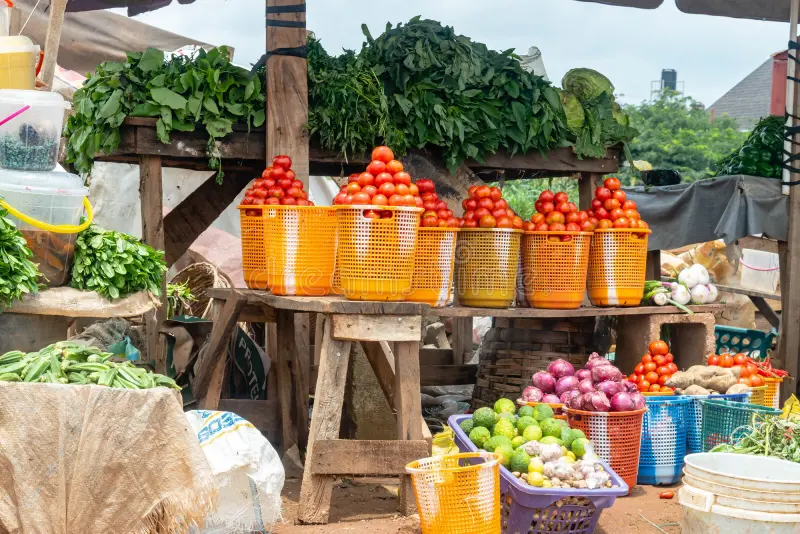
If you’re a foodie, food markets are a paradise. You’ll see piles of tomatoes stacked like pyramids, baskets of peppers in all shades of red and green, yam tubers that look like logs, and dried fish with their unique aroma. Mile 12 Market in Lagos is famous for its fresh produce and is a cultural experience in itself.
- Craft and Curio Markets
These are treasure troves for tourists who want souvenirs. From wooden carvings to beaded jewelry, woven baskets, leather sandals, and traditional masks, places like Lekki Arts and Crafts Market in Lagos will leave you spoilt for choice.
- Specialty Markets
Nigeria also has markets that focus on specific goods. For example, Onitsha Main Market (one of the largest in West Africa) is known for wholesale trade. Kano’s Kurmi Market is centuries old and specializes in leather goods and traditional crafts.
- Night Markets
As the sun sets, some markets spring to life. Night markets are popular for street food, second-hand clothes, and a vibrant evening atmosphere. They’re perfect if you want to mingle with locals in a more relaxed setting.
The Art of Bargaining
If there’s one skill you must learn before entering a Nigerian market, it’s bargaining. In fact, not bargaining is almost seen as a rookie mistake. Sellers expect you to haggle, and sometimes the first price is triple the actual value.
Here are a few tips:
- Start low: If a seller says 5,000 naira, you can counter with 2,000. The real price usually falls somewhere in between.
- Smile and stay friendly: A warm attitude often gets you a better deal.
- Don’t show too much excitement: If you look overly eager, the seller will hold firm on the price.
- Know when to walk away: Sometimes, pretending to leave makes the seller lower the price.
Bargaining is like a sport here, and locals actually enjoy the back-and-forth. Consider it part of the cultural experience!
What You’ll Find in Nigerian Markets
One reason Nigerian markets are irresistible is the sheer diversity of goods. Here are some highlights:
- Textiles and Fabrics: Nigerian fabrics like Ankara, Aso Oke, and Adire are world-famous. They come in bright colors and patterns that tell cultural stories.
- Food and Spices: From groundnut (peanut) oil to dried crayfish, palm oil, chili peppers, and exotic spices, your taste buds will thank you.
- Household Items: Plastic buckets, aluminum pots, soap, and detergents are displayed in abundance.
- Electronics and Gadgets: Be cautious here—while you may find bargains, counterfeits are common.
- Traditional Crafts: Masks, carvings, pottery, and beadwork make excellent souvenirs.
Street Food in Nigerian Markets
You cannot complete your visitor’s guide to Nigerian markets without talking about food. Street food is everywhere, and it’s cheap, delicious, and bursting with flavor. Some must-try delights include:
- Suya: Spicy grilled meat skewers served with onions and spicy pepper mix.
- Akara: Deep-fried bean cakes that are crispy on the outside and soft inside.
- Roasted Plantain (Boli): Often served with groundnut sauce, this is a local favorite.
- Moi Moi: A steamed bean pudding wrapped in leaves.
- Puff-Puff: Sweet fried dough balls that are addictive.
Eating at the markets not only saves money but also lets you taste authentic Nigerian cuisine. Just ensure the food looks freshly prepared and served hot.
Cultural Etiquette in Nigerian Markets
When visiting Nigerian markets, observing cultural etiquette will make your experience smoother.
- Greet people politely: A simple “Good morning” or “Good afternoon” goes a long way.
- Respect personal space: While markets are crowded, avoid unnecessary pushing.
- Photography: Always ask before taking photos, especially of people or stalls. Some may ask for a small fee.
- Dress modestly: Nigeria is diverse, but conservative dressing earns more respect in markets.
Safety Tips for Tourists
Markets can be chaotic, and while they’re fun, you should take safety seriously.
- Keep valuables (phones, wallets) in front pockets or crossbody bags.
- Avoid flashing large amounts of cash.
- Go with a local guide if you’re unsure of the environment.
- Visit during the day for better security and easier navigation.
Famous Nigerian Markets Worth Visiting
If you’re short on time but want to experience the best, here are some famous markets:
- Balogun Market, Lagos: For fabrics and general goods.
- Onitsha Main Market, Anambra: One of the largest in West Africa.
- Kurmi Market, Kano: For leather and traditional crafts.
- Lekki Arts and Crafts Market, Lagos: Souvenir heaven.
- Mile 12 Market, Lagos: Best place for fresh produce.
Each market offers a unique vibe, so try to experience at least two or three during your trip.
When to Visit Nigerian Markets
Timing matters. Nigerian markets are busiest in the morning and late afternoon. If you want the freshest food items, go early. For better bargains, late afternoon is perfect as sellers may want to clear their stock. Avoid market days during festive periods if you dislike crowds—they can be overwhelming.
Why Nigerian Markets Are More Than Just Shopping
Visiting Nigerian markets is like stepping into a cultural theatre. You’ll witness the resilience of traders who set up shop at dawn, the creativity of artisans, and the community spirit that markets foster. For many Nigerians, markets are not just about survival but about identity, tradition, and connection.
For tourists, the experience is priceless. You’ll return home with not just souvenirs but also memories of laughter-filled bargaining, mouthwatering food, and the warm energy of Nigerian people.
Conclusion
This visitor’s guide to Nigerian markets has walked you through what to expect, where to go, what to buy, and how to behave. Nigerian markets are chaotic yet charming, noisy yet welcoming, and messy yet magical. Whether you’re shopping for colorful Ankara fabric, tasting roasted corn, or simply soaking in the atmosphere, the market is where you’ll truly feel Nigeria’s heartbeat.
So, on your next trip, don’t just stick to hotels and tourist attractions—head straight to the market. That’s where the real Nigeria lives.

Welcome to my world! 🌟 I’m Clare, the proud founder of lovemeandtour.com website. I’m passionate about connecting people and helping them find love. Join me on this exciting journey and let’s spread love together! 🌟 #LoveMe #Travel #Passionate