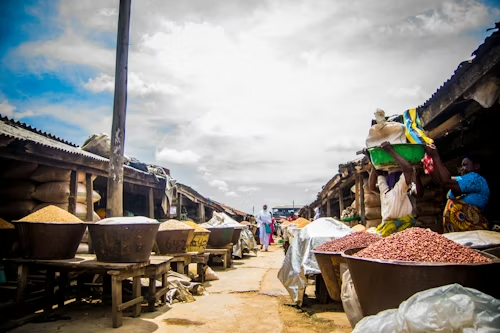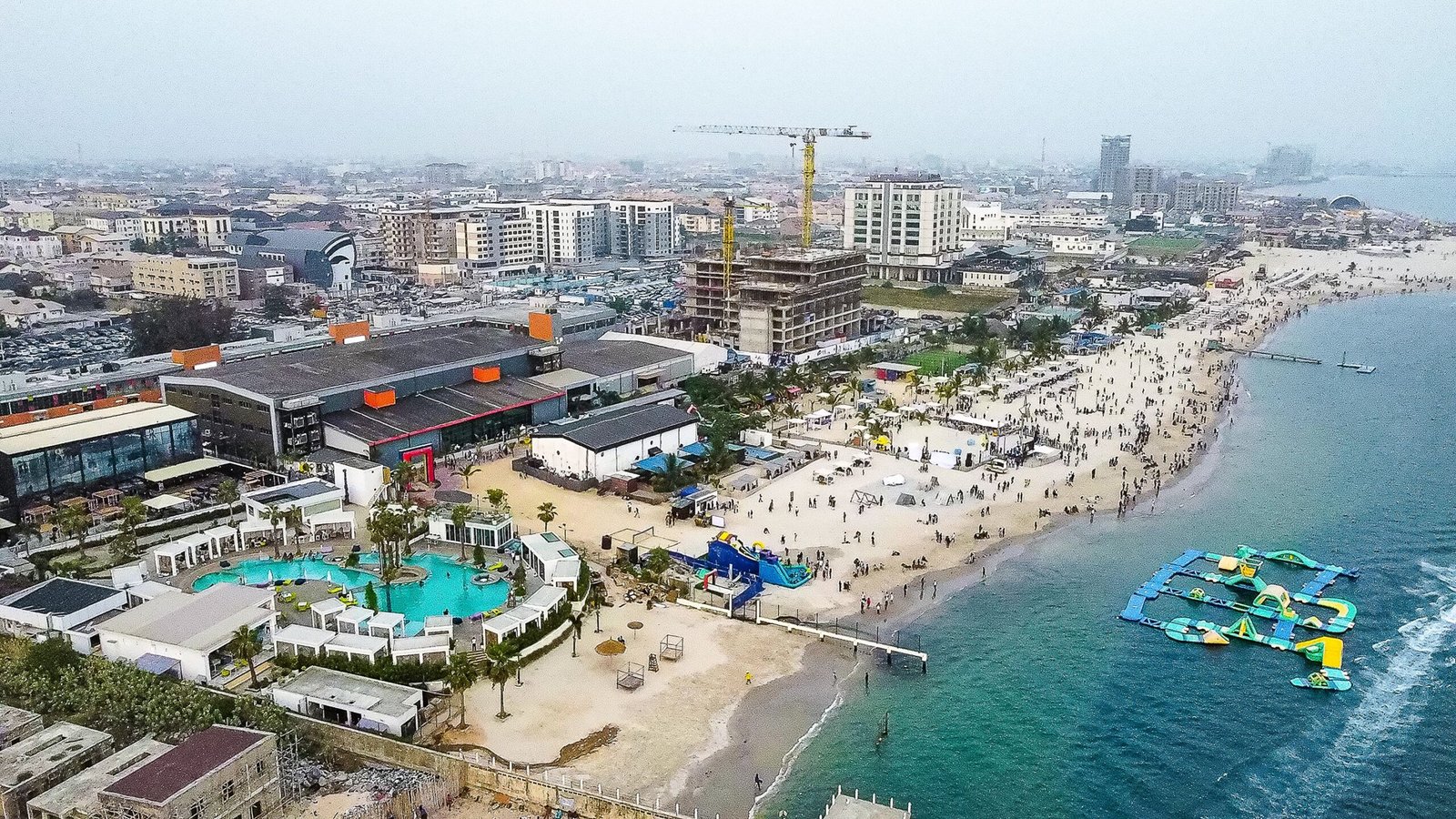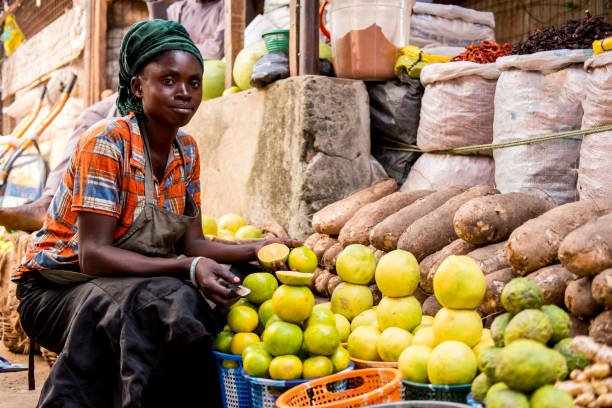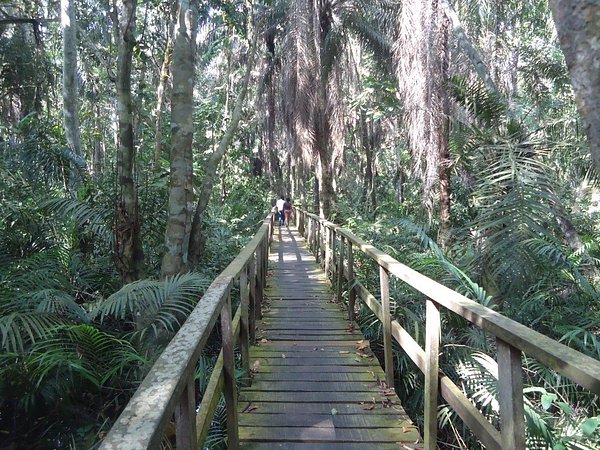




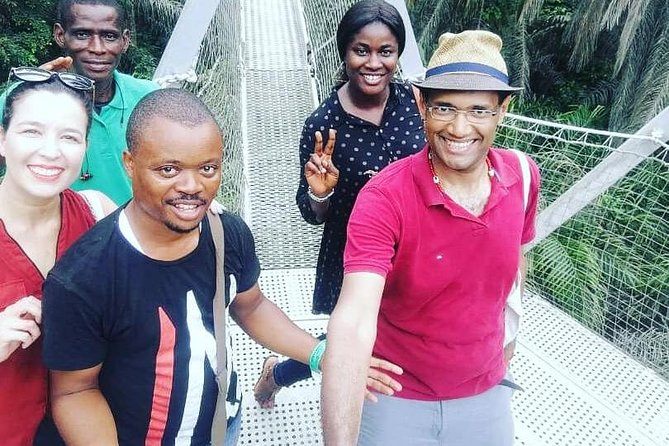



Tourism is one of the world’s fastest-growing industries, and Nigeria – with its colorful festivals, scenic landscapes, and vibrant culture – is finally stepping into the global spotlight. From the waterfalls of Osun to the savannahs of Yankari, Nigeria offers experiences that appeal to adventure seekers, cultural enthusiasts, and eco-conscious travelers alike.
But tourism comes with responsibilities. Responsible tourism encourages travelers, communities, and stakeholders to act consciously, protecting the environment, supporting local economies, and preserving Nigeria’s rich heritage.
Responsible tourism doesn’t mean sacrificing comfort or fun. It’s about making thoughtful choices that ensure our travel activities today don’t compromise the beauty and culture future generations should enjoy. In other words, it’s about traveling smart, not just traveling far.
Contents
- 1 Understanding Responsible Tourism in Nigeria
- 2 Why Responsible Tourism Matters
- 3 Educating Tourists and Communities
- 4 Eco-Friendly Travel and Sustainable Practices
- 5 Community Engagement in Tourism
- 6 Government and Policy Support
- 7 Technology and Media in Promoting Responsible Tourism
- 8 Challenges to Responsible Tourism
- 9 Practical Tips for Responsible Travelers
- 10 Building the Future of Responsible Tourism in Nigeria
Understanding Responsible Tourism in Nigeria
Responsible tourism is not a trend—it’s a mindset. It’s about creating better places for people to live in and better experiences for visitors. In Nigeria, this means protecting natural treasures like the Erin Ijesha Waterfalls, Yankari Game Reserve, and Obudu Mountain Resort, while respecting the traditions of local communities in Kano, Calabar, and Benin.
Responsible tourism calls on everyone – travelers, government bodies, tour operators, and local artisans – to protect Nigeria’s cultural and environmental assets. When implemented properly, it turns tourism into a tool for economic empowerment, community engagement, and cultural preservation.
Why Responsible Tourism Matters
Nigeria’s ecosystems are fragile, and its cultural heritage is priceless. Responsible tourism ensures that travel contributes positively rather than leaving a negative footprint.
Environmentally, it encourages eco-friendly travel practices that reduce pollution and conserve natural resources. Economically, it supports local communities by channeling tourism revenue to small businesses, local guides, and artisans. Culturally, it safeguards traditions, festivals, and crafts from exploitation or misrepresentation. Moreover, responsible tourism improves Nigeria’s global reputation, attracting conscious travelers who seek authentic, ethical experiences.
For example, choosing eco-lodges in Lagos, Obudu, or Calabar not only enhances your stay but also promotes sustainability. Linking your stay to verified eco-friendly booking platforms ensures both comfort and responsibility.
Educating Tourists and Communities
Education is key. Tourists should understand local customs, avoid littering, support local businesses, and use resources wisely. Locals, on the other hand, can benefit from understanding tourism’s potential for economic growth and cultural promotion.
Tour operators, travel agencies, and bloggers play a huge role. Workshops and campaigns can teach eco-friendly travel habits, while community engagement ensures locals act as custodians of their culture and environment. Influencers and bloggers can also use social media to showcase sustainable travel experiences, encouraging visitors to make conscious choices.
For readers, signing up for newsletters from sustainable travel blogs or following eco-tourism hashtags like #GreenNaija or #TravelResponsiblyNigeria is a practical way to stay informed. These platforms can feature affiliate links to eco-lodges, local tours, and responsible travel products.
Eco-Friendly Travel and Sustainable Practices
Sustainability is the backbone of responsible tourism. Nigerian hotels, resorts, and tour operators are increasingly adopting green practices, including solar power, water recycling, biodegradable alternatives, and local sourcing. Travelers can also play a role by carrying reusable water bottles, avoiding single-use plastics, and choosing eco-friendly accommodations.
Supporting local products (like Adire fabric artisans, wooden crafts, and handmade jewelry) reduces carbon footprints and strengthens local economies. Choosing guided tours with wildlife sanctuaries such as Yankari Reserve ensures animal welfare and conservation efforts are respected.
Bloggers and influencers can monetise this by linking to eco-lodges, tours, or sustainable travel products, generating affiliate revenue while promoting ethical tourism.
Community Engagement in Tourism
Responsible tourism thrives when local communities are active participants. From fishermen in Badagry to craftspeople in Abuja, locals should benefit directly from tourism. Community-based tourism initiatives give residents ownership of their cultural and environmental assets, creating pride and protection.
Training local guides ensures authentic experiences for travelers, while supporting local entrepreneurs through souvenirs or food products channels money back into the community. Profit-sharing projects, where a portion of revenue funds schools, clean water projects, or health initiatives, make tourism truly sustainable.
For bloggers, highlighting these community projects in content or videos can attract sponsorships from brands and NGOs, opening monetisation opportunities.
Government and Policy Support
No sustainable tourism system works without policy backing. The Nigerian government, through the Ministry of Tourism, Culture, and National Orientation, plays a critical role. Policies can include eco-laws protecting parks, tax incentives for green businesses, infrastructure for eco-friendly travel, and tourism education programs in schools.
Travel bloggers and tour operators can leverage these policies by partnering on campaigns, promoting eco-tourism projects, or writing guides that link to local government-endorsed tourism initiatives, creating additional monetisation channels.
Technology and Media in Promoting Responsible Tourism
Digital media has amplified the reach of responsible tourism. Bloggers, social media influencers, and travel apps can highlight eco-lodges, cultural festivals, and community-based tourism projects. Online reviews on TripAdvisor or Google Maps help reward responsible businesses.
Hashtags like #TravelResponsiblyNigeria and #GreenNaija encourage engagement and awareness. Bloggers can monetise through sponsored campaigns, affiliate partnerships, or video content showcasing eco-conscious travel experiences.

Challenges to Responsible Tourism
Despite progress, challenges remain. Poor infrastructure, limited awareness, weak regulation, and over-commercialization threaten sustainability. Yet, with collaboration among travelers, communities, government, and businesses, these hurdles can be overcome.
For example, travelers can use sustainable transport, eco-lodges, and guided tours to mitigate infrastructure issues while supporting responsible tourism growth.
Practical Tips for Responsible Travelers
Travelers can make a positive impact with simple actions:
-
Respect local customs and dress codes.
-
Support small businesses and local artisans.
-
Dispose of waste properly and reduce plastic use.
-
Choose accommodations and tours that follow green practices.
-
Avoid disturbing wildlife or removing natural artifacts.
-
Use public transport or eco-friendly mobility options where possible.
Building the Future of Responsible Tourism in Nigeria
Responsible tourism is a collective responsibility. Each traveler, community, business, and policymaker has a role in nurturing sustainability, cultural respect, and economic empowerment. Awareness, education, and action today will protect Nigeria’s natural beauty and heritage for generations to come.
Travel smart, travel ethical, and turn every trip into an opportunity to support sustainable tourism in Nigeria. Bloggers and travel platforms can monetise by recommending eco-friendly stays, tours, and products that align with responsible tourism principles, creating both impact and income.

Welcome to my world! 🌟 I’m Clare, the proud founder of lovemeandtour.com website. I’m passionate about connecting people and helping them find love. Join me on this exciting journey and let’s spread love together! 🌟 #LoveMe #Travel #Passionate