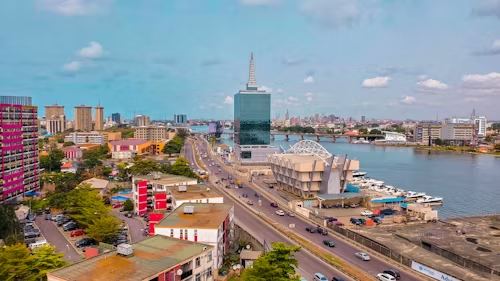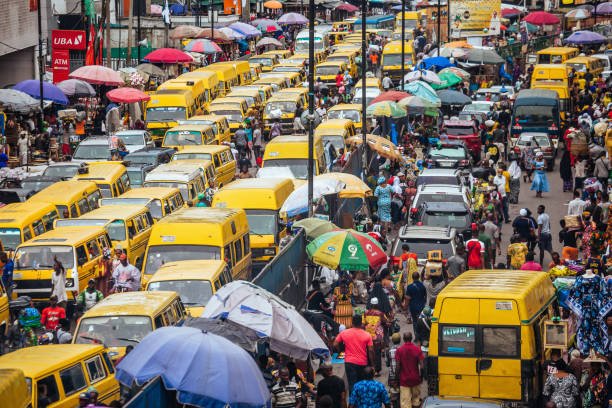



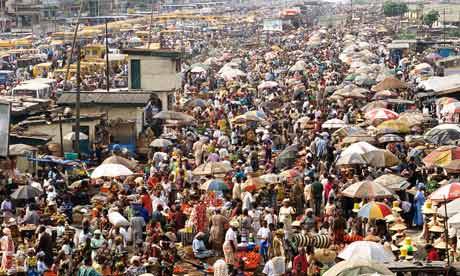

Lagos is a city that never hides its personality. From the endless traffic on Third Mainland Bridge to the nightlife in Lekki and the street markets buzzing with life, everything about Lagos feels loud, energetic, and unforgettable. But beyond the modern skyline and fast-paced lifestyle lies a deeply rooted cultural heritage that still shapes the identity of the city today. One of the strongest expressions of that heritage is the Eyo Festival.
For many Nigerians, especially those outside Lagos, the first encounter with the Eyo Festival often comes through photographs or viral videos online. You see tall masquerades dressed completely in white, moving through the streets with staffs in hand while crowds cheer around them. At first glance, it may look like a carnival or a costume parade. In reality, it is much deeper than that.
The Eyo Festival is one of the oldest and most respected cultural festivals in Lagos. It combines history, spirituality, royalty, music, fashion, and community pride into one grand public celebration. It is also one of the few events that can completely shut down parts of Lagos Island while attracting visitors from different parts of Nigeria and beyond.
For tourists, culture lovers, photographers, and even Nigerians looking to reconnect with tradition, attending the Eyo Festival is an experience that leaves a lasting impression.
Contents
- 1 Understanding the Origin of the Eyo Festival
- 2 Why the Festival Matters to Lagosians
- 3 What the Eyo Masquerades Represent
- 4 What Happens During the Festival
- 5 The Spiritual and Cultural Significance
- 6 Best Time to Experience the Eyo Festival
- 7 What Nigerian Tourists Should Expect
- 8 Cost of Attending the Eyo Festival
- 9 Rules and Customs Visitors Should Respect
- 10 Other Places to Explore While in Lagos
- 11 Interesting Facts About the Eyo Festival
- 12 Frequently Asked Questions About the Eyo Festival
- 13 Final Thoughts
Understanding the Origin of the Eyo Festival
The Eyo Festival, often called the Adamu Orisha Play, traces its roots back several centuries within the traditional culture of the Lagos people. Although historical records frequently mention 1854 as the year of the first major documented public Eyo procession in honour of Oba Akintoye, historians believe the practice existed long before then in smaller ceremonial forms.
The festival is closely tied to the traditional institution of Lagos Island and the royal palace known as Iga Idunganran. Historically, it was organized to honour the passing of an Oba, chief, or other highly respected Lagosian. In many cases, the festival also served as a spiritual rite connected to succession ceremonies and royal transitions.
Unlike regular entertainment festivals designed purely for tourism, the Eyo Festival carries spiritual significance. It is deeply linked to Yoruba traditional beliefs and ancestral reverence. This explains why many customs surrounding the event are treated with seriousness and respect.
Over time, the festival evolved from a largely sacred cultural event into one of the most recognised cultural displays in Nigeria. Today, it serves both traditional and tourism purposes while still preserving many of its original customs.
Recommended: Amusement Parks in Lagos: The Best Places for Fun, Family Time, and Weekend Adventures
Why the Festival Matters to Lagosians
To understand the importance of the Eyo Festival, you have to understand how strongly Lagosians value heritage and identity. Lagos is one of the most modern cities in Africa, yet many indigenous families still hold firmly to customs passed down through generations.
The Eyo Festival represents continuity. It reminds Lagosians of their roots despite the rapid modernization happening around them. It also reinforces the authority and relevance of traditional institutions in a city now filled with skyscrapers, tech hubs, and luxury estates.
For older Lagos families, participation in the festival is often a matter of pride and lineage. Certain masquerade groups are connected to specific families, quarters, or cultural associations on Lagos Island. The colours, symbols, and hats worn during the procession can reveal historical affiliations and family heritage.
For younger Nigerians, especially those raised outside Lagos Island culture, the festival provides an opportunity to learn about the traditions that shaped the city long before colonial influence and urban expansion.
What the Eyo Masquerades Represent
The white-robed figures seen during the festival are called Eyo masquerades or Eyo Orisha. Their appearance is one of the most visually striking parts of the event.
Each masquerade is dressed in flowing white garments, often similar to agbada attire, complete with gloves, socks, and wide-brimmed hats. They carry staffs known as opambata, which symbolize authority and spiritual presence.
The all-white clothing is symbolic. In Yoruba tradition, white often represents purity, peace, spirituality, and renewal. The movement of hundreds of white-clad masquerades through Lagos Island creates an atmosphere that feels both festive and sacred at the same time.
Different Eyo groups are distinguished by the colours and symbols on their hats. These colours represent different traditional houses and societies connected to the history of Lagos.
Participation is highly regulated. Traditionally, only men are allowed to become Eyo masquerades, and participants must observe specific rituals and rules before taking part in the procession.
What Happens During the Festival
The Eyo Festival is not a small neighbourhood gathering. It is a large-scale public event that transforms Lagos Island into a massive cultural stage.
The celebration usually begins early in the morning with drumming, chants, and ceremonial processions. Streets around areas like Idumota, Tafawa Balewa Square, and Iga Idunganran become filled with spectators eager to witness the event.
The masquerades move in groups through designated routes while traditional music fills the air. Cultural displays, praise singing, and performances continue throughout the day.
One of the most fascinating aspects of the festival is the atmosphere itself. Lagos slows down in a way that rarely happens. Major roads may be closed, businesses adjust their schedules, and attention shifts almost completely toward the event.
For first-time visitors, the energy can feel overwhelming in the best possible way. There is music everywhere, photographers trying to capture the perfect shot, cultural enthusiasts explaining traditions, and families proudly participating in the celebration.
The Spiritual and Cultural Significance
Although modern audiences often focus on the colourful visuals, the Eyo Festival carries spiritual meaning for many participants.
Traditionally, the festival is believed to cleanse the city spiritually and invite peace, prosperity, and blessings upon Lagos. Some see it as a way of honouring ancestors and preserving the connection between the living and those who came before them.
This spiritual element explains why certain behaviours are restricted during the event. Smoking in public areas is prohibited, and cultural respect is expected from both participants and spectators.
Even many Lagosians who are Christians or Muslims still recognise the Eyo Festival as an important cultural institution tied to the history of the city.
Best Time to Experience the Eyo Festival
Unlike annual events with fixed dates, the Eyo Festival does not happen on the same date every year. It is usually organized to mark important royal or cultural occasions, which means announcements are often made months in advance.
Most Eyo festivals take place during the dry season, particularly between April and October, when weather conditions are more suitable for outdoor processions.
If you plan to attend, it is important to monitor announcements from Lagos State cultural authorities and local news outlets. Hotels around Lagos Island and Victoria Island often become fully booked once dates are announced.
Arriving in Lagos at least one or two days before the festival is advisable, especially for tourists traveling from outside the state or outside Nigeria.
What Nigerian Tourists Should Expect
If you are traveling from another part of Nigeria to witness the Eyo Festival, there are several things you should prepare for.
First, expect large crowds. The festival attracts thousands of people, including tourists, photographers, culture enthusiasts, and residents.
Second, prepare for movement restrictions around Lagos Island. Some roads may be partially or fully closed, so planning your transportation ahead of time is important.
Third, expect heat. Lagos weather can be humid, especially when standing outdoors for long periods. Comfortable clothing, sunscreen, and water are essential.
You should also expect a highly energetic environment. This is not a quiet museum-style cultural experience. It is loud, vibrant, colourful, and full of life.
Cost of Attending the Eyo Festival
One of the best things about the Eyo Festival is that attending the public procession itself is generally free. However, your overall expenses depend on how you plan your trip.
For Nigerian tourists visiting from outside Lagos, here are rough estimates:
Transportation to Lagos:
- Interstate buses may cost between ₦20,000 and ₦60,000 depending on your location.
- Domestic flights can range from ₦80,000 to ₦250,000 depending on timing and airline.
Accommodation:
- Budget hotels around Lagos may start from ₦25,000 per night.
- Mid-range hotels in Victoria Island or Ikeja may cost ₦60,000 to ₦150,000 per night.
- Luxury hotels can exceed ₦300,000 per night during festival periods.
Food:
- Local meals can cost between ₦3,000 and ₦15,000 depending on where you eat.
- Upscale restaurants on the Island may cost significantly more.
- Ride-hailing services like Bolt and Uber are commonly used.
- Due to traffic and road closures, transportation costs may increase during the festival.
Rules and Customs Visitors Should Respect
The Eyo Festival is open to visitors, but respecting local customs is extremely important.
Avoid wearing black clothing if possible, as it is traditionally discouraged during the event.
Smoking publicly during the procession is prohibited and considered disrespectful.
If an Eyo masquerade lightly taps you with the opambata staff, do not react aggressively. It is traditionally used to direct movement or enforce order.
Photography is generally allowed, but visitors should remain respectful and avoid obstructing processions.
Most importantly, remember that this is not merely entertainment for many participants. It is a cultural and spiritual event tied closely to Lagos identity.
Other Places to Explore While in Lagos
Since many tourists travel specifically for the Eyo Festival, it makes sense to explore more of Lagos while you are around.
You can visit the National Museum of Lagos to learn more about Nigerian history and traditional artifacts.
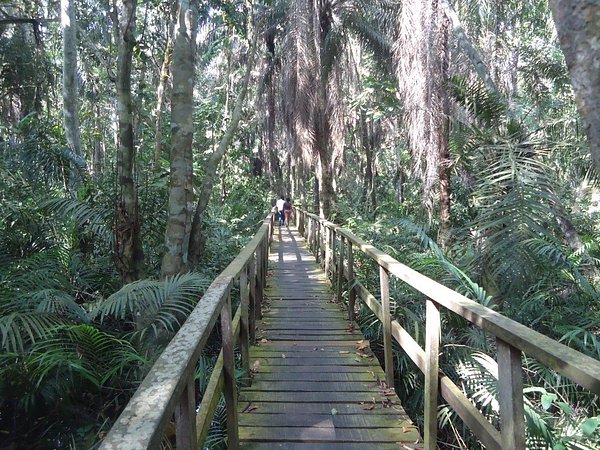
Places like Tarkwa Bay Beach, Freedom Park, Nike Art Gallery, and Lekki Conservation Centre also offer excellent cultural and recreational experiences.
Food lovers should explore Lagos’ famous culinary scene. From Amala spots on the mainland to seafood restaurants on Victoria Island, the city offers endless options for local cuisine.
Interesting Facts About the Eyo Festival
There are several fascinating details that many visitors do not know.
Some historians believe the Eyo Festival may have influenced carnival traditions in parts of Brazil and the Caribbean through historical Yoruba cultural connections during the transatlantic slave trade era.
The festival is unique to Lagos and cannot simply be replicated elsewhere because of its historical ties to the traditional institution of Lagos Island.
Also, despite modern tourism attention, many rituals connected to the preparation of the festival remain private and restricted to specific traditional groups.
Frequently Asked Questions About the Eyo Festival
Is the Eyo Festival held every year?
No. Unlike annual festivals, the Eyo Festival is organized for specific royal, cultural, or commemorative occasions, so dates vary.
Can tourists attend the Eyo Festival?
Yes. Both Nigerian and international tourists are welcome to attend and experience the cultural celebration.
Is there an entrance fee?
The public street procession itself is free to attend, although transportation, accommodation, and personal expenses will still apply.
What should I wear to the festival?
Comfortable clothing is best. Many visitors wear white out of respect and to blend into the atmosphere. Avoid black clothing where possible.
Is the festival safe?
Generally, yes. However, because of the large crowds, visitors should remain security-conscious, keep valuables safe, and follow official guidance.
Can women participate as masquerades?
Traditionally, only men are allowed to participate as Eyo masquerades.
Where does the festival usually take place?
Most activities occur around Lagos Island, including areas like Tafawa Balewa Square, Idumota, and nearby cultural routes.
Final Thoughts
The Eyo Festival is not just another event on the Lagos social calendar. It is a living piece of history that continues to connect modern Lagos with its cultural roots.
In a city constantly evolving with new buildings, businesses, and trends, the festival serves as a reminder that tradition still matters. It shows that even in one of Africa’s busiest urban centres, cultural identity remains powerful and respected.
For tourists, attending the Eyo Festival offers something deeper than sightseeing. It provides an opportunity to experience Lagos beyond the nightlife, beaches, and shopping malls. You witness the heartbeat of the city itself — its history, pride, spirituality, and collective memory displayed openly in the streets.
Whether you are a Nigerian traveler exploring your own heritage or an international visitor curious about African traditions, the Eyo Festival delivers an experience that is impossible to forget. The sound of drums, the movement of the masquerades, the sea of white garments, and the energy of Lagos Island all come together to create something truly special.
And long after the festival ends and the streets return to normal, the memory stays with you.

Welcome to my world! 🌟 I’m Clare, the proud founder of lovemeandtour.com website. I’m passionate about connecting people and helping them find love. Join me on this exciting journey and let’s spread love together! 🌟 #LoveMe #Travel #Passionate