




Why Street Food in Nigeria is More Than Just Food
When you hear the phrase street food in Nigeria, your taste buds should instantly tingle with excitement. Nigerian street food is not just about grabbing a quick bite; it’s about immersing yourself in a culture that thrives on flavor, spice, creativity, and community. From bustling Lagos markets to roadside vendors in Abuja, the aroma of suya, roasted plantain, or fried akara pulls you in like a magnet.
Street food in Nigeria is more than food—it’s an adventure. It tells stories of tradition, survival, innovation, and identity. Every wrapper of boli, every sizzling suya skewer, every puff-puff ball fried in oil reflects the soul of the country. Today, let’s embark on this delicious adventure together and explore the best that Nigerian street food has to offer.
Contents
- 1 The Cultural Importance of Street Food in Nigeria
- 2 Iconic Street Foods You Must Try in Nigeria
- 2.1 1. Suya: The King of Nigerian Street Food
- 2.2 2. Puff-Puff: Nigeria’s Sweet Little Balls
- 2.3 3. Boli: Roasted Plantain Goodness
- 2.4 4. Akara: The Morning Favorite
- 2.5 5. Moi Moi on the Go
- 2.6 6. Roasted Corn and Pear
- 2.7 7. Kilishi: The Nigerian Beef Jerky
- 2.8 8. Shawarma: Nigeria’s International Street Food Star
- 3 The Adventure of Buying Street Food
- 4 Hygiene Concerns: Should You Worry?
- 5 Street Food and Nigerian Nightlife
- 6 The Economics of Street Food in Nigeria
- 7 Why Street Food in Nigeria is a Must-Try for Tourists
The Cultural Importance of Street Food in Nigeria
Street food in Nigeria is deeply woven into the social and economic fabric of the country. It’s affordable, accessible, and bursting with flavors that cater to all classes of society. Whether you’re a banker dashing out of the office for lunch, a student trying to save money, or a tourist seeking authentic experiences, street food meets you right where you are.
But beyond affordability, it’s about connection. Nigerians love to bond over food. Standing by a suya stand at night, laughing with strangers while waiting for your order, is almost a cultural ritual. The smoky scent of meat, the chatter of vendors, and the clink of bottles of malt or beer—it’s a gathering of community, not just a transaction.
Iconic Street Foods You Must Try in Nigeria
Now, let’s dive into the mouth-watering lineup of Nigerian street foods that make this adventure so unforgettable.
1. Suya: The King of Nigerian Street Food
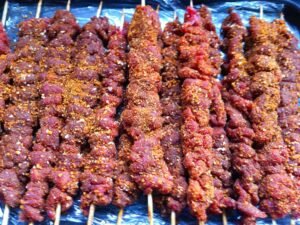
If there’s one street food in Nigeria that reigns supreme, it’s suya. Originating from the Hausa people of Northern Nigeria, suya is thinly sliced beef or chicken grilled over open flames and coated with a signature spice mix called yaji. The smoky, spicy flavor is unmatched, and it’s typically served with fresh onions, tomatoes, and sometimes cabbage wrapped in newspaper.
Eating suya is not just eating—it’s an experience. Suya spots usually open at night, making them a social hub for friends, lovers, and late-night adventurers.
2. Puff-Puff: Nigeria’s Sweet Little Balls
Soft, fluffy, and golden brown, puff-puff is Nigeria’s answer to doughnuts. Made from flour, sugar, yeast, and water, then deep-fried until fluffy inside and crisp outside, these little balls of joy are often sold in small roadside stalls. They’re cheap, addictive, and perfect for anyone with a sweet tooth.
Pro tip: They taste heavenly when paired with soft drinks or even suya. Yes, sweet and spicy is a real thing in Nigeria.
3. Boli: Roasted Plantain Goodness
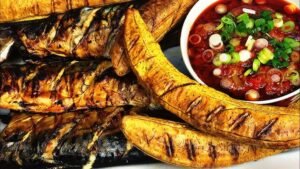
If suya is the king, boli (roasted plantain) is the queen. Boli vendors line Nigerian streets with their charcoal grills, roasting plantains to perfection. Depending on preference, you can have it soft and sweet or firm and savory. It’s often enjoyed with groundnut (peanuts) or spicy pepper sauce.
There’s a saying in Nigeria: “Once you taste boli with groundnut, you’ll never look back.” Trust me, it’s true.
4. Akara: The Morning Favorite
Akara, or fried bean cakes, are a breakfast staple turned street delight. Made from peeled beans blended with onions, pepper, and seasoning, then deep-fried until golden, akara is crispy outside and fluffy inside. Street vendors sell it in small portions, often paired with bread (called “akara burger” by Nigerians) or pap (fermented corn pudding).
For many Nigerians, no Saturday morning is complete without akara.
5. Moi Moi on the Go
Moi moi, a steamed bean pudding made from blended beans, onions, and spices, is another street food gem. While traditionally cooked in leaves at home, street vendors have mastered selling portable versions wrapped in foil. It’s healthy, filling, and goes well with rice, bread, or just on its own.
6. Roasted Corn and Pear
When corn season hits, roasted corn sellers pop up everywhere. The smoky corn is sold alongside African pear (ube), which is roasted or softened in hot water. Together, they form one of the simplest yet most beloved street food pairings in Nigeria.
7. Kilishi: The Nigerian Beef Jerky
Think of kilishi as suya’s dry cousin. It’s thin slices of beef marinated in spices and sun-dried before being grilled. Portable, chewy, and long-lasting, kilishi is the go-to street snack for travelers and road trips.
8. Shawarma: Nigeria’s International Street Food Star
Though originally Middle Eastern, Nigeria has given shawarma its own unique twist. It’s made with chicken or beef, veggies, sausage, and lots of mayo or spicy sauce, all rolled into flatbread. Nigerian shawarma is street food at its finest, blending foreign flavors with local flair.
The Adventure of Buying Street Food
Part of the fun of enjoying street food in Nigeria is the buying process itself. It’s rarely a quick in-and-out transaction. Vendors shout out their menus, bargain-loving Nigerians negotiate prices, and there’s always some friendly banter.
- At a suya stand, you might argue over how much pepper is “enough.”
- At a puff-puff stall, you’ll probably beg the vendor to “add one more” for free.
- At a boli joint, you’ll stand by the fire, making sure your plantain isn’t too burnt.
This back-and-forth isn’t just about food—it’s a slice of Nigerian humor, negotiation skills, and social bonding rolled into one.
Hygiene Concerns: Should You Worry?
One of the big questions tourists often ask is: Is street food in Nigeria safe? The answer is: it depends. Most vendors operate with years of experience, but hygiene standards can vary. Here are some tips:
- Go where the crowd goes; a busy stall usually means fresh food.
- Watch how the food is handled and served.
- Stick to grilled or fried items since high heat often kills germs.
- Carry bottled water to pair with your food.
With these precautions, you can enjoy the adventure without worry.
Street Food and Nigerian Nightlife
Street food in Nigeria truly comes alive at night. Whether you’re in Lagos, Abuja, or Port Harcourt, you’ll notice that the real action starts after dark. Suya spots, shawarma stands, and roasted corn vendors thrive when the sun sets.
In fact, nightlife in Nigeria is almost incomplete without street food. Imagine leaving a music concert, sweaty and tired, then stopping at a suya stand with your friends. That’s the true Nigerian experience—food, music, and memories.
The Economics of Street Food in Nigeria
Street food is not just about feeding people; it’s about survival and opportunity. Thousands of Nigerians, especially women, earn their livelihood from selling akara, puff-puff, or boli by the roadside. For many families, street food sales fund school fees, rent, and medical bills.
It also provides affordable meals for millions who can’t afford expensive restaurants. In many ways, street food is the unsung hero of Nigeria’s food economy.
Why Street Food in Nigeria is a Must-Try for Tourists
If you’re visiting Nigeria, skipping street food is like visiting Italy and ignoring pasta. Street food is how you taste the real Nigeria. Fancy hotels and restaurants may give you polished versions, but the streets give you authenticity—bold flavors, smoky grills, and spicy sauces that pack a punch.
It’s also one of the easiest ways to interact with locals. Strike up a conversation while waiting for your boli, and you’ll likely leave with not just food but also a story.
Final Thoughts: Embark on Your Own Delicious Adventure
Street food in Nigeria is more than what meets the eye—or tongue. It’s flavor, culture, community, economy, and adventure rolled into one. From the smoky suya stands to the sweet puff-puff stalls, each bite brings you closer to the heart of Nigeria.
So, next time you hear someone say street food in Nigeria, don’t just think of snacks. Think of adventure. Think of flavor explosions. Think of memories waiting to be made. And most importantly, don’t leave Nigeria without tasting it all—you’ll regret it if you do!

Welcome to my world! 🌟 I’m Clare, the proud founder of lovemeandtour.com website. I’m passionate about connecting people and helping them find love. Join me on this exciting journey and let’s spread love together! 🌟 #LoveMe #Travel #Passionate