






Food as a Journey
Have you ever traveled somewhere and felt like you only scratched the surface because you didn’t try the food? Well, in Nigeria, food isn’t just a meal—it’s an invitation into the culture, the history, and the heart of the people.
That’s why “Cooking Nigerian Dishes: A Tourism Experience” is gaining attention worldwide. Visitors don’t just come for the beaches, festivals, or wildlife; they come to roll up their sleeves, tie a wrapper around their waist, and learn how to cook the same jollof rice, egusi soup, or suya that Nigerians proudly boast about.
In this blog post, we’ll explore why cooking Nigerian dishes has become an integral part of cultural tourism, how travelers engage in culinary adventures, and the unforgettable experiences that come with stirring pots of steaming soups or pounding yam in a local kitchen.
Contents
- 1 Why Food Matters in Nigerian Tourism
- 2 Cooking Classes for Tourists: The New Trend
- 3 Signature Nigerian Dishes Tourists Love to Cook
- 4 Market Tours: Where the Cooking Experience Begins
- 5 Cooking as Storytelling
- 6 The Social Side of Cooking Nigerian Dishes
- 7 Food Tourism Festivals and Cooking Competitions
- 8 Challenges Tourists Face When Cooking Nigerian Dishes
- 9 Why Cooking Nigerian Dishes is a Must for Travelers
Why Food Matters in Nigerian Tourism
When people talk about Nigerian tourism, they often mention Nollywood, music, and festivals. But increasingly, food is entering the conversation. Food is memory. It’s connection. And Nigerian cuisine is one of the richest in Africa because it combines variety, spice, and tradition.
- Nigeria has over 250 ethnic groups, each with its own unique food culture.
- The dishes aren’t just about taste; they tell stories of farming, festivals, and family.
- Food tourism in Nigeria gives travelers a chance to connect directly with locals—not as spectators but as participants.
Imagine learning how to wrap moin-moin in fresh leaves or grilling fish at a smoky roadside joint. This is more than just eating; it’s cultural immersion.
Cooking Classes for Tourists: The New Trend
Across Nigerian cities like Lagos, Abuja, Port Harcourt, and even smaller cultural hubs like Calabar, local chefs and food enthusiasts are hosting cooking classes for visitors. These classes are interactive and fun—you don’t just watch, you cook.
In a typical Nigerian cooking class, a tourist might:
- Visit a local market to buy fresh pepper, tomatoes, and palm oil.
- Learn about indigenous spices like uziza, uda, and ehuru.
- Cook side by side with Nigerians who share family recipes passed down through generations.
- Sit down to eat the meal with the community after the cooking session.
The laughter, the mistakes (like when someone confuses ata rodo with a mild pepper), and the final tasting make the entire process a memory.
Signature Nigerian Dishes Tourists Love to Cook
When it comes to “Cooking Nigerian Dishes: A Tourism Experience,” some meals always make the top of the list. These dishes are not only delicious but are also cultural icons.
Jollof Rice
This is non-negotiable. Nigeria’s pride and joy, the dish that sparks friendly rivalry with Ghana. Tourists love cooking jollof rice because it’s vibrant, flavorful, and festive. They get to learn the art of balancing tomatoes, peppers, spices, and seasoning cubes to perfection. The first taste of smoky, party-style jollof is always unforgettable.
Egusi Soup
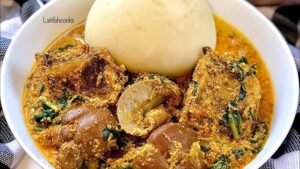
Made from melon seeds, spinach (or bitterleaf), and assorted meat, egusi soup is often paired with pounded yam. Tourists are always amazed at how labor-intensive the preparation is—roasting, grinding, pounding, and stirring until the thick, fragrant soup emerges. It’s a dish that teaches patience, but the reward is worth it.
Suya
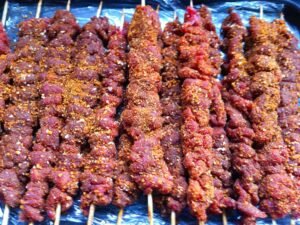
Street food at its best. Thinly sliced beef marinated with yaji spice (a peanut-based pepper mix), roasted on skewers, and served with onions and pepper sauce. Tourists often say cooking suya feels like a Nigerian barbecue experience—with an extra kick of heat.
Akara and Pap
For breakfast cooking experiences, akara (bean cakes) with pap (fermented corn pudding) is a hit. The process of peeling beans, grinding them into a smooth paste, and frying until golden brown makes tourists feel like they’ve learned an ancient culinary craft.
Boli and Fish
Grilled plantain with peppered fish is another exciting dish. It’s simple, smoky, and deeply satisfying. Tourists often say this one feels like a fun street food project.
Market Tours: Where the Cooking Experience Begins
You can’t talk about cooking Nigerian dishes without mentioning the local markets. For many tourists, the chaos and color of Nigerian markets are experiences on their own.
Imagine a foreign visitor navigating Balogun Market in Lagos or Mile 1 Market in Port Harcourt. Everywhere is alive—women shouting prices, traders pounding yam flour, and heaps of peppers in every shade of red. Guides often take tourists through these markets before cooking classes, teaching them how to haggle and identify fresh ingredients.
Markets become classrooms where travelers learn that Nigerian food isn’t about fancy supermarkets—it’s about freshness, bargaining, and community exchange.
Cooking as Storytelling
Every Nigerian dish tells a story. Food is tied to history, celebrations, and even survival. For example:
- Jollof rice is linked to West African history and trade routes.
- Ofada rice and sauce reflect the Yoruba celebration culture.
- Nsala soup is traditionally served to new mothers among the Igbo.
By learning to cook these dishes, tourists don’t just learn techniques; they gain insights into Nigerian traditions and values. It turns cooking into storytelling.
The Social Side of Cooking Nigerian Dishes
One thing about cooking Nigerian dishes is that it’s rarely a solo act. It’s communal. You chop onions while someone stirs, another person pounds yam, and everyone shares jokes around the fire.
Tourists quickly realize that the Nigerian kitchen is not a quiet place. There’s music, banter, and sometimes debates about which pepper is hotter. For travelers, this social aspect makes cooking Nigerian food an unforgettable tourism experience. It’s not just about the meal—it’s about bonding.
Food Tourism Festivals and Cooking Competitions
Beyond private classes, Nigeria hosts several food festivals that double as tourism magnets. At these events, tourists can join live cooking demos, taste regional specialties, and even compete in friendly cooking contests.
For example:
- The Lagos Food Festival often features cooking battles where tourists get paired with local chefs.
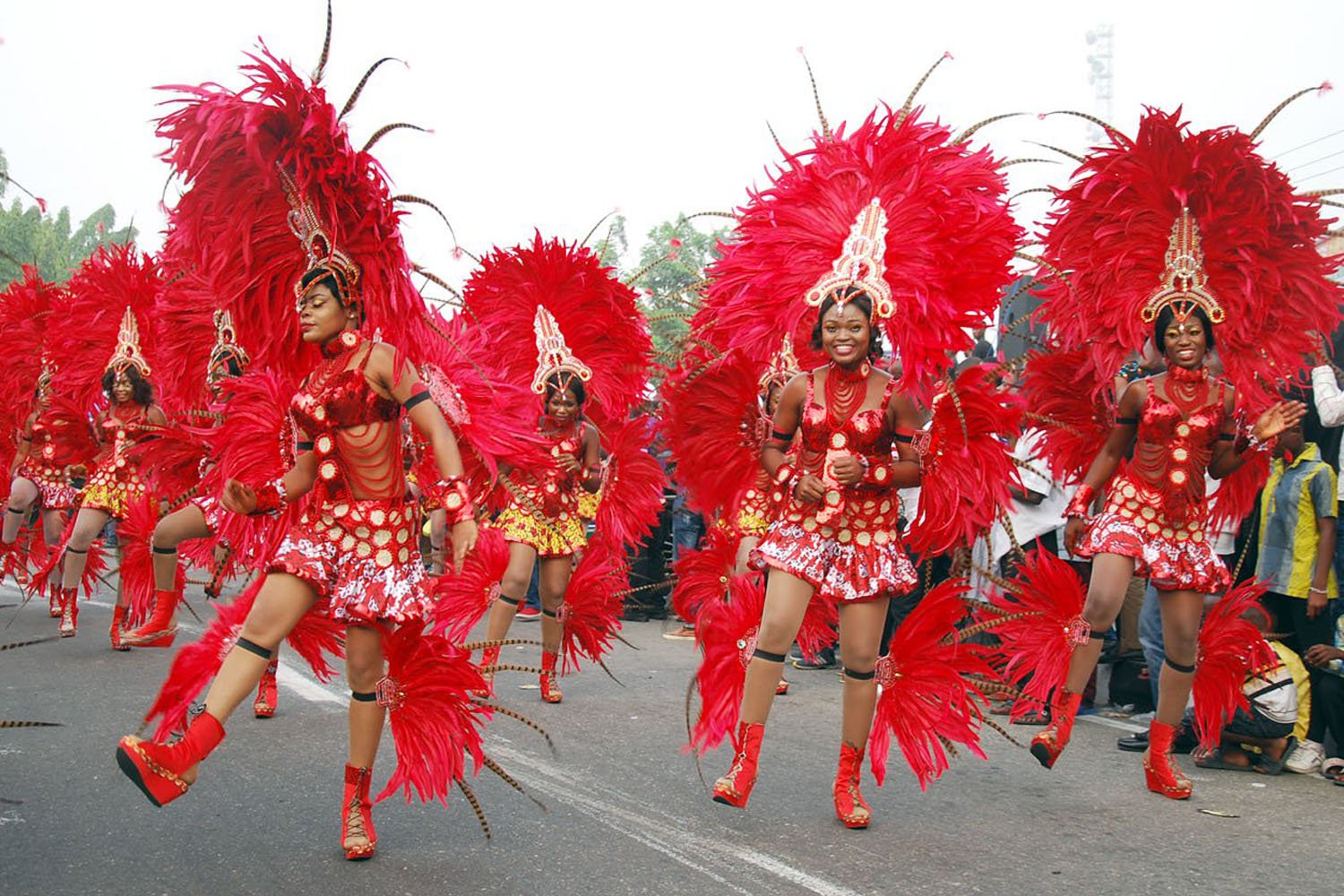
- The Calabar Carnival includes culinary exhibitions showcasing Efik delicacies.
- Street food festivals in Abuja highlight suya, asun, and pepper soup.
These festivals give visitors a taste of Nigeria’s diversity in one place while promoting “Cooking Nigerian Dishes: A Tourism Experience” as a full-fledged attraction.
Challenges Tourists Face When Cooking Nigerian Dishes
Of course, it’s not all smooth sailing. Cooking Nigerian dishes comes with its quirks:
- Spice Levels: Some tourists underestimate Nigerian pepper until they’re sweating and reaching for water.
- Ingredient Names: Locally, tomatoes can be described in different ways (plum, paste, fresh, tin), which sometimes confuses learners.
- Cooking Time: Nigerian meals are not “fast food.” Dishes like beans or soups can take hours, which surprises travelers used to instant meals.
But these challenges often become part of the adventure. The laughter that follows a pepper mishap is just as memorable as the meal itself.
Why Cooking Nigerian Dishes is a Must for Travelers
So, why should cooking Nigerian dishes be on every traveler’s itinerary?
- It transforms you from a tourist to a participant in Nigerian life.
- It’s a hands-on way to understand culture beyond sightseeing.
- You create memories that last longer than photographs.
- You return home not just with souvenirs but with skills you can share with friends and family.
In short, cooking Nigerian dishes turns tourism into a full sensory experience—sight, sound, smell, taste, and touch.
Conclusion: The Kitchen as a Tourist Destination
When you think of tourism, you might picture museums, waterfalls, or wildlife safaris. But in Nigeria, the kitchen is also a tourist destination. “Cooking Nigerian Dishes: A Tourism Experience” shows us that the best way to know a place is not just to see it but to taste it, cook it, and share it.
For travelers seeking authenticity, Nigerian cooking experiences offer something deeper than sightseeing. They offer belonging. And for Nigeria, it’s a chance to showcase its culture in the most delicious way possible.
So, next time you pack your bags for Nigeria, leave space in your heart (and your stomach) for a cooking tour. Who knows? You might return home as the unofficial jollof rice ambassador in your country.

Welcome to my world! 🌟 I’m Clare, the proud founder of lovemeandtour.com website. I’m passionate about connecting people and helping them find love. Join me on this exciting journey and let’s spread love together! 🌟 #LoveMe #Travel #Passionate