


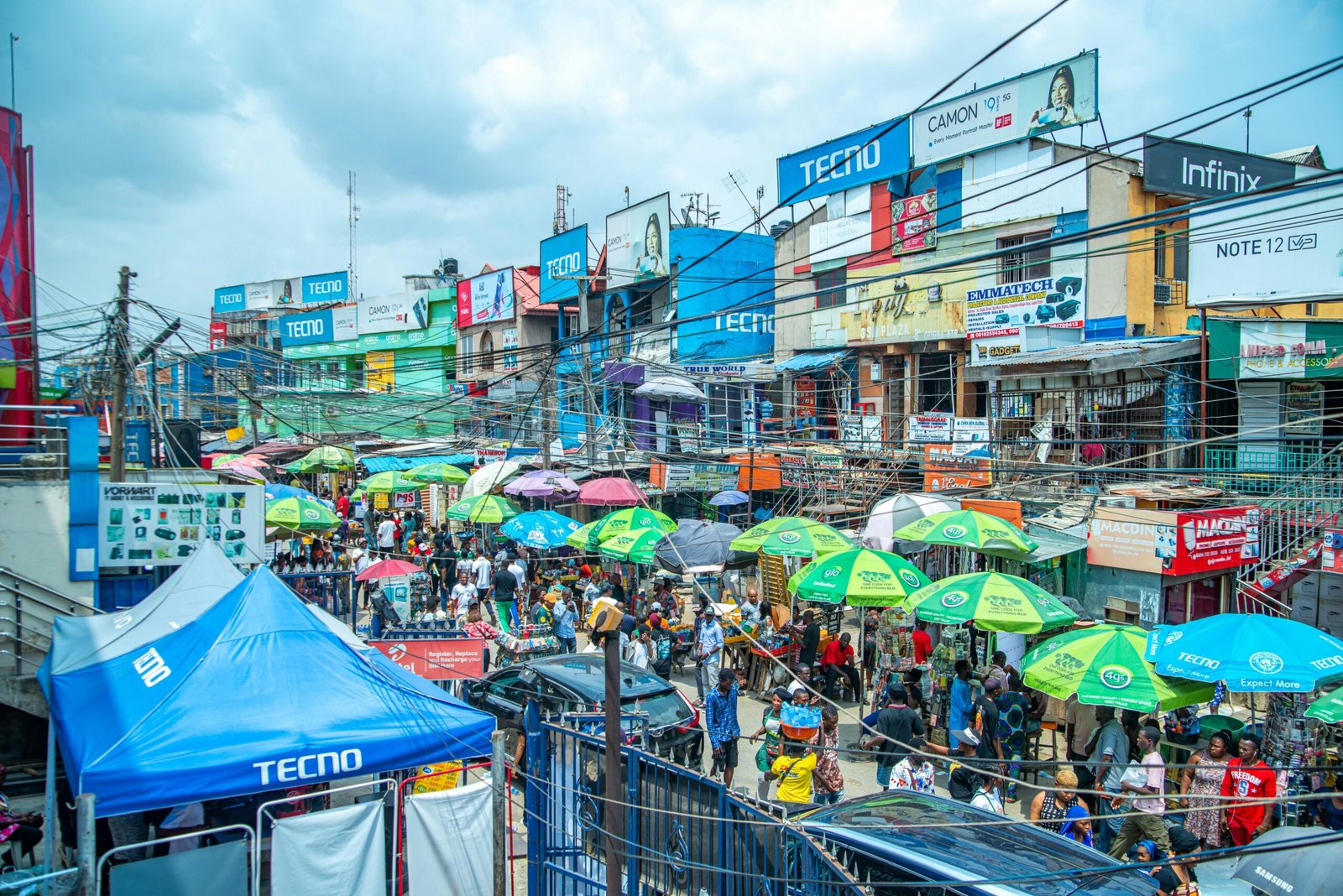



Why Food Markets Are the Heart of Culinary Tourism in Nigeria
If you want to truly understand a country, you don’t start with the museums or monuments—you start with the food. And in Nigeria, food isn’t just about eating; it’s about storytelling, history, and culture, all served on a sizzling hot plate. When people talk about culinary tourism in Nigeria, the conversation often drifts to fancy restaurants or street food vendors.
But the true magic lies in the bustling food markets scattered across the country. These markets are not just places to buy yam, peppers, or palm oil—they are living, breathing theaters of Nigerian culture.
Imagine the aroma of freshly smoked fish wafting through the air, the chatter of sellers haggling in different dialects, baskets overflowing with tomatoes redder than your lipstick, and the occasional splash from a fisherman showing off his fresh catch. Food markets in Nigeria are chaotic, colorful, and endlessly fascinating. They are the pulse of the nation’s cuisine and a must-visit for anyone keen on diving into culinary tourism.
So, let’s take a delicious journey through some of Nigeria’s most famous food markets, explore why they matter, and uncover what makes them unforgettable for both locals and tourists alike.
Contents
The Role of Food Markets in Nigerian Culinary Tourism
Before we dive into the specifics, let’s address a big question: why should tourists care about food markets in Nigeria? Well, here are a few reasons:
- Cultural Immersion: Food markets offer a raw, unfiltered look at Nigerian life. Forget staged cultural shows—this is the real deal.
- Diversity of Flavors: Nigeria is home to over 250 ethnic groups, and food markets showcase this diversity in full swing, from Yoruba peppers to Hausa spices.
- Authenticity: You don’t just eat Nigerian food—you experience it. Food markets allow you to see where the food comes from, how it’s prepared, and even taste it fresh.
- Budget Friendly: Unlike fine dining, food markets let you indulge in Nigeria’s culinary richness without breaking the bank.
In short, culinary tourism in Nigeria would be incomplete without exploring its food markets.
Must-Visit Food Markets in Nigeria
1. Mile 12 Market – Lagos
Welcome to the king of Nigerian food markets. Mile 12 in Lagos is the ultimate hub for fresh produce, and if you’re a foodie, this place is paradise. The market is famous for its dizzying array of peppers—atarodo, tatashe, rodo—you name it. In fact, if Lagos had a national color, it would probably be the fiery red of Mile 12’s peppers.
Aside from peppers, Mile 12 is a treasure chest of fruits, vegetables, grains, and spices. Farmers from across Nigeria (and even neighboring countries like Benin and Niger) bring their produce here. For the tourist exploring culinary tourism in Nigeria, Mile 12 offers the chance to see the sheer scale of food trade in West Africa. It’s noisy, it’s busy, and yes, you’ll sweat a lot—but the experience is unforgettable.
Pro Tip: Wear comfortable shoes, go with a local guide, and keep your bargaining skills sharp.
2. Bodija Market – Ibadan
Bodija Market in Ibadan is not just a market; it’s an institution. Known as one of the largest food markets in West Africa, Bodija is a feast for the senses. Think giant mounds of yam, heaps of smoked fish stacked like towers, and rows of spices so aromatic they’ll make your nose tingle.
This market is particularly famous for its supply of grains, meat, and fresh vegetables. For anyone exploring culinary tourism in Nigeria, Bodija is the place to understand Yoruba cuisine in its raw form. You’ll find ingredients for local delicacies like amala, ewedu, gbegiri, and ogufe (goat meat pepper soup).
3. Dawanau Market – Kano
If Mile 12 is the pepper king, then Dawanau Market in Kano is the undisputed emperor of grains. Known as the largest grain market in West Africa, Dawanau is where food traders from across Africa converge to buy and sell maize, millet, sorghum, rice, and beans.
What makes Dawanau special is not just the volume but the cultural exchange that happens there. Hausa traders sit alongside their counterparts from Chad, Niger, and beyond, haggling in a mix of languages and sharing age-old food traditions. For a tourist, this market is a window into Northern Nigerian food culture and hospitality.
4. Oil Mill Market – Port Harcourt
Now, let’s talk about something oily but absolutely essential: palm oil. Oil Mill Market in Port Harcourt is the heart of palm oil trade in the Niger Delta. Every Wednesday, the market bursts into life as traders pour in from villages and towns, carrying gallons of freshly pressed palm oil.
For culinary tourists, this market is gold because palm oil is the lifeblood of many Nigerian dishes—think banga soup, edikaikong, or nsala. Beyond palm oil, you’ll find vegetables, spices, and fish that define the cuisine of the South-South region.
5. Oyingbo Market – Lagos
If you want a blend of old-world chaos and modern upgrades, Oyingbo Market in Lagos is your stop. Recently renovated, it offers a mix of traditional open stalls and organized spaces. You can buy anything here—from fresh fish and goat meat to exotic spices and imported goods.
Tourists exploring culinary tourism in Nigeria will love Oyingbo for its accessibility (it’s centrally located) and variety. It’s the kind of place where you can spend hours just observing the theater of daily life while munching on roasted plantain bought right outside the gate.
6. Onitsha Main Market – Anambra
Though known primarily as a commercial hub, Onitsha Main Market also has a robust food section. This is where you see the blend of commerce and cuisine. Traders sell garri, yam, stockfish, and egusi seeds in bulk, which means you’ll get to understand how food fuels not just bellies but also economies.
Street Food Meets Market Life
Markets in Nigeria aren’t just about raw ingredients—they’re also street food heavens. Picture yourself snacking on hot puff-puff, spicy suya, or roasted corn as you wander the aisles. In many cases, the street food around these markets is as iconic as the markets themselves.
Culinary Tourism Tips for Exploring Nigerian Food Markets
- Go with a Local: A guide helps you navigate language barriers and avoid tourist pricing.
- Cash Is King: Don’t rely on POS machines or transfers—carry cash.
- Dress Light: Nigerian markets are hot, crowded, and lively. Dress for comfort, not fashion.
- Be Adventurous: Don’t shy away from trying something new, whether it’s snail stew or bitter leaf.
Why Culinary Tourists Fall in Love with Nigerian Markets
Food markets are where you experience Nigeria at its most authentic. You see the farmer’s sweat, the trader’s hustle, the cook’s creativity, and the eater’s joy—all in one place. Unlike a restaurant where the menu is curated, markets offer raw diversity, giving culinary tourists a chance to taste, touch, smell, and bargain their way through Nigerian food culture.
Culinary tourism in Nigeria thrives because of these markets. They connect the farm to the pot, the culture to the tourist, and the flavors to the memory.
Conclusion: Your Next Culinary Adventure Awaits
When you think of Nigeria, think beyond jollof rice or suya (as amazing as they are). Think of the sprawling food markets where these ingredients begin their journey. Whether you’re weaving through the pepper pyramids of Mile 12, the yam hills of Bodija, or the palm oil rivers of Oil Mill, each market offers a story, a flavor, and a memory.
So, pack your curiosity, sharpen your bargaining skills, and dive headfirst into the heart of culinary tourism in Nigeria. Trust me, your taste buds will thank you, and your Instagram feed will never look the same again.

Welcome to my world! 🌟 I’m Clare, the proud founder of lovemeandtour.com website. I’m passionate about connecting people and helping them find love. Join me on this exciting journey and let’s spread love together! 🌟 #LoveMe #Travel #Passionate