
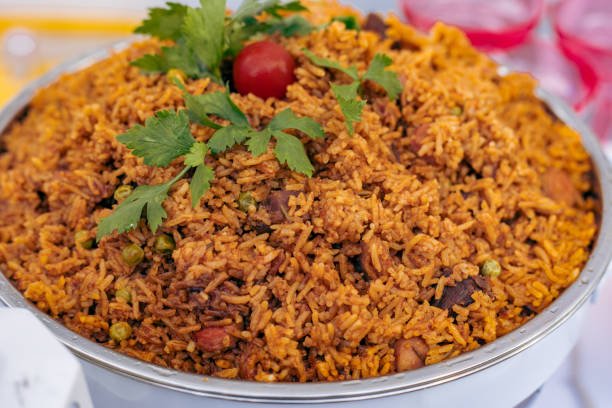



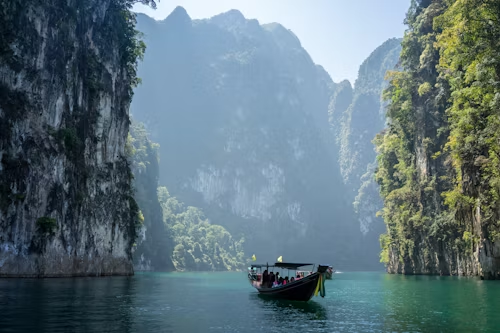


Food is more than nourishment. It is identity, history, geography, and tradition served on a plate. When you combine food with travel, you unlock one of the most immersive ways to experience the world. Food and travel are closely connected.
For Nigerian travelers, culinary tourism is especially meaningful. Nigeria has one of the most diverse and flavorful food cultures in Africa. From smoky suya to richly spiced soups and layered rice dishes, we understand complexity, seasoning, and communal dining. That foundation makes exploring global cuisine both exciting and educational.
If your passport is ready and your taste buds are curious, this comprehensive guide will help you plan smarter, eat responsibly, and travel confidently.
Contents
- 1 Why Culinary Travel Matters
- 2 Top Food and Travel Destinations to Explore
- 3 How to Plan a Food-Focused Trip
- 4 Budgeting for Culinary Travel
- 5 Cultural Etiquette and Dining Behavior
- 6 Expanding Beyond Eating
- 7 Preparing as a Nigerian Traveler
- 8 The Personal Growth Aspect of Food Travel
- 9 Common Challenges and How to Handle Them
Why Culinary Travel Matters
Culinary tourism is not simply about eating at famous restaurants. It is about understanding how food reflects a country’s environment, trade routes, religion, and social structure.
For example:
-
Coastal countries often emphasize seafood.
-
Agricultural regions highlight seasonal vegetables and grains.
-
Countries influenced by migration often showcase fusion cuisine.
When you travel for food, you begin to notice patterns. You see how spices move across continents. You observe how colonial history shaped ingredients. You learn how communities gather around meals in ways that may feel surprisingly familiar.
For Nigerian travelers, this perspective often strengthens appreciation for local cuisine at home. Experiencing global flavors does not replace Nigerian food culture; it deepens your understanding of it.
Top Food and Travel Destinations to Explore
Below are globally respected food destinations with established tourism systems and rich culinary traditions.
🇮🇹 Italy
Italy’s food culture is built on simplicity and high-quality ingredients. Olive oil, tomatoes, wheat, cheese, and wine form the foundation of many dishes.
Each region has its own specialty:
-
Rome is known for pasta dishes like carbonara and cacio e pepe.
-
Florence emphasizes grilled meats and rustic breads.
-
Bologna is famous for rich meat sauces.
Italian cuisine demonstrates that food does not need excessive seasoning to be flavorful. Balance and freshness are key principles.
For travelers, Italy also offers:
-
Food markets
-
Wine tours
-
Cooking classes
-
Farm-to-table experiences
🇹🇭 Thailand
Thailand is globally recognized for its balance of sweet, sour, salty, and spicy flavors.
Street food is central to Thai culture, particularly in Bangkok. Visitors will find noodle dishes, curries, grilled meats, tropical fruits, and herbal soups.
Important considerations:
-
Spice tolerance varies significantly.
-
Some dishes may contain peanuts or seafood.
-
Street food hygiene standards differ by vendor.
Thailand offers one of the most vibrant and affordable culinary tourism experiences in Asia.
🇯🇵 Japan
Japan treats food as both craft and ceremony. Precision, presentation, and seasonal ingredients are central to Japanese cuisine.
Beyond sushi, visitors can explore:
-
Ramen varieties unique to each region
-
Tempura and grilled skewers
-
Rice-based dishes
-
Traditional tea ceremonies
Dining etiquette is important in Japan. Respect for chefs and proper table manners enhance the experience.
Japan is ideal for travelers interested in culinary discipline and structured food culture.
🇲🇦 Morocco
Moroccan cuisine is aromatic and layered with spices such as cumin, cinnamon, saffron, and coriander.
Tagines (slow-cooked stews), couscous, and mint tea are staples. Food preparation is often communal and family-centered.
Markets in cities like Marrakech provide immersive sensory experiences, from spice stalls to fresh bread ovens.
Morocco is suitable for travelers interested in traditional cooking methods and North African food heritage.
🇿🇦 South Africa
South Africa’s cuisine reflects African, Dutch, Malay, and Indian influences.
Popular experiences include:
-
Braai (barbecue culture)
-
Biltong (dried meat)
-
Cape Malay curries
-
Regional wines
For Nigerian travelers, South Africa offers familiarity in certain ingredients while still presenting international diversity.
How to Plan a Food-Focused Trip
Culinary travel requires strategic planning. Here are practical steps to ensure a smooth experience.
1. Research Food Culture Before Arrival
Understand:
-
Staple ingredients
-
Typical meal times
-
Tipping customs
-
Dietary restrictions
Research reduces cultural misunderstandings and helps you navigate menus confidently.
2. Balance Fine Dining and Local Spots
High-end restaurants provide curated experiences, while local eateries often offer authenticity.
A balanced itinerary might include:
-
One signature restaurant reservation
-
Two market visits
-
Multiple neighborhood food stops
3. Prioritize Food Safety
Food exploration should not compromise health.
Key precautions:
-
Choose busy establishments.
-
Avoid raw foods where hygiene is uncertain.
-
Drink bottled or filtered water where recommended.
-
Carry prescribed medication if necessary.
Travel insurance is also advisable for international trips.
Budgeting for Culinary Travel
Food tourism can be expensive if not planned carefully.
To manage costs:
-
Set a daily food budget.
-
Allocate funds for specialty experiences.
-
Avoid impulse luxury dining every day.
-
Research average meal prices beforehand.
Many countries offer excellent street food at lower costs than restaurant dining.
Cultural Etiquette and Dining Behavior
Understanding dining etiquette improves your travel experience.
Examples:
-
In some Asian countries, loud chewing may be considered impolite.
-
In parts of Europe, meals are slower and more conversational.
-
In some cultures, finishing all food signals appreciation; in others, leaving a small portion is acceptable.
Observing locals provides valuable cues.
Expanding Beyond Eating
Food tourism can include educational experiences such as:
-
Cooking classes
-
Vineyard tours
-
Farm visits
-
Food history museums
-
Cultural festivals
These activities transform food from consumption into cultural engagement.
Preparing as a Nigerian Traveler
Nigerian passport holders should also consider:
-
Proof of accommodation
-
Return tickets
-
Proof of funds
-
Currency exchange planning
Immigration officers may request documentation. Being organized ensures smoother entry processes.
The Personal Growth Aspect of Food Travel
Culinary travel builds:
-
Cultural awareness
-
Adaptability
-
Confidence in unfamiliar environments
-
Communication skills
It also teaches patience. Some cultures take food preparation seriously and do not rush service.
Experiencing different dining rhythms can broaden perspective.
Common Challenges and How to Handle Them
Spice Differences
Not all countries season food heavily. Approach with openness rather than comparison.
Dietary Surprises
Learn key phrases such as:
-
“Does this contain nuts?”
-
“Is this vegetarian?”
-
“Is this spicy?”
Homesickness
Trying international cuisine may increase appreciation for home cooking. Consider recreating dishes when you return.
Final Thoughts
Food and travel form one of the most powerful combinations for cultural exploration. For Nigerian travelers, culinary tourism offers both contrast and connection.
By planning carefully, respecting local traditions, and practicing food safety awareness, you can turn every meal abroad into an educational experience.
The world’s cuisines are diverse, layered, and historically rich. Exploring them responsibly allows you to expand your palate while gaining deeper cultural insight.
Travel with preparation. Eat with curiosity. Respect every table you sit at.
Your next journey could begin with a single dish.

Welcome to my world! 🌟 I’m Clare, the proud founder of lovemeandtour.com website. I’m passionate about connecting people and helping them find love. Join me on this exciting journey and let’s spread love together! 🌟 #LoveMe #Travel #Passionate