




Some places in the world look impressive in photographs but feel ordinary in real life. The Pyramids of Giza are the exact opposite. No matter how many documentaries you watch or pictures you scroll through online, nothing prepares you for the moment you stand before these ancient giants rising from the Egyptian desert.
The scale is overwhelming. The silence of the desert feels almost spiritual. And then it hits you — these structures were already ancient when many civilizations we study today did not even exist yet.
For over 4,500 years, the Pyramids of Giza have survived wars, invasions, harsh desert winds, earthquakes, and centuries of human activity. They remain one of the greatest engineering achievements in human history and one of the most visited tourist attractions on earth.
For Nigerian travellers planning a trip to Egypt, the pyramids are not just another tourist site to tick off a bucket list. Visiting them is an experience that changes the way you think about history, architecture, and human capability.
Contents
- 1 Where Are the Pyramids of Giza Located?
- 2 The History Behind the Pyramids of Giza
- 3 The Great Pyramid of Khufu: The Most Famous of Them All
- 4 How Were the Pyramids Built?
- 5 The Great Sphinx: Egypt’s Silent Guardian
- 6 What Nigerian Tourists Should Expect When Visiting
- 7 Best Time to Visit the Pyramids of Giza
- 8 Entry Fees and Estimated Costs
- 9 How to Get Around Cairo
- 10 What to Wear When Visiting the Pyramids
- 11 Things to Do Beyond the Pyramids
- 12 Safety Tips for Nigerian Travellers
- 13 Interesting Facts About the Pyramids
- 14 Why the Pyramids of Giza Should Be on Your Bucket List
- 15 Frequently Asked Questions
- 16 Final Thoughts
Where Are the Pyramids of Giza Located?
The Pyramids of Giza are located on the Giza Plateau, just outside Cairo, the capital city of Egypt. The site sits on the western bank of the River Nile and is roughly 13 kilometres from central Cairo.
One of the most surprising things for first-time visitors is how close the pyramids are to the city. Many people imagine them standing in the middle of an endless desert far from civilization, but in reality, Cairo’s busy streets, hotels, restaurants, and residential areas are only minutes away.
For Nigerian tourists staying in Cairo, getting to the pyramids is relatively easy. Depending on traffic, the journey from downtown Cairo usually takes between 30 minutes and one hour.
Recommended: Tokyo Tower: Japan’s Red-and-White Giant That Refuses to Be Ignored
The History Behind the Pyramids of Giza
The Pyramids of Giza were built during Egypt’s Fourth Dynasty, around 2600 BC to 2500 BC. They served as royal tombs for powerful pharaohs who believed they would continue their journey in the afterlife.
Ancient Egyptians viewed their kings as divine rulers connected to the gods. Because of this belief, enormous effort and resources were dedicated to building burial structures that would preserve the pharaohs for eternity.
The three major pyramids at Giza include:
- The Great Pyramid of Khufu (also called Cheops)
- The Pyramid of Khafre
- The Pyramid of Menkaure
These pyramids were built for different rulers within the same royal family and formed part of a larger complex that included temples, burial chambers, ceremonial pathways, and smaller pyramids for queens and royal relatives.
For centuries, historians believed slaves built the pyramids. Modern archaeological discoveries, however, suggest otherwise. Excavations uncovered workers’ villages, tools, bakeries, and burial sites that showed the builders were skilled labourers who received food, shelter, and medical care. Many historians now believe these workers were respected craftsmen and seasonal labourers rather than slaves.
Recommended: Into the Sands: The Ultimate Guide to the Sahara Desert
The Great Pyramid of Khufu: The Most Famous of Them All
The Great Pyramid is the oldest and largest pyramid at Giza, and it remains one of the Seven Wonders of the Ancient World, still standing today.
Originally standing at about 146 metres tall, erosion and the loss of its outer casing stones have reduced its height slightly to around 138 metres. Even today, it remains an astonishing structure.
What makes this pyramid remarkable is not just its size but its precision. The structure is aligned almost perfectly with the cardinal directions: north, south, east, and west. Considering it was built thousands of years before modern technology, this level of accuracy continues to amaze engineers and architects worldwide.
The pyramid contains millions of limestone blocks, some weighing several tons each. Many visitors spend hours simply staring at the structure, trying to imagine how ancient builders transported and stacked these enormous stones without cranes or advanced machinery.
Recommended: Mount Kilimanjaro: The Best Way to Conquer the Roof of Africa
How Were the Pyramids Built?
This question continues to fascinate historians and scientists today.
Ancient Egyptians did not have modern construction equipment, yet they created structures that have survived for millennia. Several theories attempt to explain the construction process.
The most accepted theory suggests workers used massive ramps made from mud bricks, limestone, and sand to drag stone blocks into position. Archaeologists also believe water may have been poured onto sand to reduce friction and make transportation easier.
Some theories suggest complex internal ramp systems may have existed inside the pyramids during construction. Others focus on the advanced knowledge of mathematics and astronomy possessed by the Egyptians.
Then, of course, there are the popular alien theories. While entertaining, there is no scientific evidence supporting extraterrestrial involvement. The truth is simpler and perhaps even more impressive: ancient Egyptians were extraordinarily skilled engineers and builders.
Recommended: Victoria Falls Travel Guide for Nigerians: Costs, Planning, and What to Expect
The Great Sphinx: Egypt’s Silent Guardian
Right beside the pyramids stands another legendary monument: the Great Sphinx of Giza.
The Sphinx has the body of a lion and the head of a human, believed by many historians to represent Pharaoh Khafre. Stretching approximately 73 metres long and standing about 20 metres high, it is one of the largest monolithic statues ever carved.
The missing nose of the Sphinx has become one of history’s famous mysteries. Contrary to popular stories blaming Napoleon’s soldiers, evidence suggests the nose disappeared centuries before Napoleon arrived in Egypt.
Despite centuries of erosion and damage, the Sphinx remains one of the most powerful symbols of ancient Egypt.
What Nigerian Tourists Should Expect When Visiting
For many Nigerians visiting Egypt for the first time, the experience can feel both exciting and overwhelming. Cairo is energetic, busy, and filled with history around every corner.
At the pyramids, expect large crowds, especially during peak tourist seasons. You will encounter tour guides, camel ride operators, photographers, and souvenir sellers almost immediately upon arrival.
The environment is hot and dry for most of the year, so comfortable clothing and hydration are extremely important.
One thing many visitors notice immediately is the sheer size of the pyramids. Photos rarely capture their true scale. Standing at the base of the Great Pyramid makes you feel incredibly small.
You should also prepare for extensive walking. Exploring the Giza Plateau properly can take several hours, especially if you intend to enter some of the pyramids or visit nearby attractions.
Recommended: Niagara Falls: A Nigerian’s Guide to One of the Most Powerful Waterfalls on Earth
Best Time to Visit the Pyramids of Giza
The best period to visit Egypt is between October and April, when temperatures are cooler and more comfortable for sightseeing.
During summer, especially from June to August, temperatures in Cairo can become extremely intense, sometimes exceeding 40°C. Walking around the pyramids during midday heat can quickly become exhausting.
For the best experience:
- Visit early in the morning to avoid heat and large crowds
- Sunset hours also provide beautiful lighting for photography
- Avoid public holidays if you dislike heavy crowds
Winter months offer the most pleasant weather for Nigerian tourists unfamiliar with desert climates.
Recommended: The Great Wall of China: A Complete Travel Guide to History, Cost, and What to Expect
Entry Fees and Estimated Costs
Travel costs vary depending on travel season, airline, and personal spending habits. However, here is a rough estimate of what Nigerian travellers can expect in 2026.
Flight Costs from Nigeria to Egypt
A return flight from Lagos or Abuja to Cairo typically ranges between:
- ₦900,000 to ₦2.2 million depending on airline and booking period
Popular airlines include:
- Ethiopian Airlines
- EgyptAir
- Qatar Airways
- Turkish Airlines
Booking several weeks in advance often reduces costs significantly.
Pyramid Entry Costs
Approximate visitor fees include:
- General Giza Plateau access: around $15–$20
- Entry into the Great Pyramid: additional $20–$30
- Camel rides: usually $10–$30, depending on negotiation
- Tour guide services: $20–$50, depending on package
Always confirm prices before accepting services, especially camel rides and unofficial photography offers.
How to Get Around Cairo
Transportation in Cairo can initially feel chaotic, especially for first-time African visitors unfamiliar with the city’s traffic patterns.
Options include:
- Uber and Careem rides
- Private tour vehicles
- Hotel-arranged transportation
- Taxis
- Cairo Metro
For comfort and convenience, many Nigerian tourists prefer using Uber because fares are transparent and negotiation stress is reduced.
Recommended: Visiting the Maasai and Hadzabe Tribes of Tanzania: A Journey into Ancient Cultures
What to Wear When Visiting the Pyramids
Egypt is relatively conservative, though tourist areas are more relaxed.
Recommended items include:
- Lightweight breathable clothing
- Comfortable sneakers or walking shoes
- Sunglasses
- Sunscreen
- A hat or cap
- Portable water bottle
Women do not need to wear hijabs unless visiting religious sites such as mosques.
Things to Do Beyond the Pyramids
A trip to Giza becomes even more memorable when combined with other Egyptian attractions.
Explore the Egyptian Museum
The Egyptian Museum in Cairo contains thousands of ancient artifacts, including treasures from King Tutankhamun’s tomb.
Seeing the mummies, jewellery, statues, and ancient relics helps bring the pyramid’s history to life.
Take a Nile River Cruise
A cruise on the River Nile offers a relaxing contrast to the desert environment. Many cruises include dinner, music, and cultural performances.
Visit Khan El Khalili Market
This famous market is perfect for buying souvenirs, spices, perfumes, lamps, jewellery, and traditional Egyptian crafts.
Nigerians who enjoy bargaining in markets will feel surprisingly at home here.
Try Egyptian Food
Egyptian cuisine offers several dishes worth trying, including:
- Koshari
- Shawarma
- Falafel
- Grilled meats
- Baklava
- Fresh hibiscus tea
Many restaurants around Cairo also serve African and international meals.
Safety Tips for Nigerian Travellers
Egypt is generally safe for tourists, especially in major tourist zones like Giza and Cairo. Still, basic precautions are important.
- Avoid carrying large amounts of cash
- Use trusted transport services
- Stay alert in crowded areas
- Ignore aggressive touts politely
- Book tours through reputable companies
It is also wise to purchase travel insurance before departure.
Interesting Facts About the Pyramids
Several facts about the pyramids continue to amaze visitors:
- The Great Pyramid was the tallest man-made structure on earth for nearly 3,800 years
- It contains over 2 million stone blocks
- Some stones weigh more than 70 tons
- The pyramids were once covered in polished white limestone that reflected sunlight brilliantly
- The structures align closely with astronomical points
These details remind visitors that the pyramids were not random constructions. They reflected extraordinary planning, scientific understanding, and architectural skill.
Why the Pyramids of Giza Should Be on Your Bucket List
There are destinations you visit for relaxation, and there are destinations that leave a permanent mark on your memory. The Pyramids of Giza belong to the second category.
Standing before monuments built thousands of years ago forces you to think differently about time, civilization, and human ambition. These structures were created by people who refused to think small. Even after thousands of years, the world still studies and admires their work.
For Nigerian travellers interested in history, culture, photography, adventure, or simply experiencing one of the world’s greatest wonders, Egypt offers something unforgettable.
The pyramids are not just giant structures in the desert. They are proof that human creativity can outlive generations, empires, and even entire civilizations.
Frequently Asked Questions
Can Nigerians travel to Egypt easily?
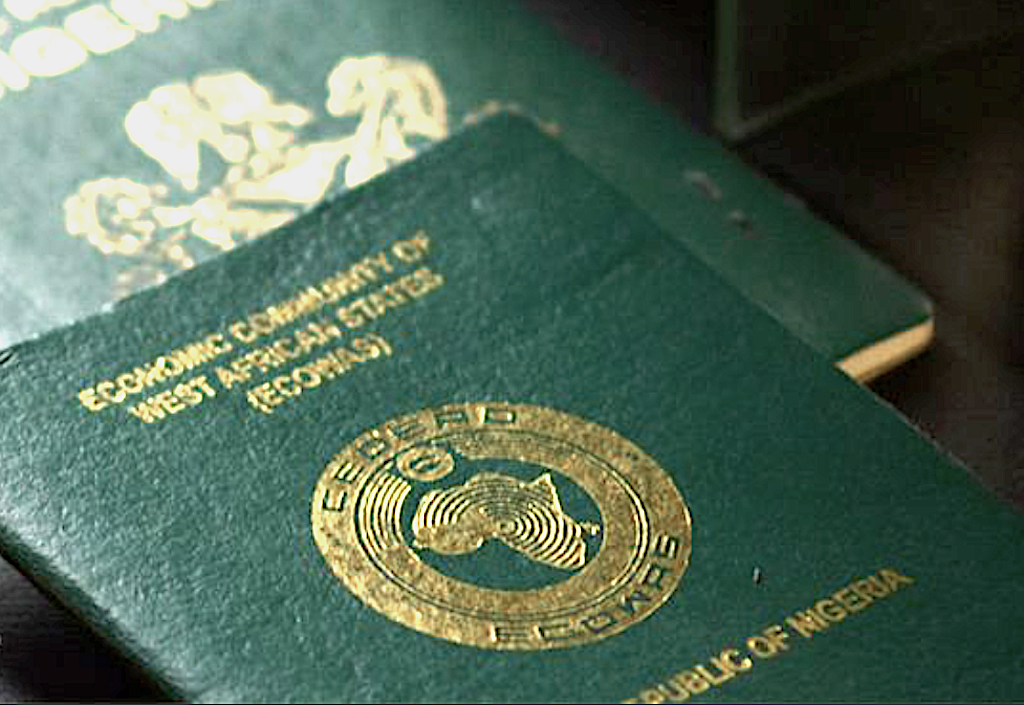
Yes. Nigerians can travel to Egypt, but a visa is required before departure. Applicants usually apply through the Egyptian Embassy in Nigeria. Requirements often include a valid passport, bank statement, hotel reservation, flight itinerary, and passport photographs.
How many days are enough for Cairo and the pyramids?
A minimum of 4 to 5 days is ideal. This gives you enough time to explore the pyramids, museums, markets, Nile cruises, and nearby attractions without rushing.
Is Egypt expensive for Nigerian tourists?
Egypt can be affordable compared to many European destinations. Costs depend largely on accommodation, flight prices, and travel style. Budget travellers can manage expenses carefully, while luxury travellers can spend significantly more.
Can you enter the pyramids?
Yes. Visitors can enter selected pyramids for an extra fee. However, the passageways are narrow and steep, so people with claustrophobia may find it uncomfortable.
Is riding a camel at the pyramids worth it?
For many tourists, yes. Camel rides provide beautiful photo opportunities and a more traditional desert experience. However, always negotiate prices beforehand.
What currency is used in Egypt?
Egypt uses the Egyptian Pound (EGP). However, US dollars are also widely accepted in tourist areas.
Final Thoughts
The Pyramids of Giza are one of those rare places that truly deserve their reputation. They are ancient, mysterious, beautiful, and deeply humbling.
Long before skyscrapers, smartphones, or modern engineering existed, people built monuments so extraordinary that the entire world still travels thousands of kilometres just to see them.
And when you finally stand there yourself, feeling the desert wind and staring up at stones that have survived over four millennia, you understand why the pyramids continue to captivate humanity.
Some destinations entertain you for a few days. The Pyramids of Giza stay with you for a lifetime.

Welcome to my world! 🌟 I’m Clare, the proud founder of lovemeandtour.com website. I’m passionate about connecting people and helping them find love. Join me on this exciting journey and let’s spread love together! 🌟 #LoveMe #Travel #Passionate