







If you’ve never visited Olumo Rock, then you are honestly missing out on one of Nigeria’s most iconic travel experiences. And if you have been there before, then you already know—it is not just a visit; it is a full-on adventure. From the moment you stand at the base of the rock and look up, there is always that one thought: “Am I really about to climb this?”
That mix of excitement, curiosity, and slight regret is all part of the experience.
Contents
- 1 A Brief History That Makes the Climb Worth It
- 2 The Climb: Easier Said Than Done
- 3 The View: Where Everything Comes Together
- 4 Things to Do Beyond the Climb
- 5 Food and Local Experience
- 6 Practical Tips for Visiting Olumo Rock
- 7 Frequently Asked Questions (FAQs)
- 7.1 1. How much does it cost to visit Olumo Rock?
- 7.2 2. Is Olumo Rock safe to visit?
- 7.3 3. Can children visit Olumo Rock?
- 7.4 4. How long does it take to explore Olumo Rock?
- 7.5 5. Is there an elevator at Olumo Rock?
- 7.6 6. What should I wear when visiting?
- 7.7 7. When is the best time to visit Olumo Rock?
- 7.8 Final Thoughts: Is Olumo Rock Worth It?
A Brief History That Makes the Climb Worth It
Located in Abeokuta, the name “Abeokuta” literally means “under the rock,” and this is not just a poetic phrase—it reflects history. Back in the 19th century, during inter-tribal wars, Olumo Rock served as a natural fortress for the Egba people. It provided shelter, protection, and a strategic vantage point to monitor approaching enemies.
Walking around the site today, you will still feel that deep connection to the past. The caves, narrow pathways, and ancient structures are not just tourist attractions—they are remnants of real lives once lived under pressure and survival. Local guides often bring these stories to life, sharing details about how families hid within the rock and how it became a symbol of resilience and identity.
See also: Visiting the Sacred Osun-Osogbo Grove: A Journey into Spirituality, Culture, and History
The Climb: Easier Said Than Done
Let’s be honest—the climb is where the real story begins. You may hear people say, “It’s not that high,” but that depends on your fitness level and honesty with yourself. The experience is designed to accommodate different types of visitors, so you have two main options.
The traditional route is for those who want the full adventure. This involves climbing natural rock steps, passing through tight caves, and holding onto carved handholds. It is immersive, slightly challenging, and gives you a real sense of what the early settlers experienced.
For those who prefer comfort, there is a more modern option. The site now includes staircases and even an elevator system that reduces the physical strain. This option is perfect if you are more interested in the views and history than the workout.
Whichever route you choose, expect to spend about 1–2 hours exploring the rock fully. Entry fees are generally affordable, typically ranging between ₦1,000 and ₦2,000 for adults, with additional small fees for cameras or guided tours. Having a guide is highly recommended, as it adds depth to the experience.
Discover: A Family Trip to Nigeria: The Ultimate Adventure to 10 Fun Activities
The View: Where Everything Comes Together
Reaching the top of Olumo Rock is the moment everything clicks. Suddenly, the climb makes sense. From the summit, you get a panoramic view of Abeokuta—the rooftops, winding roads, distant hills, and the gentle flow of the Ogun River cutting through the city.
On a clear day, you can even spot historic landmarks scattered across the landscape, including old missionary buildings and community centers that played roles in Nigeria’s early development. The breeze at the top, combined with the silence and scenery, creates a calm, almost reflective atmosphere.
It is one of those views that forces you to pause, take pictures, and just appreciate where you are.
Things to Do Beyond the Climb
Olumo Rock is more than just a climb—it is a cultural and historical hub. As you explore the site, you will find several attractions that enrich the experience.
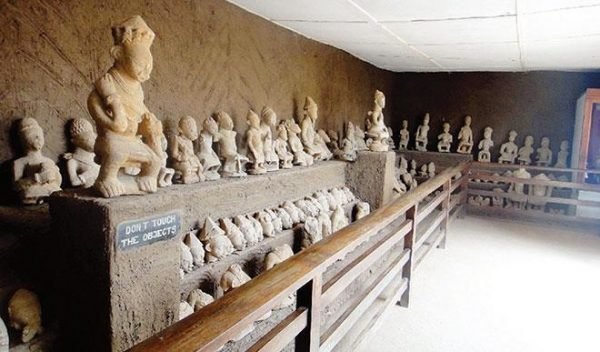
There are ancient caves that once served as hiding places during wars. Walking through them gives you a sense of how strategic and protective the rock truly was. There is also a small museum that showcases Yoruba history, traditional beliefs, and artifacts connected to the Egba people.
Art lovers will appreciate the presence of local artworks and craft displays, while the occasional talking drummer adds a vibrant cultural touch to your visit. These drummers are not just entertainers—they are storytellers, using rhythm to communicate history and tradition.
Food and Local Experience
No trip to Abeokuta is complete without indulging in local cuisine. After your climb, you will definitely have earned a good meal. One of the must-try dishes is Ofada rice, typically served with spicy ayamase (designer stew). The combination is rich, flavorful, and deeply satisfying.
You can find local spots around Abeokuta serving authentic meals at affordable prices, usually between ₦1,500 and ₦4,000, depending on the setting. Pair your meal with palm wine or a chilled drink, and you have the perfect way to end your adventure.
Practical Tips for Visiting Olumo Rock
Planning can make your visit smoother and more enjoyable. Wear comfortable shoes because even with modern facilities, there is still a fair amount of walking involved. Carry water, especially during the dry season, as the heat can be intense.
It is best to visit in the morning or late afternoon when the sun is less harsh. Weekdays are usually less crowded, while weekends and holidays can be busier with tourists and school groups.
Transportation from Lagos to Abeokuta is relatively easy, with travel time averaging 1.5 to 2.5 hours by road, depending on traffic. Budget between ₦5,000 and ₦15,000 for transportation if you are not driving yourself.
Frequently Asked Questions (FAQs)
1. How much does it cost to visit Olumo Rock?
Entry fees typically range from ₦1,000 to ₦2,000 per person. Additional costs may include tour guides, photography, and souvenirs.
2. Is Olumo Rock safe to visit?
Yes, Olumo Rock is generally safe for visitors. However, it is advisable to follow instructions from guides and be cautious while climbing.
3. Can children visit Olumo Rock?
Yes, children can visit, especially with the availability of stairs and elevators. However, supervision is important, particularly around steep or narrow areas.
4. How long does it take to explore Olumo Rock?
Most visitors spend between 1 to 2 hours exploring the site, including climbing, sightseeing, and taking photos.
5. Is there an elevator at Olumo Rock?
Yes, there is an elevator option for visitors who prefer not to climb the rock manually.
6. What should I wear when visiting?
Wear comfortable clothing and sturdy shoes suitable for walking and climbing. Light clothing is recommended due to the weather.
7. When is the best time to visit Olumo Rock?
The dry season (November to March) is ideal. Visiting in the morning or late afternoon is also more comfortable.
Final Thoughts: Is Olumo Rock Worth It?
Absolutely. Olumo Rock offers a unique blend of history, culture, adventure, and breathtaking scenery. It is one of those destinations that appeals to everyone—history lovers, nature enthusiasts, casual tourists, and even first-time explorers.
The experience is not just about climbing a rock; it is about connecting with a piece of Nigeria’s past while enjoying the beauty of the present.
So, whether you are planning a solo trip, a group outing, or even a quick weekend escape, Olumo Rock deserves a spot on your list. Just be prepared—you might start the climb questioning your decision, but you will end it wondering why you did not visit sooner.

Welcome to my world! 🌟 I’m Clare, the proud founder of lovemeandtour.com website. I’m passionate about connecting people and helping them find love. Join me on this exciting journey and let’s spread love together! 🌟 #LoveMe #Travel #Passionate